Hey there, fellow plant enthusiasts!
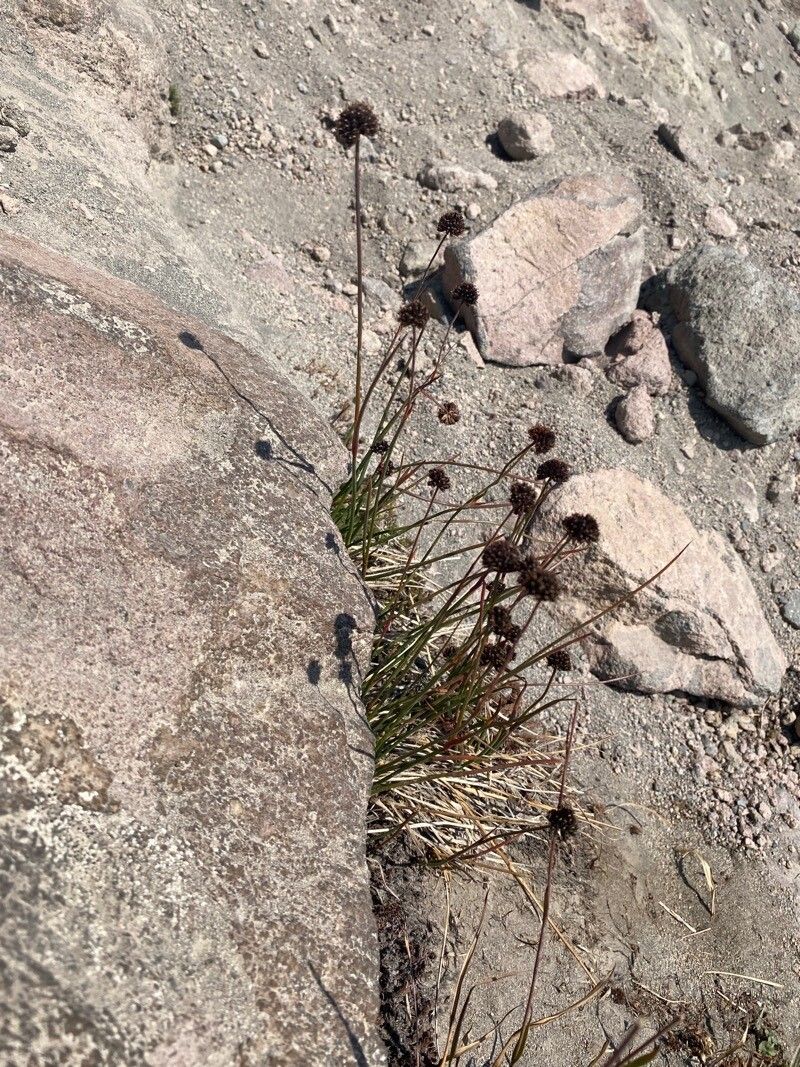
Pull up a chair, and let’s chat about a plant that’s really captured my heart over the years: Juncus mertensianus, or Mertens’ rush. It’s such a graceful, architectural addition to any garden, especially damp areas or water features. Its upright, grassy foliage adds a wonderful texture, and the little bronzy flowers are a subtle, beautiful touch. Best of all? Propagating it is surprisingly rewarding, and I’d call it a moderately easy project, even for those of you just dipping your toes into plant propagation.
The Best Time to Start
For Juncus mertensianus, I’ve found the late spring to early summer is when you’ll have the most success. The plant is really hitting its stride then, full of vigor, and the warmer temperatures really encourage root development. Look for healthy, active growth – that’s your cue!
Supplies You’ll Need
Gathering your supplies beforehand makes the whole process smoother. Here’s what I usually have on hand:
- Sharp, clean pruning shears or a knife: For making clean cuts.
- Well-draining potting mix: I like a 50/50 blend of perlite and a good quality potting soil. This is crucial for preventing the dreaded damp-off.
- Small pots or trays: Whatever you have handy that will hold your cuttings.
- Rooting hormone (optional but helpful): A powdered or gel form can give your cuttings a nice boost.
- Watering can or spray bottle: For gentle watering.
- Labels: Don’t forget to label your creations!
Propagation Methods
Juncus mertensianus is most commonly propagated by division, and it’s a very straightforward method. You’re essentially taking a mature plant and splitting it into smaller, independent plants.
- Dig it Up: Gently excavate your existing Juncus mertensianus plant. I like to do this after a good watering, as the soil will be looser.
- Locate Growth Points: Once the plant is out of the ground, you’ll want to look for where new shoots are emerging from the base. These are your division points.
- Divide: Using your hands or a sharp tool, carefully separate the root ball into smaller sections. Each section should have a healthy clump of roots and at least a few leafy shoots. Don’t be afraid to get a little firm with it, but avoid tearing the roots unnecessarily.
- Pot Them Up: Plant each division into its own pot filled with your prepared potting mix. Make sure the crown of the plant (where the shoots meet the roots) is just at the surface of the soil.
- Water Gently: Give your newly potted divisions a gentle watering to settle the soil around the roots.
The “Secret Sauce” (Pro Tips)
Here are a few little tricks I’ve picked up along the way that can really make a difference:
- Don’t Overwater After Division: While Juncus mertensianus likes moisture, freshly divided plants can be prone to rot if the soil stays soggy. Let the surface of the soil dry out slightly between waterings. Imagine a slightly damp sponge, not a soaking wet one.
- Give Them a Humid Hug: New divisions often benefit from some extra humidity. You can achieve this by placing a clear plastic bag loosely over the pot or by misting them regularly. Just make sure there’s still some airflow to prevent fungal issues.
- Patience is Key: This plant isn’t the fastest grower when it comes to establishing new roots. Don’t be tempted to pull them up too soon to check for roots. Give them a good 4-6 weeks.
Aftercare & Troubleshooting
Once your divisions start showing signs of new growth, you know they’re happy! Continue to water them as needed, keeping that soil consistently moist but not waterlogged. As they get larger, you can transplant them into larger pots or your garden beds.
The most common issue you might encounter is root rot, which is usually a sign of overwatering or poor drainage. If you see wilting leaves or a mushy base, it’s likely rot. You might be able to save it by carefully removing the affected parts, repotting in fresh, drier soil, and being much more judicious with your watering.
Enjoying the process of bringing more of these lovely rushes into your life is truly the best part. Be patient with your new plants, offer them a little extra care in the beginning, and you’ll be rewarded with a whole new collection with minimal fuss. Happy propagating!
Resource:
https://identify.plantnet.org/k-world-flora/species/Juncus%20mertensianus%20Bong./data