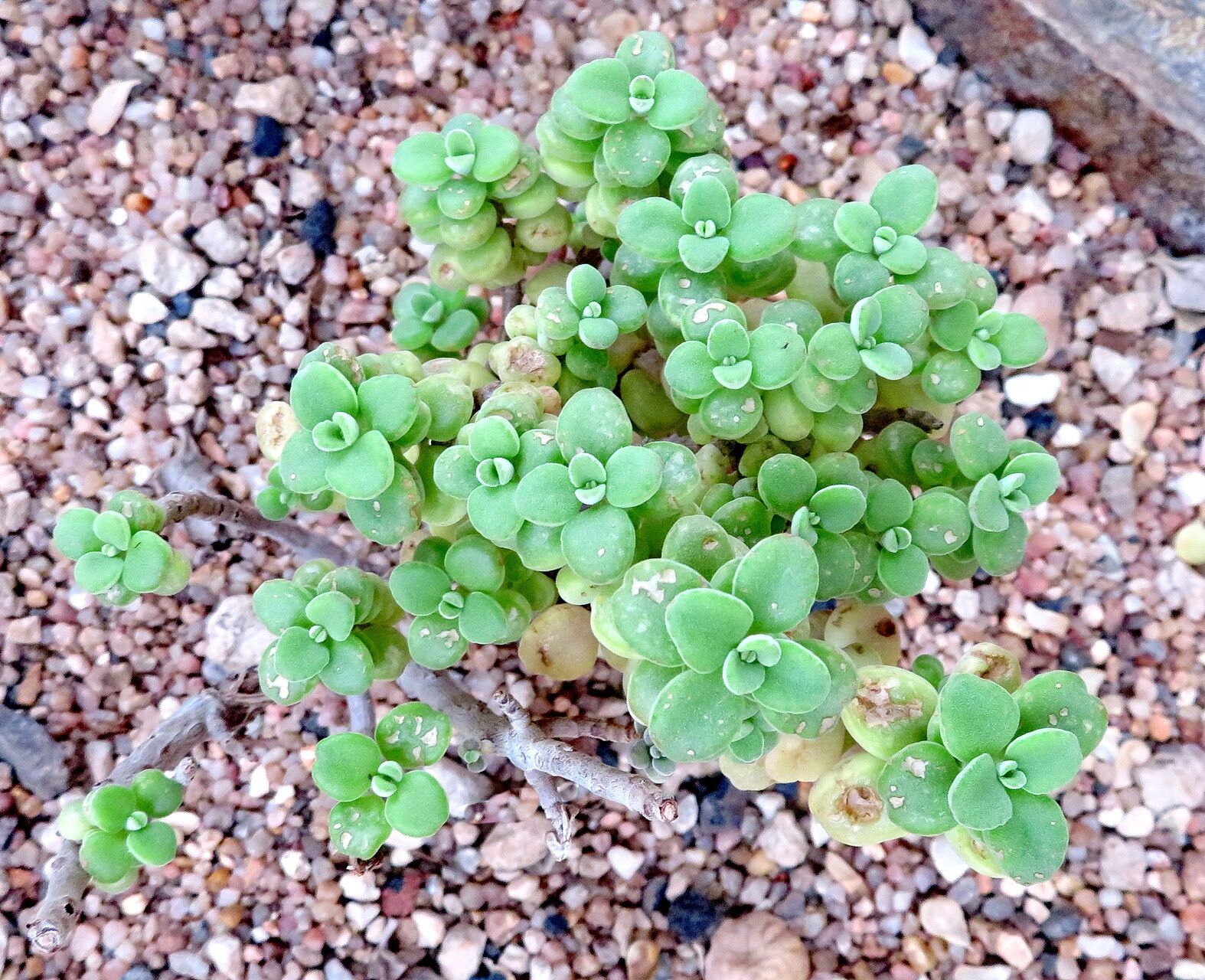
Hey there, fellow plant lover! It’s so good to have you here. Today, I want to chat about a plant that has truly captured my heart over the years: Coleus socotranus. Honestly, if you haven’t delved into the world of Coleus propagation yet, you’re in for a real treat. These beauties, with their intricate, often velvety foliage, are simply stunning. And the best part? They’re surprisingly eager to share their beauty. Propagating Coleus socotranus is a fantastic way to multiply your collection, create lovely gifts for friends, or just experiment with the magic of bringing new life into the world. While it’s not the absolute easiest plant for a total beginner, it’s definitely within reach – and I’m here to guide you every step of the way!
The Best Time to Start
When it comes to getting your Coleus socotranus off to a flying start, spring and early summer are your golden ticket. This is when the plant is naturally in its most vigorous growth phase. The days are getting longer, the temperatures are warming up, and everything is just bursting with life. Starting around this time means your cuttings will have ample light and warmth to establish roots quickly. You can propagate at other times, of course, but you might find it a bit slower going, especially if your home gets dark and chilly in the winter.
Supplies You’ll Need
Gathering your supplies beforehand makes the whole process so much smoother. Here’s what I always have on hand:
- Sharp Pruning Shears or Scissors: Clean cuts are crucial for preventing disease and encouraging healing.
- Small Pots or Seed Starting Trays: Anything that can hold your cuttings and soil, with drainage holes, naturally.
- Well-Draining Potting Mix: A good quality seed starting mix or a blend of peat moss, perlite, and a little bit of compost works beautifully. You want something that won’t stay soggy.
- Rooting Hormone (Optional but Recommended): This can give your cuttings a little boost in developing strong roots faster. I prefer the gel or powder forms.
- Clear Plastic Bag or Humidity Dome: To create a mini-greenhouse effect and keep humidity high.
- Watering Can or Spray Bottle: For gentle watering.
Propagation Methods
Let’s get our hands dirty! Here are the two methods I find work best for Coleus socotranus.
1. Stem Cuttings: My Go-To Method
This is my absolute favorite way to propagate Coleus. It’s efficient and usually yields fantastic results.
- Select Your Cuttings: Look for healthy, non-flowering stems on your established Coleus socotranus. You want pieces that are about 4-6 inches long. Gently pinch or snip them off just below a leaf node (that little bump where a leaf grows from the stem).
- Prepare the Cuttings: Carefully remove the lower leaves from the bottom half of the cutting. This prevents them from rotting in the soil or water. You want at least one or two leaf nodes exposed to the soil.
- Apply Rooting Hormone (if using): Dip the cut end of the stem into the rooting hormone, tapping off any excess powder.
- Plant the Cuttings: Fill your small pots or trays with your moistened potting mix. Make a small hole with your finger or a pencil, and gently insert the cutting, ensuring at least one or two leaf nodes are buried in the soil. Gently firm the soil around the stem.
- Water Gently: Water thoroughly but carefully, so you don’t dislodge the cuttings.
2. Water Propagation: A Visual Treat
This method is wonderfully satisfying because you can watch the roots develop!
- Select and Prepare Cuttings: Follow the same steps as above for selecting and preparing your stem cuttings. Crucially, make sure NO leaves are submerged in the water.
- Place in Water: Fill a clean jar or glass with room-temperature water. Place your prepared cuttings in the water, ensuring the leaf nodes are submerged but the leaves themselves are above the water line.
- Find a Bright Spot: Place the jar in a location that receives bright, indirect light.
- Change Water Regularly: Change the water every few days to keep it fresh and prevent bacterial growth. You’ll be amazed at how quickly those little white roots start to appear!
The “Secret Sauce” (Pro Tips)
Over the years, I’ve picked up a few little tricks that make a big difference.
- Bottom Heat is Your Friend: While not strictly necessary, placing your pots on a gentle heating mat designed for seedlings can significantly speed up root development, especially if your home isn’t super warm. It mimics the warmth of spring soil.
- Don’t Drown Those Leaves! I can’t stress this enough, especially with water propagation. Any leaves that sit in water are a direct invitation for rot. They just seem to go mushy and make the whole stem susceptible to disease. Always keep them above the waterline.
- Successive Planting: Don’t be afraid to take cuttings from your cuttings! As soon as your propagated plants are well-rooted and growing, you can take new cuttings from them. This multiplies your collection even faster.
Aftercare & Troubleshooting
Once your cuttings have developed a good root system (you’ll see roots poking out the drainage holes, or if you gently tug, there will be resistance), it’s time to treat them like the precious babies they are.
- For Cuttings in Soil: Continue to water them regularly, keeping the soil consistently moist but not waterlogged. Once they start showing new leaf growth, they’re officially on their way! You can gradually move them into slightly larger pots if needed.
- For Cuttings from Water: Gently transplant them into pots with your well-draining potting mix. The soil will feel a bit strange after water, so water them in gently and maintain good humidity for the first week or so.
- Troubleshooting: The most common issue you’ll face is rot. This usually happens from overwatering or if the leaves are sitting in stagnant water. If a cutting looks mushy or black at the base, unfortunately, it’s probably a goner. Yellowing leaves can indicate too little light or perhaps too much water. Just observe your little ones and adjust as needed.
A Little Patience Goes a Long Way
Watching a new plant emerge from a tiny cutting is one of the most rewarding gardening experiences. Be patient with your Coleus socotranus cuttings. Some might take their time, while others will practically sprout roots overnight. Don’t get discouraged if a few don’t make it; it’s all part of the learning process. Just enjoy the journey, celebrate every new leaf and root, and soon you’ll have a beautiful collection of your own making. Happy propagating!
Resource: