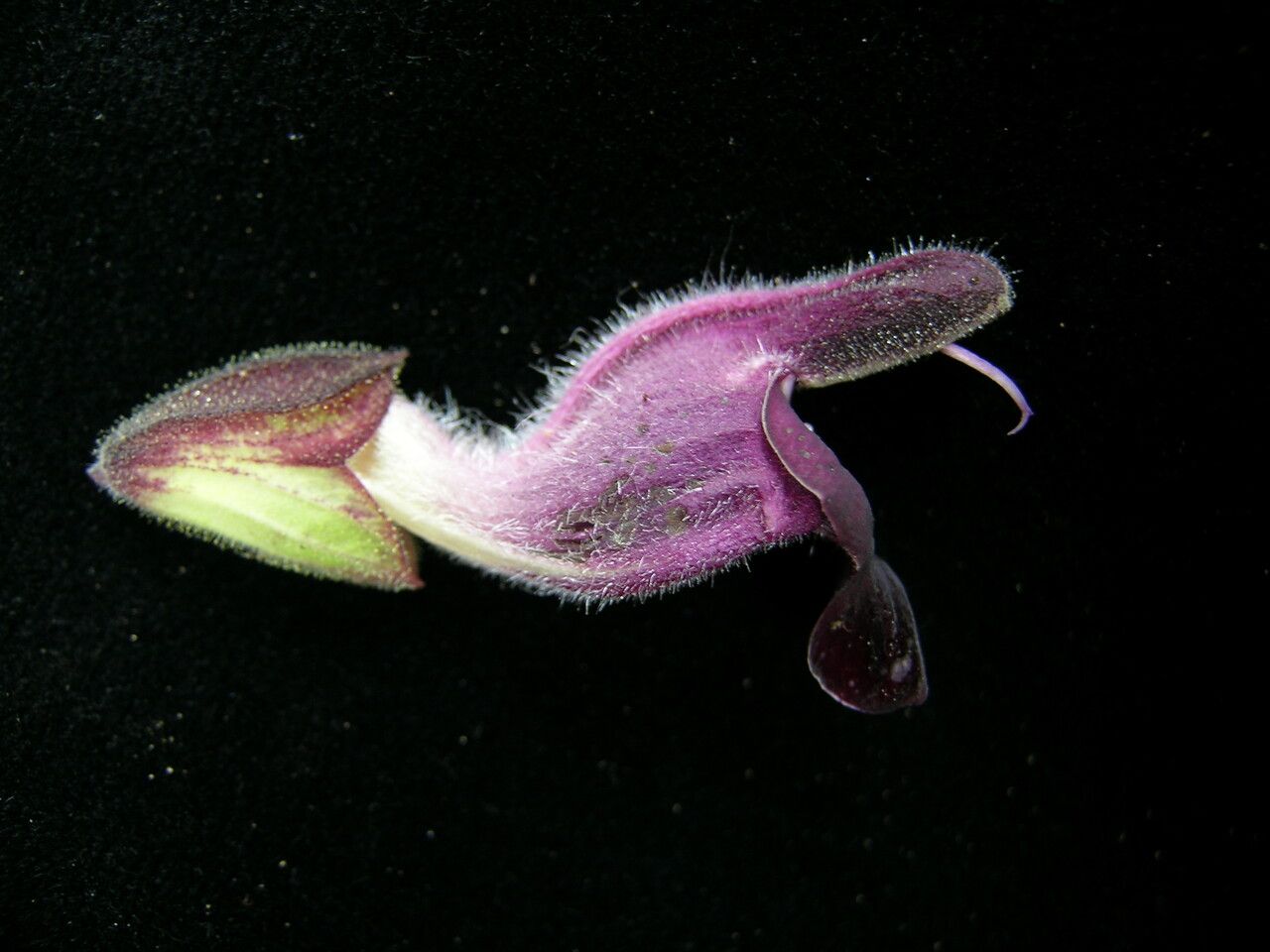
Oh, I’m so glad you’re interested in propagating Salvia castanea! It’s a truly wonderful plant, isn’t it? Those lovely purple-blue flower spires are just magnetic, drawing in all sorts of buzzy visitors. And the scent! A little peppery, a little minty – it’s just delightful. Sharing these beauties with friends or simply expanding your own collection is incredibly rewarding. Now, about Salvia castanea for beginners… It’s not the absolute easiest plant to propagate from cuttings, but with a little attention to detail, I promise you can do it! Don’t let that deter you; it’s a fantastic learning experience.
The Best Time to Start
For the very best chance of success with Salvia castanea cuttings, I always aim for late spring to early summer, right when the plant is in its active growth phase. You want to take cuttings from stems that are semi-hardwood. What does that mean? Think of a stem that’s not floppy and green, but also not old and woody. It should have a bit of give, almost like a firm pencil. Taking them during this period ensures they have enough energy to form roots.
Supplies You’ll Need
Here’s what I find essential for a smooth propagation session:
- Sharp, clean pruning shears or a craft knife: Sanitize them with rubbing alcohol between cuts to prevent disease.
- Rooting hormone (optional, but recommended): Look for one with IBA (Indole-3-butyric acid). It really gives those cuttings a boost.
- A well-draining potting mix: I often use a blend of one part perlite to two parts peat moss or coco coir. Some growers swear by a specialized seed starting mix too.
- Small pots or trays: Make sure they have drainage holes! Moisturelogged pots are a fast track to disappointment.
- A clear plastic bag or propagation dome: This will create a humid environment, which is crucial.
- Water: For misting and eventually watering.
- A spray bottle: For keeping things gently moist.
Propagation Methods
Let’s talk about how to get those new Salvias growing! Stem cuttings are my go-to for Salvia castanea.
Stem Cuttings:
- Select your stems: Find those healthy, semi-hardwood stems. Look for ones that have new growth at the tip but are firm lower down.
- Take your cuttings: Using your clean shears, cut a stem that’s about 4-6 inches long. Make your cut just below a leaf node (where a leaf attaches to the stem). This node is where the magic of rooting happens.
- Prepare the cuttings: Gently remove the lower leaves from the cutting, leaving just a few at the very top. This prevents leaves from rotting in the soil or water. If the leaves are large, you can even cut them in half to reduce water loss.
- Apply rooting hormone (if using): Dip the cut end of the stem into the rooting hormone powder, tapping off any excess.
- Insert into soil: Make a small hole in your prepared potting mix with a pencil or your finger. Then, carefully insert the cutting, ensuring the nodes where you removed leaves are buried in the soil. Gently firm the soil around the base.
- Water gently: Give the soil a light watering. You want it moist, but not soggy. A good sign is when water just starts to drain from the bottom.
- Create humidity: Cover the pot or tray with a clear plastic bag or propagation dome. This traps moisture and creates that humid microclimate your cuttings need. If you’re using a bag, prop it up with a few stakes so it doesn’t touch the leaves.
- Place in bright, indirect light: Find a spot that’s warm and receives plenty of bright, indirect light. Avoid direct, scorching sun, which can easily dehydrate your young cuttings.
The “Secret Sauce” (Pro Tips)
Here are a couple of things I’ve learned over the years that make a real difference:
- Bottom heat is your friend: If you have the space, placing your pots on a propagation mat set to a low temperature (around 70-75°F or 21-24°C) can significantly speed up root development. It’s like giving those roots a warm hug to get them going.
- Don’t fuss too much: Once you’ve set them up with humidity and the right light, try to resist the urge to constantly uncover them. Every time you do, you lose that precious humidity. Peek only to check soil moisture or if you see any issues.
Aftercare & Troubleshooting
Once your cuttings have developed roots – and this can take anywhere from 3-6 weeks, sometimes longer – you’ll know they’re ready when you feel a gentle tug when you lightly pull on them, or you might see new leaf growth. At this point, gradually introduce them to less humid conditions by opening up the bag or dome a little more each day over a week. Then, you can transplant them into their own small pots.
The most common issue you’ll encounter is rot. If you see stems turning mushy or black at the soil line, it’s usually a sign of too much moisture and not enough air circulation. Discard any rotting cuttings to prevent it from spreading. If your cuttings simply aren’t rooting, it could be due to insufficient warmth, light, or taking the cuttings from the wrong part of the plant. Don’t despair; just try again with new cuttings at the right time!
A Encouraging Closing
Propagating plants is a journey, and every gardener, no matter how experienced, has had their share of cuttings that didn’t make it. Be patient with yourself and your Salvia castanea. Enjoy the process of nurturing these tiny beginnings. Soon enough, you’ll have an abundance of these beautiful plants to fill your garden and share with others. Happy propagating!
Resource:
https://identify.plantnet.org/k-world-flora/species/Salvia%20castanea%20Diels/data