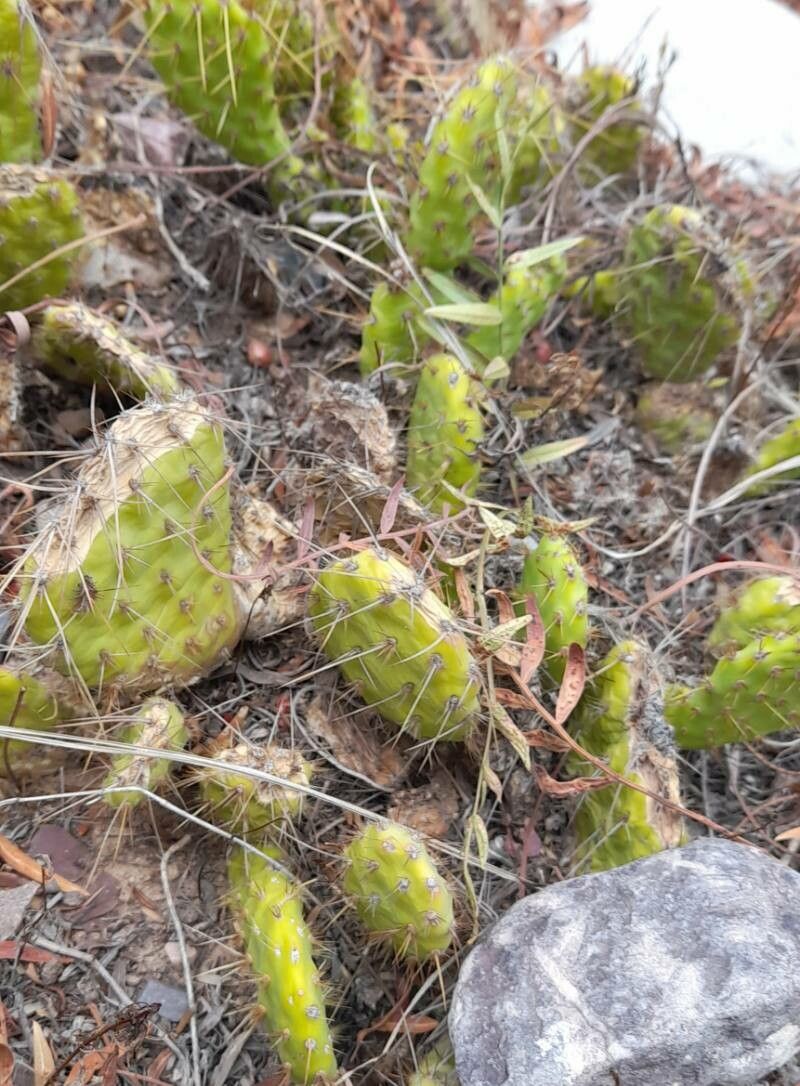
Oh, hello there! Come on in, pull up a chair. Let’s chat about something truly special: propagating Maihueniopsis atacamensis. If you’ve ever spotted this desert jewel, with its fuzzy, segmented stems and charmingly rustic form, you know it’s got a unique appeal. Bringing a new one to life from an existing plant feels like unlocking a little bit of that magic for yourself. It’s immensely satisfying, truly. Now, for the honest truth: is it a walk in the park for absolute beginners? I’d say it leans more towards the gently challenging. It requires a bit of attentiveness, but with a few pointers, you’ll be well on your way.
The Best Time to Start
For getting started with Maihueniopsis atacamensis, I always recommend the late spring or early summer. This is when the plant is actively growing, bursting with energy. Cuttings taken now have the best chance of rooting quickly and establishing themselves before the cooler, dimmer days of autumn arrive. You want to tap into that vigorous growth phase.
Supplies You’ll Need
Here’s what I like to have on hand:
- A well-draining potting mix: I typically use a cactus and succulent blend, often adding extra perlite or pumice for aeration. Think grit!
- Sharp, clean pruning shears or a sharp knife: For making clean cuts. Sterilize them with rubbing alcohol before you begin.
- Rooting hormone (optional, but recommended): Especially for cuttings. It gives them a little boost.
- Small pots or containers: Terracotta pots are great because they breathe. Make sure they have drainage holes.
- Gravel or small stones: For a top dressing to help wick away moisture from the stem base.
- A spray bottle: For misting.
- Labels and a pen: To keep track of what you’ve planted and when.
Propagation Methods
There are a couple of ways we can coax new life from our Maihueniopsis.
Stem Cuttings
This is my go-to method. It feels the most direct.
- Select a healthy stem: Look for a segment that’s firm and free of any signs of damage or rot.
- Make the cut: Using your sterilized shears, make a clean cut just above a constriction or joint between segments.
- Let it callus: This is crucial! We don’t want rot setting in. Place the cutting in a well-ventilated spot, away from direct sunlight, for at least 3-7 days. You’ll see the cut end dry out and form a protective scab. Patience here pays dividends!
- Apply rooting hormone: Once the cutting has callused, dip the cut end into rooting hormone, tapping off any excess.
- Plant the cutting: Fill a small pot with your well-draining mix. Make a small hole in the center with a pencil or your finger, and insert the callused end of the cutting. Gently firm the soil around it. I like to add a thin layer of gravel on top to support the cutting.
- Water sparingly: Water the soil lightly, just enough to moisten it.
Division (Less Common for this Species, but Possible)
If your established plant has multiple distinct growing points that seem somewhat separate, you might be able to divide it. This is best done in spring or early summer too.
- Gently unpot: Carefully remove the plant from its container.
- Examine the root ball: Look for natural breaks where the plant can be separated into smaller sections, each with its own roots.
- Separate the sections: Using your hands or a clean, sharp knife, carefully pull or cut the sections apart. Try to preserve as much root as possible on each division.
- Let them callus: Similar to cuttings, it’s a good idea to let the cut surfaces of the divisions air dry for a day or two before replanting.
- Pot up: Plant each division into its own pot with fresh, well-draining soil. Water very sparingly at first.
The “Secret Sauce”
Here are a few things I’ve learned over the years that have really upped my success rate:
- Don’t overwater, ever: This is the most common mistake when propagating succulents. Err on the side of caution. It’s much easier to revive a thirsty plant than a waterlogged one. Wait until the soil is completely dry before watering again.
- Bottom heat is your friend: If you can, placing your pots on a seedling heat mat can make a world of difference, especially for cuttings. It encourages root development from below without drying out the top soil too quickly. Just keep it on a low setting.
- Light, but no harsh sun: Your cuttings or divisions need bright, indirect light. Direct, scorching sun will likely bake them before they have a chance to root. A bright windowsill that doesn’t get intense afternoon sun is usually perfect.
Aftercare & Troubleshooting
Once your cutting has been in the pot for a few weeks, you can gently tug on it. If you feel resistance, congratulations! Roots are forming.
- Continue with light watering: Continue to let the soil dry out completely between waterings.
- Gradually increase exposure: As your new plant grows stronger, you can slowly introduce it to more direct sunlight, but always watch for signs of stress.
- Watch for rot: The biggest enemy is rot. If you see a segment turning mushy, black, or translucent, it’s likely rotting. You may need to discard it and reassess your watering habits. Sometimes, a stem cutting might shrivel up and not root. This can happen, and it’s usually a sign it didn’t get enough moisture or it had the opposite problem and was kept too wet.
Keep Growing!
Propagating plants, especially something as unique as Maihueniopsis atacamensis, is a journey. There will be times when things go wonderfully, and sometimes, nature has other plans. The key is to be patient, observe your plants closely, and learn from each experience. Enjoy the process of nurturing these new beginnings. Happy gardening!
Resource: