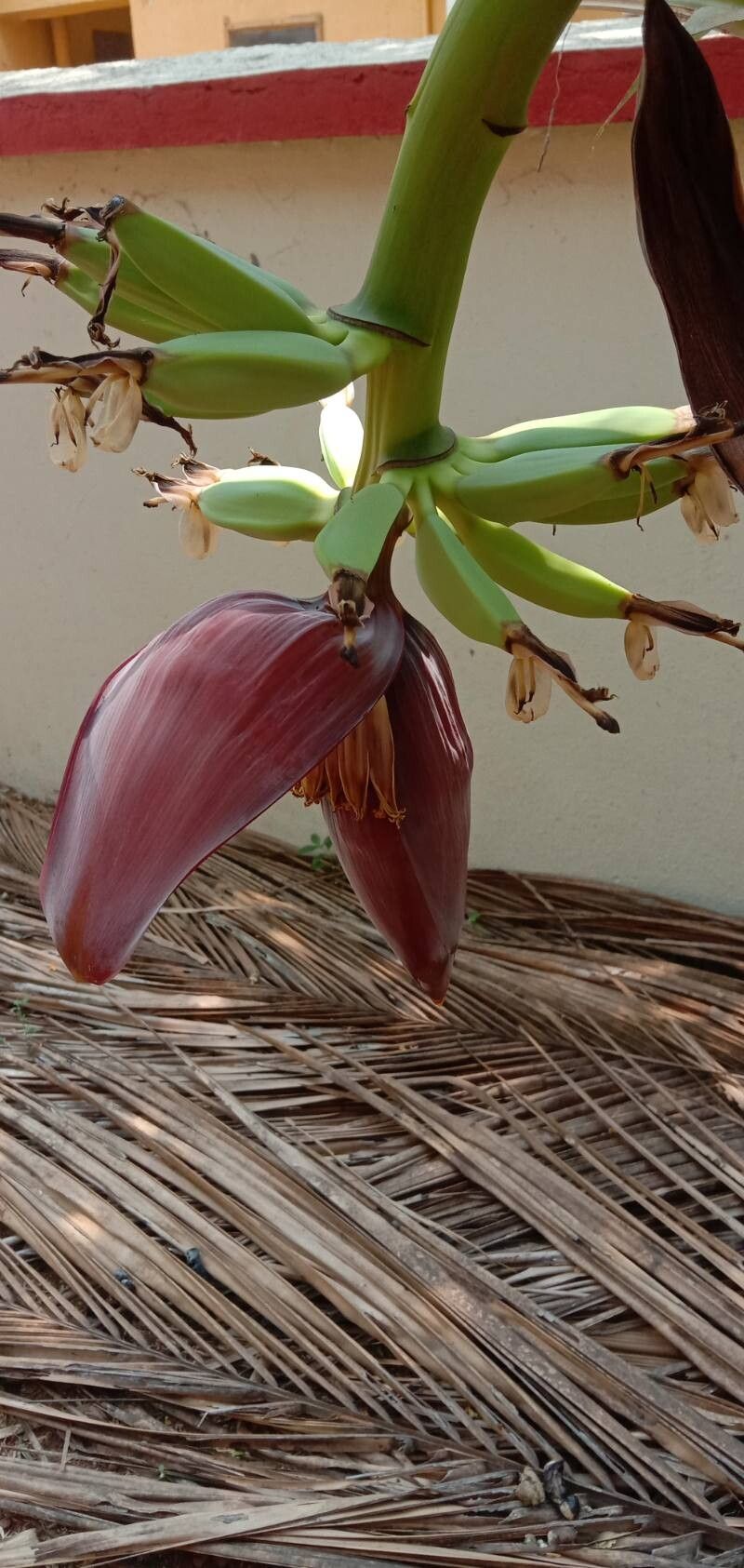
Oh, hello there, fellow plant enthusiast! Grab a mug of your favorite brew, and let’s chat about something truly special: bringing more of those glorious Musa acuminata plants into your life. You know, the ones with those lush, tropical vibes that just make a space feel magical? Growing your own banana plants from scratch is incredibly rewarding, a tiny thrill every time you see a new leaf unfurl. And guess what? While it might sound daunting, propagating these beauties is actually quite achievable, even for those of you just starting your green-thumb journey.
The Best Time to Start
When it comes to giving your Musa acuminata a head start, spring and early summer are your best friends. This is when the plant is naturally pushing out new growth, meaning it’s full of energy and ready to share. Waiting until after the last frost has passed also ensures consistent warmth, which is crucial for successful propagation. I find that plants that have been happily growing for at least a year, and are looking robust, are prime candidates for sharing.
Supplies You’ll Need
Before we dive in, let’s make sure you have everything at the ready. A little preparation goes a long way!
- Sharp Pruning Shears or a Clean Knife: For making clean cuts. Sterilize them with rubbing alcohol to prevent any nasty pathogens from spreading.
- Well-Draining Potting Mix: A good blend specifically for houseplants or a mix of peat moss, perlite, and compost works wonders. Orcharding bark can also be useful.
- Small Pots or Containers: New homes for your propagating cuttings. Make sure they have drainage holes!
- Rooting Hormone (Optional but Recommended): This can give your cuttings a helpful boost to develop roots.
- Plastic Bag or Clear Dome: To create a humid microclimate.
- Watering Can or Spray Bottle: For gentle watering.
- Labels: Because trust me, you’ll forget which is which!
Propagation Methods
Now, for the fun part! There are a couple of fantastic ways to multiply your Musa acuminata.
1. Division: The Classic Approach
This is my go-to method, especially for more mature plants. Your banana plant, as it grows, will naturally send up little baby plants, called “pups,” from its base.
- Gently excavate: Carefully remove the parent plant from its pot. If it’s too large to lift easily, you might want to do this outdoors or in a wheelbarrow. You can also try to dig around the pup, carefully exposing its base.
- Identify a pup: Look for a smaller shoot emerging from the main trunk, ideally one that has at least a couple of leaves and its own emerging roots.
- Separate with care: Using your clean pruning shears or knife, make a clean cut between the pup and the parent plant. Try to get as much of the pup’s root system as possible. If the pup is large and well-established, you can sometimes just gently pull it away with a bit of wriggling.
- Pot it up: Plant the separated pup in its own pot filled with your well-draining potting mix. Water it lightly.
2. Stem Cuttings (or Pseudostem Cuttings): For the Slightly More Adventurous
This method involves taking a piece of the “trunk” (which is actually made of rolled leaves, or pseudostem) and encouraging it to root.
- Select a healthy pseudostem: Choose a mature pseudostem from your plant.
- Make your cut: Using your sterilized knife or shears, cut a section of the pseudostem about 4-6 inches long. Make sure it has at least one node (a small bump or scar where a leaf emerges).
- Prepare the cutting: Remove any leaves from the lower half of the cutting. If your cutting has large leaves, you can cut them in half to reduce water loss.
- Apply rooting hormone (if using): Dip the cut end of the pseudostem into your rooting hormone powder.
- Plant or water propagate:
- Potting: Fill a small pot with moist, well-draining potting mix. Make a hole with your finger or a pencil and insert the cutting into the soil, ensuring the node is buried. Firm the soil gently around it.
- Water: You can also place the cutting in a jar of water, making sure the node is submerged. Crucially, don’t let the leaves touch the water. This can lead to rot.
The “Secret Sauce” (Pro Tips)
Here are a few little tricks I’ve picked up over the years that can really make a difference:
- Bottom Heat is Your Friend: Banana plants love warmth. If you’re propagating by cuttings, placing the pot on a gentle heat mat designed for seedlings can significantly speed up root development. The warmth mimics their natural tropical environment.
- Humidity is Key: Especially for cuttings, maintaining high humidity is vital. Once you’ve potted your cutting or placed it in water, cover the pot loosely with a clear plastic bag (poke a few holes for air circulation) or use a clear dome. This creates a mini-greenhouse effect. Keep it out of direct, harsh sunlight, though; bright, indirect light is best.
- Patience with Pups: When dividing pups, don’t be tempted to rush the separation if a pup seems a little loosely attached. Wait until it has developed its own decent root system before attempting to separate it. This significantly increases its chances of survival.
Aftercare & Troubleshooting
Once you see signs of life – a little sprout, new leaves unfurling, or the cutting feels resistant when gently tugged (a sign of roots!) – congratulations!
- Gradually Acclimate: If you used a plastic bag or dome, start by gradually increasing the ventilation. Remove it for longer periods each day before taking it off completely. This helps the new plant adjust to normal humidity levels.
- Water Wisely: Water when the top inch of soil feels dry, but avoid letting it sit in soggy conditions. Overwatering is the quickest way to spell doom for a new propagation.
- Watch for Rot: The most common problem you might encounter is rot, which usually appears as black, mushy stems or leaves. This is often due to too much moisture, poor drainage, or insufficient air circulation. If you see rot, unfortunately, it’s usually best to discard the cutting and start again, ensuring better conditions this time.
- Slow Growth is Normal: Don’t panic if your new plant doesn’t explode with growth immediately. Banana plants can be a little slow to establish their roots. Keep them in good light and provide consistent, but not excessive, moisture.
A Little Encouragement
Propagating Musa acuminata is its own kind of magic—watching a piece of a beloved plant turn into a whole new one is just incredibly gratifying. Don’t be discouraged if you have a few setbacks; every gardener does! Just learn from them, adjust your approach, and keep at it. The joy of seeing your new banana plants thrive will be absolutely worth it. Happy propagating!
Resource:
https://identify.plantnet.org/k-world-flora/species/Musa%20acuminata%20Colla/data