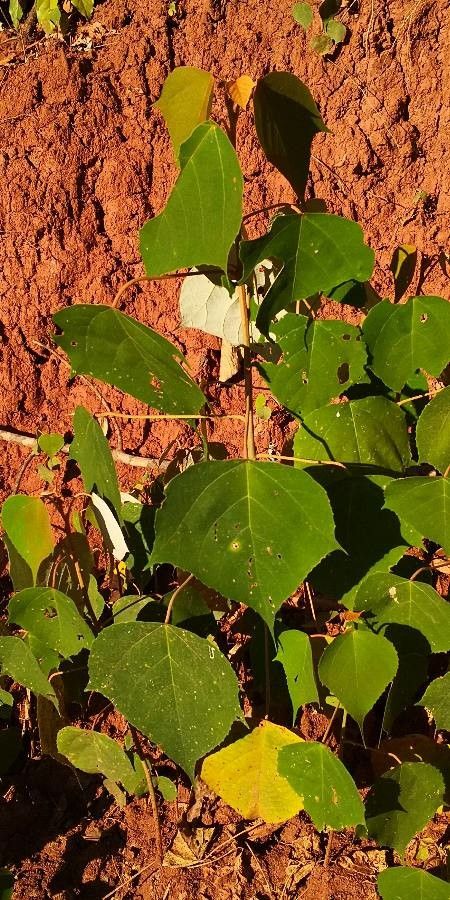
Hey there, fellow plant enthusiasts! Today, we’re diving into the wonderfully rewarding world of propagating Mallotus apelta. If you’ve ever admired this plant’s unique foliage and lovely form, you’re in for a treat. Growing new plants from existing ones is like magic, and Mallotus apelta is a fantastic candidate to practice your green thumb on. Good news for beginners: this one is quite forgiving, which makes it a joy to propagate!
The Best Time to Start
For the happiest cuttings and the best chance of success, I always aim to take cuttings in late spring or early summer. This is when the plant is in its most vigorous growth phase. The new shoots are pliable and full of energy, making them prime candidates for rooting. Think of it as capturing the plant at its peak, ready to make a baby!
Supplies You’ll Need
Gathering your tools beforehand makes the whole process much smoother. Here’s what you’ll want to have on hand:
- Sharp pruning shears or a clean, sharp knife: To make clean cuts.
- Rooting hormone (optional but recommended): A little boost can work wonders.
- Small pots or propagation trays: For your cuttings.
- Well-draining potting mix: A blend of peat moss, perlite, and a little compost is my go-to.
- Plastic bags or a propagation dome: To create a humid environment.
- Watering can with a fine rose: For gentle watering.
- Rubbing alcohol or bleach solution: To sterilize your tools.
Propagation Methods
The most straightforward way to propagate Mallotus apelta is through stem cuttings. It’s incredibly reliable, and I’ve had great luck with it over the years.
Stem Cuttings:
- Select a healthy stem: Look for a mature, but not woody, stem that has at least two sets of leaves.
- Make the cut: Using your sterilized pruning shears or knife, make a clean cut just below a leaf node. This is where the magic happens, where roots are most likely to form. Aim for cuttings that are about 4-6 inches long.
- Prepare the cutting: Gently remove the lower leaves from the bottom half of your cutting. This prevents them from rotting once they’re in the soil. You can leave the top few leaves intact, but you might want to trim any very large ones in half to reduce water loss.
- Apply rooting hormone (optional): If you’re using rooting hormone, lightly dip the cut end of the stem into the powder or gel. Tap off any excess.
- Potting up: Fill your small pots or propagation trays with your well-draining potting mix. Gently insert the cuttings into the soil, ensuring at least one leaf node is buried. Make a little hole with your finger or a pencil before inserting the cutting to avoid scraping off the rooting hormone.
- Watering: Water gently until the soil is evenly moist, but not waterlogged.
- Create humidity: Cover the pots with a plastic bag, making sure the leaves don’t touch the plastic. You can also use a clear propagation dome. This traps moisture and creates the humid environment cuttings love. Place the pots in a bright spot, but out of direct sunlight.
The “Secret Sauce” (Pro Tips)
Here are a couple of my tried-and-true tricks that can really boost your success:
- Bottom Heat is Your Friend: If you find your cuttings are taking a while to root, consider placing the pots on a heat mat designed for seedlings. This gentle warmth encourages root development from below, much like warmth from the sun on the soil surface. It makes a surprising difference!
- Don’t Disturbance, Unless Necessary: Once your cuttings are potted, try your best not to move or disturb them much. Let them settle in and do their thing. Only check for roots by giving a very gentle tug after a few weeks. If there’s resistance, you’ve got roots!
Aftercare & Troubleshooting
Once you start seeing new growth, that’s a good sign roots are forming! You can gently test this by giving the cutting a very light tug. If there’s resistance, roots have begun to develop.
Continue to keep the soil consistently moist but not soggy. You can gradually start to remove the plastic cover over a week or two to acclimate the new plant to normal humidity. Once it’s established and showing good new growth, it’s ready to be transplanted into a slightly larger pot.
The most common problem you might encounter is rot, which usually happens from overwatering and poor drainage. If you see your cuttings turning mushy or black at the soil line, it’s a sign of too much moisture. In this case, your best bet is to unfortunately discard the affected cutting and start again, making sure your soil drains well and you’re not overwatering.
A Encouraging Closing
Be patient with your little Mallotus babies! Propagation is a journey, and sometimes it takes a little time for nature to work its magic. The joy of watching a new plant emerge from a simple cutting is truly special. So, grab your tools, get your hands in the soil, and enjoy the process of bringing more beauty into your world! Happy propagating!
Resource:
https://identify.plantnet.org/k-world-flora/species/Mallotus%20apelta%20(Lour.)%20Müll.Arg./data