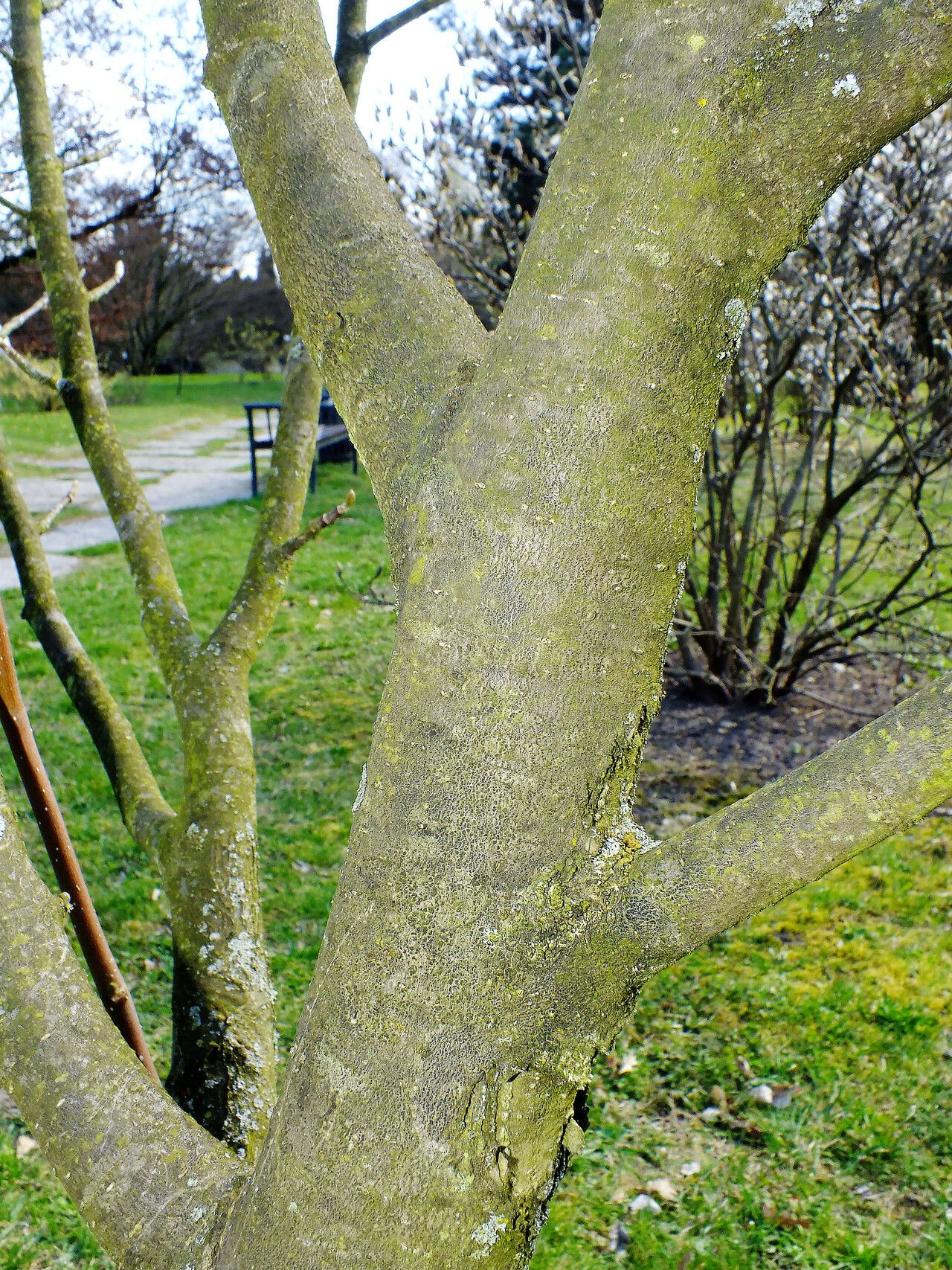
Oh, hello there! Come on in, grab a mug. Today, we’re diving into something truly special: coaxing new life from our beloved Magnolia denudata, the Yulan Magnolia. If you’ve ever seen one of these beauties in full bloom – those incredible, goblet-shaped, pure white flowers emerging directly from bare branches in early spring – you know the magic I’m talking about. It’s such a rewarding plant, and growing your own from cuttings or other methods? That’s a whole other level of garden joy.
Now, I won’t sugarcoat it: Magnolia denudata can be a bit of a patient gardener’s reward. She’s not the easiest plant to propagate for absolute beginners, but with a little know-how and a dash of persistence, you absolutely can succeed. It’s more about understanding her needs than complicated techniques.
The Best Time to Start
For the highest chance of success with Magnolia denudata, I always recommend taking cuttings in late spring to early summer. This is when the plant is actively growing, and the new, semi-hardwood shoots have begun to toughen up just a bit. You want to avoid taking cuttings from brand new, bright green, floppy growth, and definitely not from old, woody stems. Think of it as looking for stems that have a little bit of give but aren’t brittle.
Supplies You’ll Need
To get started, here are the essentials I always have on hand:
- Sharp Pruning Shears or a Knife: Cleanliness is key here!
- Rooting Hormone: A powder or gel formulation works well.
- Small Pots or Trays: With drainage holes, of course.
- A Well-Draining Potting Mix: I like a blend of equal parts peat moss, perlite, and coarse sand. This ensures good aeration and prevents soggy conditions.
- Clear Plastic Bags or a Propagator: To create a humid environment.
- Potting Labels: So you don’t forget what you planted where!
- Watering Can with a Fine Rose: For gentle watering.
Propagation Methods
While we could talk about grafting, for most home gardeners, we’ll focus on the methods that are more accessible.
Stem Cuttings
This is my go-to for Magnolia denudata.
- Select Your Cuttings: After identifying those perfect semi-hardwood shoots (about pencil-thick, between 6-10 inches long), make a clean cut just below a leaf node (where a leaf attaches to the stem).
- Prepare the Cuttings: Gently strip off the lower leaves from the bottom 2-3 inches of the stem. If you have large leaves, you can also cut the remaining leaves in half horizontally. This reduces water loss through transpiration without sacrificing too much of the plant’s energy-producing surface.
- Apply Rooting Hormone: Dip the cut end of each cutting into your rooting hormone, coating about an inch or so. Tap off any excess.
- Plant Your Cuttings: Fill your small pots or trays with your prepared potting mix. Make a hole in the center with your finger or a pencil, and gently insert the cutting. Firm the soil gently around the stem.
- Water and Cover: Water thoroughly but gently. Then, cover the pots with a clear plastic bag or place them in a propagator. You want to create a mini-greenhouse effect to maintain high humidity. Ensure the plastic bag doesn’t touch the leaves.
Division (for established multi-stemmed plants)
If you have an older, established Magnolia denudata that has started to send up multiple stems from the base, you might be able to divide it.
- Timing is Crucial: This is best done in early spring as new growth begins, or in late fall after the leaves have dropped.
- Excavate Carefully: Gently dig around the base of the plant, exposing the root ball.
- Separate the Sections: Use a sharp spade or a large knife to carefully divide the root ball into sections, ensuring each section has a decent amount of roots and at least one strong shoot.
- Replant Immediately: Replant the divisions into their new locations or containers at the same depth they were growing previously. Water them in well.
The “Secret Sauce”
Here are a few little tricks I’ve learned over the years that can make a big difference:
- Bottom Heat is Your Friend: For cuttings, providing gentle bottom heat from a propagator mat really encourages root development. It mimics the warmth of spring soil and gives those roots a real boost. Just keep it warm, not hot!
- The “Slap Test”: When you lift a bag or lid from your cuttings, if you see condensation running down the sides, you know your humidity is good. If it’s dry, mist the leaves lightly and recover.
- Don’t Over-Water: This is probably the most common mistake, especially with cuttings. Soggy soil is the quickest way to rot off your precious efforts. Let the top inch of soil dry out slightly between waterings.
Aftercare & Troubleshooting
Once your cuttings have been planted, keep them in a bright, indirect light location. Avoid direct sun, which can scorch the leaves and dry out the cuttings too quickly. Continue to monitor the humidity and water as needed.
You’ll know your cuttings have rooted when you see new leaf growth or feel a gentle tug when you lightly pull on the stem. This can take anywhere from several weeks to a few months, so patience is key.
The main thing to watch out for is rot. If you see leaves turning black and mushy, or the stem itself becoming soft and discolored, it’s usually a sign of overwatering or poor drainage. Unfortunately, once rot sets in, it’s often too late.
Once rooted, you can gradually acclimate your new magnolia to less humid conditions before potting up into larger containers. Continue to grow them on in pots for at least a year or two before planting them out in their permanent garden home.
A Little Bit of Patience, A Lot of Green-Thumb Joy
Growing a Magnolia denudata from your own cuttings is such a special journey. It’s a little nurturing, a little science, and a whole lot of hope. Don’t be discouraged if your first attempts aren’t perfect. Every plant is a learning experience. Just keep at it, enjoy the process, and soon you’ll be admiring your very own blooming jewel that you helped into existence. Happy gardening!
Resource:
https://identify.plantnet.org/k-world-flora/species/Magnolia%20denudata%20Desr./data