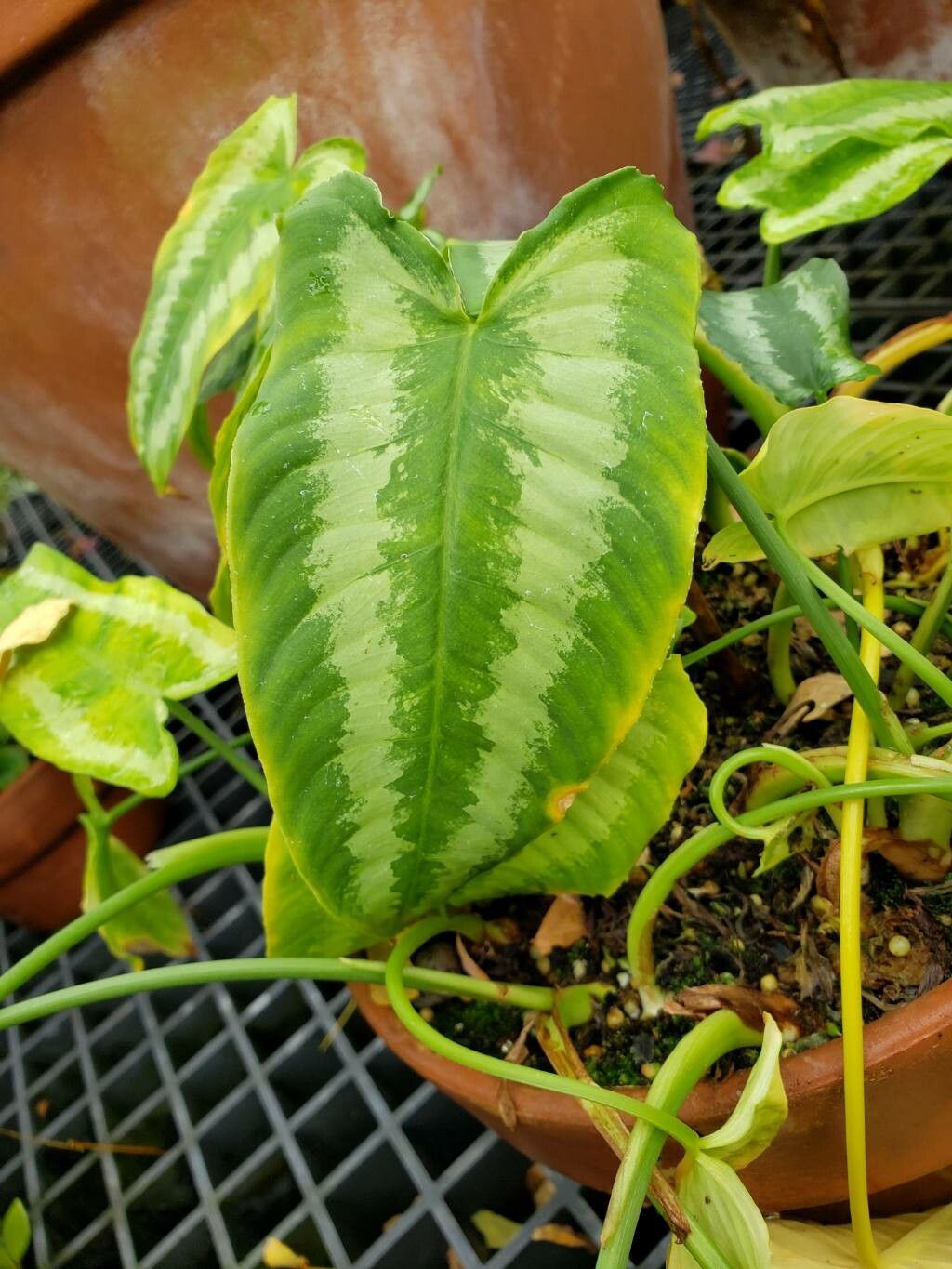
Hey there, fellow plant enthusiasts! Today, I want to chat about a truly captivating Aroid that’s been stealing my heart (and a bit of my propagation space!) over the years: Schismatoglottis neoguineensis. If you’re looking for a plant that offers lush, patterned foliage and a bit of an exotic flair without being a total diva, this is it. And the best part? Sharing its beauty by propagating it is incredibly rewarding. Now, is it for absolute beginners? Honestly, it’s moderately easy. You’ll need a bit of patience and attention to detail, but the success you’ll have is well worth it.
The Best Time to Start
For Schismatoglottis neoguineensis, the sweet spot for propagation is definitely during its active growing season. Think late spring through summer. This is when the plant is putting on new growth, energized by longer days and warmer temperatures. You’ll find it’s much more receptive to taking cuttings or dividing at this time, giving your new babies the best chance to thrive.
Supplies You’ll Need
Gathering your supplies beforehand makes everything so much smoother. Here’s what you’ll want on hand:
- Sharp, sterile pruning shears or a clean knife: Essential for clean cuts.
- Potting mix: I like a chunky, well-draining mix. A good blend for Aroids usually includes perlite, orchid bark, and peat or coco coir.
- Small pots or propagation trays: Clean ones, of course!
- Clear plastic bags or a propagation dome: To keep humidity high for cuttings.
- Rooting hormone (optional but recommended): Especially for stem cuttings. Look for one formulated for houseplants.
- Water: You’ll need some for watering and, if you’re using that method, for rooting.
Propagation Methods
Schismatoglottis neoguineensis is quite obliging, and I’ve found two main methods work wonderfully.
1. Stem Cuttings
This is my go-to for increasing my collection quickly.
- Find a healthy stem: Look for a mature stem with at least one or two healthy leaves. It should have a visible node, which is where the leaf attaches to the stem – this is the magic spot that will sprout roots.
- Make a clean cut: Using your sterile shears, cut the stem about an inch below a node. If your cutting has multiple leaves, you can prune them back slightly to reduce water loss.
- Apply rooting hormone (optional): Dip the cut end of the stem into your rooting hormone powder or gel. Tap off any excess.
- Plant your cutting: Prepare your small pot with your well-draining mix. Make a small hole with your finger or a pencil, and gently insert the cut end of the stem into the mix. Firm the soil gently around it.
- Create a humid environment: Water the soil lightly. Then, cover the pot with a clear plastic bag or place it under a propagation dome. This traps humidity, which is crucial for cuttings to root. You can prop the bag up with a skewer if it touches the leaves.
- Find a good spot: Place the pot in a bright location, but out of direct sunlight. Warmth is also a plus.
2. Division
If your Schismatoglottis has grown into a lovely clump, division is a fantastic way to create new plants.
- Gently remove from pot: Carefully take the parent plant out of its pot.
- Inspect the root ball: Gently shake away some of the old soil to get a clear view of the roots and the different growth points. You’re looking for natural divisions where a new shoot is already attached to the main root system.
- Separate the divisions: Using your fingers or a clean knife, carefully pull or slice apart the clump into smaller sections. Each division should have at least one leaf and a healthy root system. Don’t worry if a few roots break; it’s normal.
- Pot up your new plants: Pot each division into its own small pot filled with your well-draining mix. Water them in well.
- Settling in: Keep the newly potted divisions in a bright location, out of direct sun, and give them a bit of extra attention with watering for the first few weeks.
The “Secret Sauce” (Pro Tips)
Here are a couple of things I’ve learned that make a real difference:
- Don’t let the leaves touch the water (if you use water propagation): While some Aroids will root readily in water, I find Schismatoglottis tends to be more prone to rot if the leaves submerge. If you do use water, ensure only the cut end of the stem is in contact with it. I generally prefer soil propagation for these beauties to avoid that slimy situation.
- Bottom heat is your friend: If you can provide a gentle warmth from underneath – like a seedling heat mat – it can significantly speed up root development, especially for stem cuttings. Just make sure the heat isn’t so intense that it cooks your soil!
Aftercare & Troubleshooting
Once you see signs of new growth, like a new leaf unfurling or roots peeking out of the drainage holes, your baby Schismatoglottis is on its way!
- Gradually acclimate: If you’ve had your cutting covered, slowly start to increase ventilation over a week or two before removing the bag entirely. This prevents shock.
- Keep watering consistent: Water when the top inch of soil feels dry. Avoid letting it sit in soggy soil, which is a sure path to rot.
- Common signs of failure: The most common issue is rot, which usually manifests as a black, mushy stem or wilting leaves that never recover. This is almost always due to overwatering or poor drainage. If you see this, sadly, it’s often best to discard the affected cutting to prevent it from spreading. Another sign of trouble is a cutting that just sits there and does nothing for weeks on end. This can happen if the conditions aren’t quite right (too cold, too dry, or not enough light), or sometimes, they just don’t take. Don’t get discouraged!
A Encouraging Closing
Propagating plants is a journey of patience and observation. Watching a tiny cutting or division develop into its own thriving plant is one of the most satisfying parts of gardening. Give your Schismatoglottis neoguineensis the right conditions, a little bit of love, and trust the process. Happy propagating!
Resource: