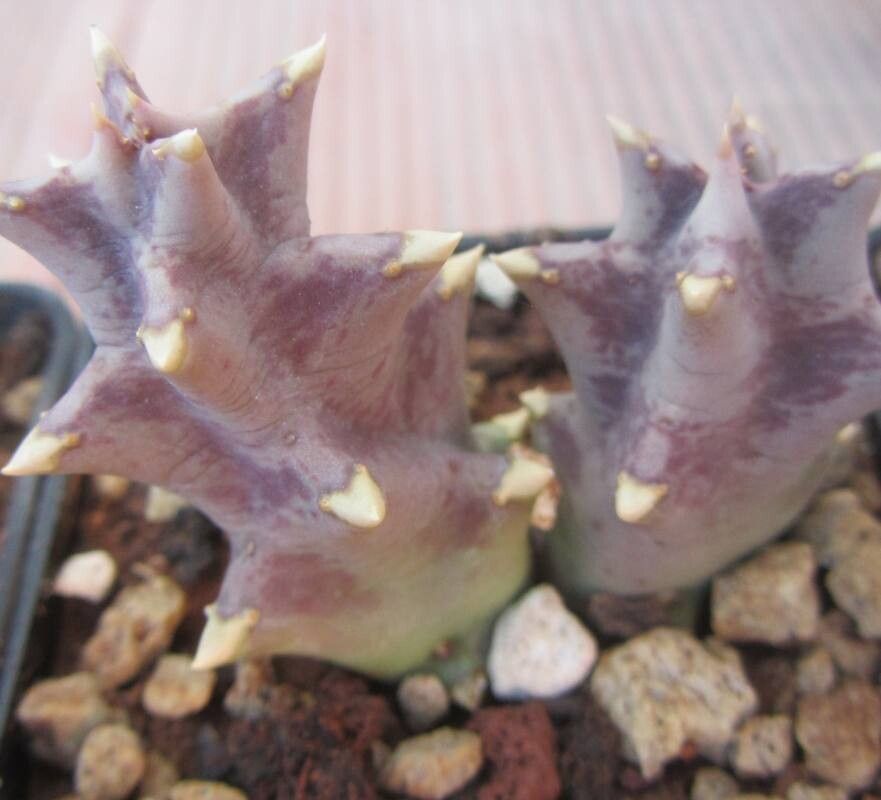
Hello fellow plant lovers! I’m so excited to chat with you today about a truly fascinating succulent: Orbea melanantha. If you’re a fan of quirky, star-shaped blooms that pack a delightful punch of scent, you’re in for a treat. These guys are real conversation starters, and the satisfaction of growing your own from a little cutting is just immense. Now, I’ll be honest, while Orbea melanantha can be a bit finicky, I wouldn’t call it overly challenging. With a little patience and the right approach, you absolutely can succeed in propagating it.
The Best Time to Start
For Orbea melanantha, my favorite time to get propagating is during its active growing season. This typically falls between spring and early summer. Why? Because the plant is full of life, energy, and ready to put out new roots. Trying to propagate when it’s dormant in the cooler months is like trying to plant a seed in frozen ground – it just won’t take. So, let’s aim for when the days are getting longer and the world around us is waking up.
Supplies You’ll Need
Here’s what you’ll want to gather before you dive in:
- Sharp pruning shears or a clean knife: For making precise cuts.
- Rooting hormone (optional but recommended): A little boost can make a big difference, especially for us beginners. Look for a powder or gel.
- Well-draining potting mix: A cactus or succulent mix is perfect. You can also make your own by mixing equal parts potting soil, perlite, and coarse sand.
- Small pots or trays: With drainage holes, of course!
- Watering can or spray bottle: For gentle watering.
- Labels and a pen: To keep track of your precious cuttings.
Propagation Methods
We’ll focus on the easiest and most reliable method for Orbea melanantha: stem cuttings.
- Take Your Cuttings: Find a healthy, established Orbea melanantha stem. Using your sharp pruning shears or knife, make a clean cut. Aim for a piece that’s at least 3-4 inches long, with a few leaf nodes (where the leaves attach to the stem).
- Let Them Callus Over: This is super important! Do NOT rush to pot your cuttings. Place them in a dry, well-ventilated spot, out of direct sunlight, for 3-7 days. You want the cut end to dry out and form a callus. This prevents rot when you plant them. It might look a little sad, but trust the process!
- Dip in Rooting Hormone (Optional): Once callused, dip the cut end of your stem into your rooting hormone powder or gel. Tap off any excess.
- Plant Your Cuttings: Fill your small pots with your well-draining potting mix. Make a small hole in the center of the soil with your finger or a pencil. Gently insert the callused end of your Orbea melanantha cutting into the hole, making sure it’s stable. Firm the soil gently around the base.
- Water Sparingly: Give your newly potted cuttings a light watering. You don’t want the soil to be soggy, just slightly moist. Then, we’ll wait.
The “Secret Sauce” (Pro Tips)
Here are a few things I’ve learned over the years that can really help your Orbea melanantha cuttings along:
- Mimic the Desert Floor: These plants thrive in arid conditions. While you want moisture for rooting, overwatering is their kryptonite. Think of how a desert plant gets water – infrequent but deep soakings, and then it dries out completely. So, resist the urge to water constantly. Let the soil dry out between waterings.
- Bottom Heat is Your Friend: If you can manage it, placing your pots on a gentle heat mat can significantly speed up root development. It mimics the warmth of the soil surface after a sun shower, encouraging those roots to emerge from the bottom.
Aftercare & Troubleshooting
Once your cuttings have been in their pots for a few weeks, keep an eye out for signs of life. Gently tugging on a cutting – if there’s resistance, rejoice! Roots are forming.
Now, you can start treating them a bit more like a mature plant. Water when the soil is dry to the touch, and gradually expose them to brighter light.
The most common issue you’ll encounter is rot. If your cutting starts looking mushy or turns black and slimy, it’s usually a sign of too much moisture. Unfortunately, often there’s no coming back from this. The best prevention is good airflow and proper watering. If you see a very minor bit of mush, you can try cutting away the affected part and letting it callus again, but it’s a gamble.
Happy Propagating!
Growing new plants from cuttings is such a rewarding journey. It teaches you patience and helps you understand the life cycle of these beautiful plants on a deeper level. Don’t be discouraged if your first attempt isn’t perfect; every experience is a learning opportunity. Just enjoy the process, and soon you’ll have a whole new constellation of Orbea melanantha to admire!
Resource:
https://identify.plantnet.org/k-world-flora/species/Orbea%20melanantha%20(Schltr.)%20Bruyns/data