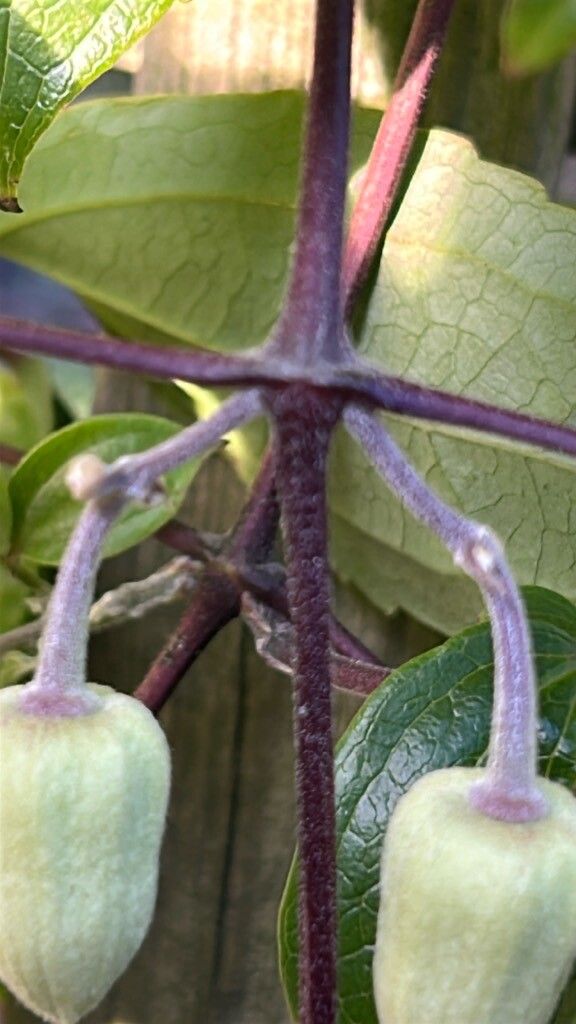
Oh, dear Clematis connata! If you’ve ever admired its delicate, star-shaped blooms, perhaps tinged with a lovely purplish hue, you know it’s a plant that just sings in the garden. It’s less fussy than some of its showier cousins, making it a real joy to grow. And the thought of creating more of these beauties from your existing ones? That’s where the real magic happens! For those of you just dipping your toes into the world of propagation, Clematis connata is a pretty good place to start. It’s not overly demanding, and the rewards of success are truly spectacular.
The Best Time to Start
When it comes to getting your Clematis connata to put down roots, timing is everything. The sweet spot for taking cuttings is usually late spring to early summer. You’re looking for stems that have started to mature a bit but are still flexible. Think of new growth that’s lost its initial softness but hasn’t hardened completely. This is often referred to as “semi-ripe” material.
Supplies You’ll Need
To give your cuttings the best chance, gather these bits and bobs:
- A clean, sharp pruning shear or craft knife for taking your cuttings.
- Rooting hormone powder (optional, but it really does give an extra boost).
- Small pots or a seed tray with good drainage.
- A well-draining potting mix. I like a blend of equal parts peat moss (or coir), perlite, and a bit of coarse sand.
- A plastic bag or a cloche to create a humid environment.
- A spray bottle with water.
- A label and a pen to keep track of what you’ve planted!
Propagation Methods
We’ll focus on the most reliable method for Clematis connata: stem cuttings.
-
Take Your Cuttings: On a mild day, select healthy, non-flowering stems. Using your clean pruning shear or knife, cut a section of stem about 4-6 inches long. Make your cut just below a leaf node (where a leaf attaches to the stem).
-
Prepare the Cuttings: Gently remove the lower leaves from your cutting, leaving just the top one or two. If your cutting has any developing flower buds, snip them off. This energy is better spent on roots.
-
Apply Rooting Hormone: If you’re using rooting hormone, dip the cut end of the stem into the powder, tapping off any excess.
-
Plant Your Cuttings: Fill your pots with your prepared potting mix. Make a small hole in the center of each pot with a pencil or your finger. Insert the cutting into the hole, ensuring the leaf node that was closest to the cut end is buried in soil. Gently firm the soil around the stem.
-
Water and Cover: Water the pot gently but thoroughly until you see water draining from the bottom. Now, here’s a key step: cover the pot with a clear plastic bag or cloche. This traps moisture and creates that vital humid environment. You can secure the bag with a rubber band around the rim of the pot.
-
Place in Position: Find a bright spot for your cuttings, but avoid direct, harsh sunlight. A windowsill that gets good indirect light is usually perfect.
The “Secret Sauce” (Pro Tips)
Here are a few little tricks I’ve picked up over the years that really make a difference:
- Bottom Heat is Your Friend: If you can, place your pots on a propagation mat or in a warm spot. Clematis roots love a bit of warmth to get them going. It’s subtle, but it speeds things up considerably.
- Don’t Drown Them: While humidity is crucial, you don’t want your cuttings sitting in soggy soil. Check the moisture levels regularly. If the soil feels wet, hold off on watering. Mist the leaves and the inside of the bag every few days to keep things humid, rather than soaking the soil.
- Patience with Potting: Before you even think about potting them up into their own little homes, wait until you see new growth appearing at the top. This is a sign that roots have formed and the cutting is actively growing. It can take anywhere from 4-8 weeks, sometimes longer!
Aftercare & Troubleshooting
Once you see those little signs of life – new leaves unfurling or tiny shoots appearing – congratulations! Your cutting has hopefully rooted.
- Gradually Acclimatize: Slowly start to remove the plastic bag or cloche for longer periods each day over a week. This helps your new plant get used to the drier air outside.
- Gentle Watering: Continue to water when the top inch of soil feels dry. Don’t overwater!
- Moving On: Once your young plant has a good root system (you might see roots peeking out of the drainage holes), it’s ready to be moved into a slightly larger pot with fresh, good-quality potting soil.
The most common issue you might encounter is rot. If you see your cutting turning black and mushy, it’s usually a sign of too much moisture and not enough air circulation. If this happens, sadly, that cutting is likely lost. Remove it immediately and re-evaluate your watering schedule and air flow for the remaining ones.
A Warm Encouraging Closing
Growing plants from cuttings is a wonderfully rewarding journey. It’s a process that teaches you patience and rewards you with the satisfaction of seeing life spring forth from a simple stem. Don’t be discouraged if not every cutting takes; it’s all part of the learning process. Just enjoy the act of nurturing, and celebrate every little success. Happy propagating!
Resource:
https://identify.plantnet.org/k-world-flora/species/Clematis%20connata%20DC./data