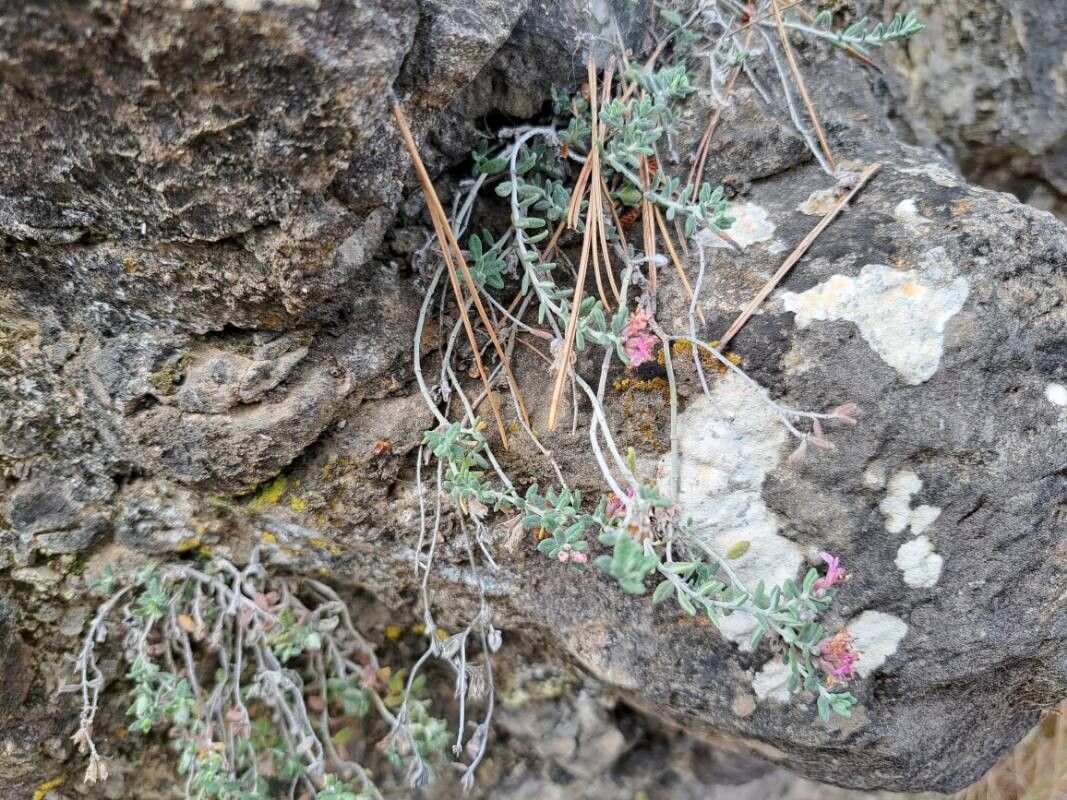
Oh, hello there! Come on in and grab a mug. It’s so lovely to have you. Today, we’re going to chat about a plant I’ve grown to adore: Teucrium buxifolium, often called Wall Germander or sometimes just a lovely little shrubby germander. It’s got these perfectly neat, glossy, boxwood-like leaves, and in the summer, it’s absolutely smothered in the most delightful little white and pink flowers. It smells wonderful, too – a really fresh, herbal scent.
Propagating Teucrium buxifolium is an absolute joy for me, and I think you’ll find it incredibly rewarding. It’s also a fantastic plant to try if you’re new to the propagating game. We’ll get plenty of little baby plants to share, or to fill in those little gaps in your garden.
The Best Time to Start
When it comes to getting the highest success rate with your Teucrium buxifolium cuttings, I always lean towards late spring to early summer. This is when the plant is actively growing, and the stems have started to mature a bit – they’re not brand new, soft growth, but they’re also not completely woody. Think of it as the “just right” stage. You want stems that are firm but still flexible.
Supplies You’ll Need
Gathering your supplies beforehand makes the whole process so much smoother. Here’s what I usually have on hand:
- Sharp Pruning Shears or a Craft Knife: Cleanliness is key for making nice, smooth cuts.
- Rooting Hormone Powder or Gel: This isn’t strictly necessary for Teucrium buxifolium, as they’re pretty good at rooting on their own, but it can give you an extra boost and speed things up.
- Small Pots or Seed Trays: Make sure they have drainage holes!
- A Good Quality Potting Mix: I like a mix that’s airy and drains well. For cuttings, I often use a blend of seed-starting mix and perlite (about a 50/50 ratio) to ensure excellent drainage.
- A Watering Can or Spray Bottle: For gentle watering.
- Plastic Bags or a Propagation Dome: To create a humid environment.
- Labels and a Marker: So you don’t forget what you planted!
Propagation Methods
Most of the time, I stick with stem cuttings for my Teucrium buxifolium. It’s just so straightforward and reliable.
Stem Cuttings: A Step-by-Step Guide
- Take Your Cuttings: Head out to your Teucrium buxifolium shrub. Using your clean pruning shears, snip off several healthy, non-flowering stems. Aim for pieces that are about 4-6 inches long. Immediately after cutting, I like to remove them from direct sunlight and get them into their propagation setup as soon as possible.
- Prepare the Cuttings: At the bottom of each cutting, remove the lower leaves. You want to have at least an inch or two of bare stem. This prevents leaves from rotting off when they’re in the soil and encourages root growth from the nodes (where the leaves were).
- Apply Rooting Hormone (Optional): If you’re using rooting hormone, moisten the cut end of the stem slightly and then dip it into the powder or gel, shaking off any excess.
- Plant Your Cuttings: Fill your small pots or seed tray with your prepared potting mix. Make a small hole in the center of each pot using a pencil or your finger. Gently insert the prepared cutting into the hole, ensuring the cut end is well within the soil. Firm the soil gently around the stem.
- Water Gently: Give your cuttings a gentle watering. You want the soil to be moist but not waterlogged. I often use a spray bottle for this initial watering to avoid disturbing the cuttings too much.
- Create Humidity: This is where the plastic bag or propagation dome comes in. I like to cover the pots loosely with a clear plastic bag, securing it around the base with a rubber band or a twist tie. If you have a propagation dome, even better! This creates a mini-greenhouse, keeping the humidity high, which is crucial for preventing the cuttings from drying out before they can develop roots. Place the pots in a bright spot but out of direct sunlight.
The “Secret Sauce” (Pro Tips)
Now, for a couple of tricks I’ve picked up over the years. These little things can really make a difference!
- Avoid Leaf Rot: When you’re setting up your cuttings in their pots, make absolutely sure that none of the remaining leaves are touching the soil. If they are, they become a prime spot for rot to set in. Trim them off or adjust the cutting placement.
- Bottom Heat is Your Friend: While Teucrium buxifolium isn’t as fussy as some, providing a little gentle bottom heat can really speed up root formation. A heat mat designed for propagators is fantastic for this. It encourages the roots to start thinking about growing a bit earlier.
Aftercare & Troubleshooting
Once your cuttings are potted up and covered, patience is key. Check on them every few days. You’ll want to lightly mist the foliage if the inside of the plastic bag seems dry, but generally, you want to keep that humid environment.
You’ll know your cuttings have rooted when you see new growth appearing at the top, or if you gently tug on a cutting and feel resistance. This usually takes anywhere from 4 to 8 weeks.
The most common problem you might encounter is rot. If you see a stem turning mushy, black, or smelly, it’s usually a sign of too much moisture and poor air circulation. Unfortunately, that cutting is probably lost, so just remove it and try to assess if your other cuttings have the same issue. Sometimes, it’s a matter of adjusting your watering or ensuring better drainage.
Once your cuttings have a good root system and you see new top growth, you can start to acclimate them to normal conditions. Gradually lift the plastic bag for longer periods each day, and then remove it entirely. Water them from the top when the soil surface feels dry. You can then pot them up into slightly larger individual pots.
Happy Propagating!
There you have it! Propagating Teucrium buxifolium is a simple and deeply satisfying way to expand your garden. Remember to be patient, keep things clean, and don’t be discouraged if a cutting or two doesn’t make it. You’ll be amazed at how many new plants you can create with this lovely shrub. Enjoy the process, and happy gardening!
Resource:
https://identify.plantnet.org/k-world-flora/species/Teucrium%20buxifolium%20Schreb./data