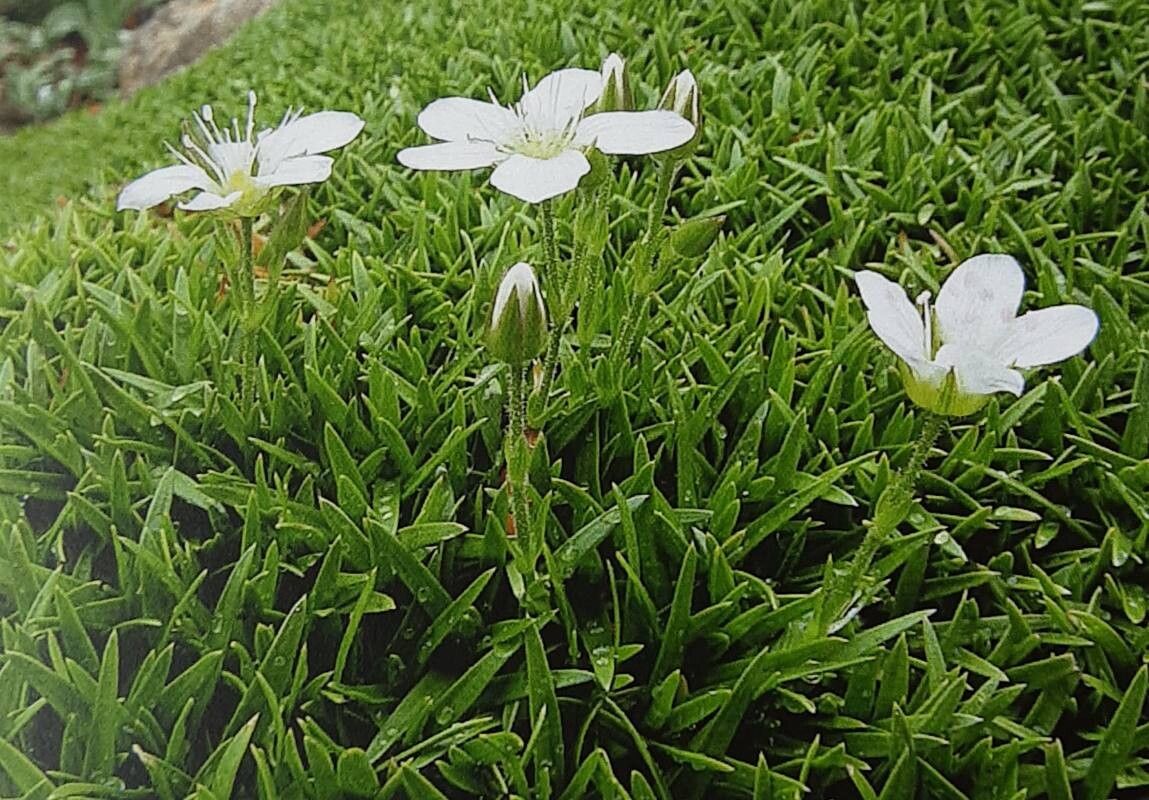
Oh, hello there, fellow garden enthusiast! I’m so glad you’ve stopped by. Today, we’re diving into the wonderful world of propagating McNeilia stellata, or as I affectionately call her, “Star Petal.” She’s a real gem, isn’t she? With those delicate, star-shaped blooms and that lovely, often subtly variegated foliage, she brings such a touch of ethereal beauty to any space. And the best part? Bringing more Star Petals into existence is a truly rewarding endeavor. While she’s not exactly a beginner’s plant that you can just stick anywhere and have it thrive, she’s absolutely within reach for anyone willing to give her a little focused attention. Don’t let that deter you; the satisfaction of seeing those tiny roots emerge is just chef’s kiss!
The Best Time to Start
For McNeilia stellata, the sweet spot for propagation is undeniably late spring to early summer. This is when the plant is really hitting its stride, fresh growth is abundant, and the days are getting longer and warmer. You want to take cuttings or divide when the plant is actively growing, not when it’s stressed or entering dormancy. Think of it like this: you’re catching her at her most vigorous, optimistic moment!
Supplies You’ll Need
Gathering your supplies beforehand makes the whole process so much smoother. Here’s what I always have on hand:
- Clean, sharp pruning shears or a knife: Crucial for making clean cuts that heal well.
- Potting mix: A well-draining mix is key. I often use a blend of perlite or coarse sand with my regular potting soil, or even a specialized succulent/cactus mix.
- Small pots or trays: Make sure they have drainage holes.
- Rooting hormone (optional but highly recommended): This really gives your cuttings a boost.
- Clear plastic bag or cloche: To create a humid environment for cuttings.
- Spray bottle: For gentle misting.
- Labels: So you don’t forget what you planted where!
Propagation Methods
McNeilia stellata is quite amenable to a couple of propagation techniques, but my go-to is stem cuttings. It’s reliable and provides you with almost immediate results.
Stem Cuttings:
- Select your stem: Look for healthy, non-flowering stems that are about 4-6 inches long. You want stems that are firm but still somewhat pliable – not too woody and not too leggy.
- Make the cut: Use your clean, sharp tool to make a cut just below a leaf node. This is where the magic happens, as roots are more likely to form from these areas.
- Prepare the cutting: Gently remove the lower leaves from the cutting. You can leave 2-4 leaves at the top, but any leaves below the soil line will just rot.
- Apply rooting hormone (optional): If you’re using it, dip the cut end of the stem into the rooting hormone powder or gel, tapping off any excess.
- Planting: Make a small hole in your prepared potting mix with your finger or a pencil. Insert the cut end of the stem into the hole, ensuring the leaf nodes are below the surface. Gently firm the soil around the stem.
- Water and cover: Water the soil gently until it’s evenly moist but not waterlogged. Then, cover the pot or tray with a clear plastic bag or a cloche to create a mini-greenhouse. This keeps the humidity high, which is essential for root formation.
Division:
If your McNeilia stellata has gotten a bit crowded in its pot and is producing multiple offsets, division is a great option.
- Gently remove the plant: Carefully take the entire plant out of its pot.
- Inspect the root ball: You’ll often see distinct clumps or separate growth points.
- Separate the divisions: Gently tease apart the root ball with your fingers or a clean knife to separate the plant into smaller sections. Each division should have some roots and at least one healthy stem with leaves.
- Pot up separately: Pot each division into its own small container with fresh, well-draining potting mix.
- Water and settle: Water them in well and allow them to settle.
The “Secret Sauce” (Pro Tips)
Here are a couple of things I’ve learned over the years that can really make a difference:
- Don’t be afraid of a little “scarring”: If you think a stem cutting might be a bit too soft, I sometimes give the very bottom cut end a very gentle scrape with my fingernail or the back of my knife. This exposes a bit more of the cambium layer, which can encourage rooting. Just a whisper of scraping, mind you!
- Bottom heat is your friend: Especially if your house is on the cooler side or you’re trying this a little earlier in the season, placing your pots on a heating mat designed for seedlings can significantly speed up the rooting process. It mimics the warmth of spring soil beautifully.
- Patience with the misting: While humidity is key, don’t go overboard with misting the leaves of the cuttings themselves. It’s better to mist the inside of the plastic bag periodically. Excess moisture sitting on leaves, especially overnight, can invite fungal issues.
Aftercare & Troubleshooting
Once you see signs of new growth, it’s a good indicator that roots are forming! This usually takes anywhere from 2 to 6 weeks, depending on the conditions. Resist the urge to tug on the cutting to “check” for roots – you’ll only damage them.
- Gradual Acclimation: Once you see roots, begin gradually acclimating your new McNeilia stellata to lower humidity. Start by opening the plastic bag a little each day, then remove it for longer periods.
- Watering: Water when the top inch of soil feels dry. It’s always better to underwater slightly than to overwater at this stage.
- Light: Place the new plants in bright, indirect light. Direct sun can be too intense for these tender youngsters.
- Troubleshooting: The most common enemy is rot. If you see a cutting turning mushy, blackening, or wilting dramatically, it’s likely succumbed to rot. This is usually due to too much moisture and not enough air circulation. If it’s just one or two, remove them promptly and evaluate your watering and humidity levels. If a whole batch goes, don’t be discouraged! Reassess your soil mix, your watering habits, and try again.
A Little Encouragement
Propagating plants is all about learning and observing, and McNeilia stellata is a wonderful teacher. Be patient with yourself and with her. Some cuttings will take off like rockets, while others might be a bit more stubborn. Every attempt is a learning experience. So, grab your tools, find a lovely stem, and enjoy the quiet, hopeful work of coaxing new life from your beloved Star Petal. Happy gardening!
Resource: