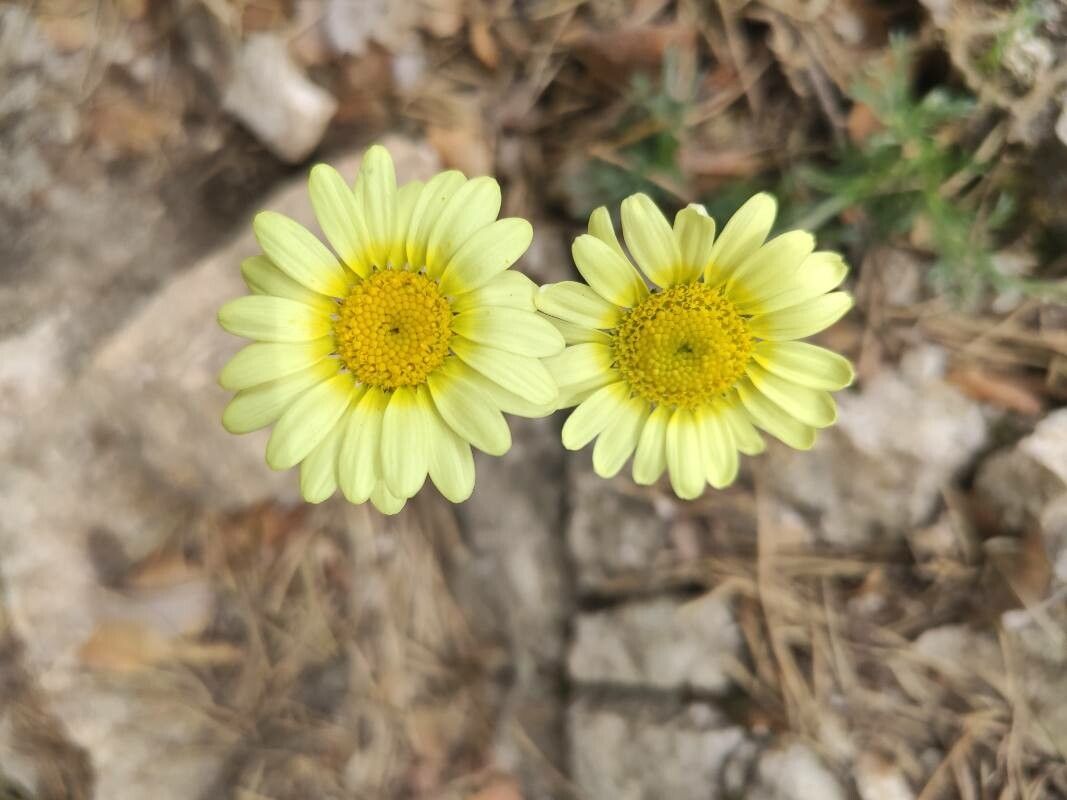
Hello there, fellow garden enthusiasts! Today, I want to chat about a little gem that brings such a cheerful, daisy-like charm to any spot: Leucanthemopsis pectinata. If you haven’t met this beauty, imagine delicate, finely-cut foliage topped with charming white blooms that look like tiny stars scattered across the garden. It’s a real ray of sunshine, and truthfully, propagating it is a journey that’s surprisingly rewarding. For beginners, I’d say it’s a moderately easy plant to work with. With a little patience and these tips, you’ll be well on your way to enjoying even more of these lovely blooms.
The Best Time to Start
For the highest success rate with Leucanthemopsis pectinata, I always aim for late spring to early summer. This is when the plant is actively growing and has plenty of energy to put into developing new roots. You want to take cuttings from healthy, non-flowering stems. If you’re dividing, the same timeframe works beautifully, right after it finishes its initial flush of blooms.
Supplies You’ll Need
Gathering your supplies beforehand makes the whole process smoother. Here’s what I usually have on hand:
- Sharp pruning shears or a clean, sharp knife: For making clean cuts that heal better.
- Rooting hormone (optional but recommended): A good quality powder or gel can give your cuttings a helpful boost.
- Potting mix: A blend of equal parts peat moss and perlite or coarse sand is ideal. This ensures excellent drainage, which is crucial for avoiding rot. For divisions, a good quality potting soil will work just fine.
- Small pots or seed trays: Clean ones are a must to prevent disease.
- Watering can with a fine rose or a spray bottle: For gentle watering.
- Clear plastic bags or a propagator: To create a humid environment.
- Labels and a permanent marker: To keep track of what you’ve potted!
Propagation Methods
Let’s get our hands dirty! Here are a couple of reliable ways to make more Leucanthemopsis pectinata.
Stem Cuttings
This is my go-to method for this plant.
- Take your cuttings: In late spring or early summer, select healthy, vigorous stems that are not in bloom. Look for stems that are about 4-6 inches long. Using your sharp shears, make a clean cut just below a leaf node (where a leaf attaches to the stem).
- Prepare the cuttings: Gently remove the lower leaves from the bottom half of the stem. You want to expose at least one or two leaf nodes that will be buried in the soil.
- Apply rooting hormone: If you’re using it, dip the cut end of the stem into the rooting hormone powder or gel, tapping off any excess. This helps stimulate root development.
- Plant the cuttings: Fill your clean pots or trays with the well-draining potting mix. Make a small hole in the center with your finger or a pencil. Insert the cut end of the stem into the hole, ensuring that at least one leaf node is below the surface of the soil. Gently firm the soil around the stem.
- Water gently: Water thoroughly but avoid waterlogging. The soil should be moist, not soggy.
- Create humidity: Cover the pots with a clear plastic bag or place them in a propagator. This traps moisture and creates a mini greenhouse effect, which is vital for cuttings. Make sure the leaves do not touch the plastic bag. You can use small stakes to prop it up.
- Place in bright, indirect light: Find a spot that receives bright, indirect light. Avoid direct sun, which can scorch the young cuttings.
Division
This is a fantastic option, especially for an established clump.
- Gently dig up the plant: In late spring or early summer, carefully dig around the base of the established Leucanthemopsis pectinata plant. You want to lift it out of the soil with as much of its root ball intact as possible.
- Divide the root ball: Gently shake off some of the excess soil so you can see the root structure. Using your hands or a clean, sharp knife, carefully separate the clump into smaller sections. Each section should have plenty of healthy roots and at least a few growing points or shoots.
- Replant immediately: Dig new holes in your garden or pots where you want your new plants to go. The holes should be large enough to accommodate the root system. Place the divided sections in the holes, ensuring the top of the root ball is level with the surrounding soil.
- Water well: Water thoroughly after planting to help settle the soil around the roots.
The “Secret Sauce” (Pro Tips)
Here are a few little tricks that have always worked wonders for me:
- Don’t let the leaves touch the water: When using stem cuttings in water (though I prefer soil for this plant), make sure the leaves are well above the water level. Leaves submerged in water are prone to rot and can carry diseases.
- Bottom heat is your friend: For stem cuttings, placing your pots on a heated propagator mat can significantly speed up root formation. It mimics the warmth of summer soil and encourages roots to form more quickly.
- Don’t be afraid to pinch: Once your stem cuttings have developed roots and you see new growth, you can pinch off the tip of the main stem. This encourages the plant to branch out, resulting in a bushier, more attractive plant.
Aftercare & Troubleshooting
Once your cuttings have rooted (you can check by giving them a gentle tug; resistance means roots!) or your divisions are replanted, the real care begins.
- Gradually acclimate cuttings: Once you see new leaf growth on your stem cuttings, it’s time to start acclimatizing them to less humid conditions. Gradually open the plastic bag a little more each day over a week before removing it completely.
- Water regularly: Keep the soil consistently moist but not waterlogged. As the plants grow stronger, you can water them less frequently, allowing the top inch of soil to dry out slightly between waterings.
- Watch for rot: The most common problem is rot, which usually happens from overwatering or poor drainage. If your cuttings start looking limp, mushy, or develop black spots, it’s a sign of rot. Unfortunately, severely rotted cuttings are usually lost. To prevent it, always ensure good air circulation and use that well-draining mix!
- Patience is key: Rooting can take anywhere from 2-6 weeks, depending on the conditions. Don’t get discouraged if you don’t see immediate results.
A Little Encouragement
Propagating Leucanthemopsis pectinata is a wonderful way to multiply your joy in the garden. It’s a process that connects you more deeply with your plants and gives you the immense satisfaction of creating new life. So, be patient, observe your cuttings closely, and most importantly, enjoy the journey. Happy gardening!
Resource: