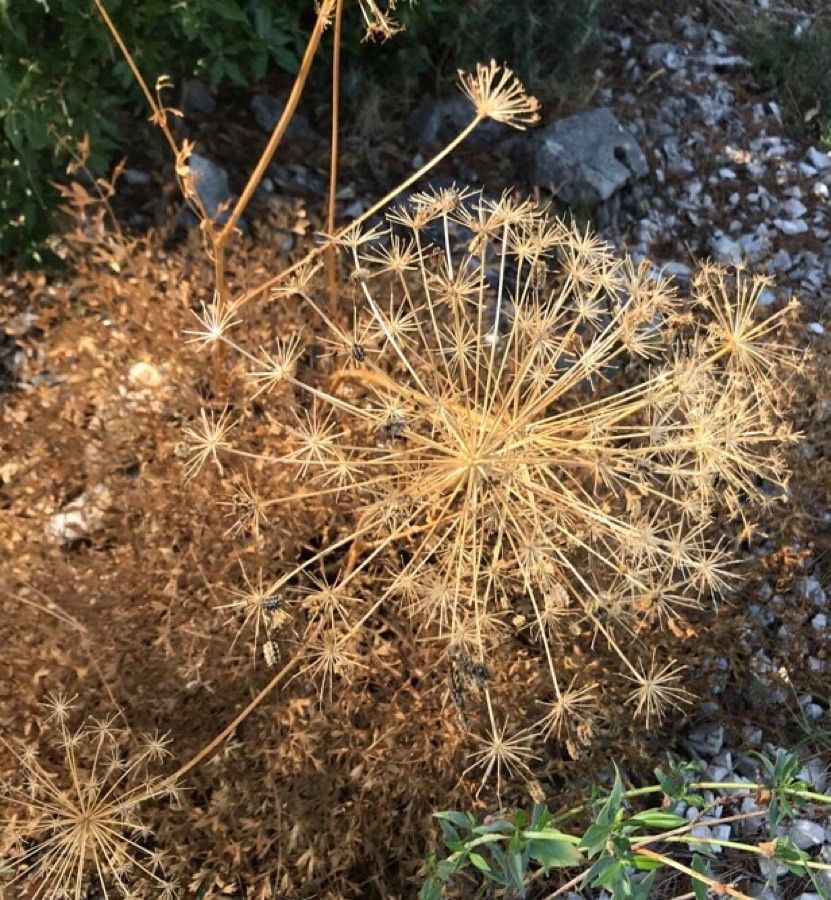
Hello fellow plant lovers! I’m so glad you’ve stopped by. Today, we’re diving into the wonderful world of propagating Silene montanum, or Rock Catchfly. If you’re drawn to its delicate, star-like pink flowers and its charming ability to tumble over walls and rocks, you’re in for a treat. Propagating this beauty is a truly rewarding endeavor, allowing you to fill your garden, or share with friends, without having to buy new plants. And don’t worry, while it has a few quirks, it’s definitely manageable for beginners with a little guidance.
The Best Time to Start
For the highest success rate with Silene montanum, I find late spring to early summer is absolutely ideal. This is when the plant is in its active growing phase, and cuttings taken now will have plenty of energy to develop roots. You’re looking for healthy, non-flowering shoots – basically, vibrant new growth.
Supplies You’ll Need
Gathering your supplies beforehand makes the whole process so much smoother. Here’s what I keep on hand:
- Sharp pruning shears or a clean knife: For making clean cuts.
- Small pots or seed trays: With drainage holes, of course!
- A good quality potting mix: I like a blend that’s light and airy – a mix of peat moss, perlite, and a little sand works wonders. You want it to drain well.
- Rooting hormone (optional but recommended): A powder or gel can give your cuttings a helpful boost.
- Watering can or spray bottle: For gentle watering.
- A small plastic bag or propagator lid: To create a humid environment.
- Labels: To keep track of what you’ve planted (trust me, it’s easy to forget!).
Propagation Methods
Silene montanum is quite adaptable, but my go-to methods are stem cuttings and division.
Stem Cuttings
This is likely the most common and successful way to propagate Rock Catchfly.
- Take your cuttings: In late spring or early summer, select healthy, non-flowering stems. Gently pull or make a clean cut just below a leaf node (that little bump where a leaf attaches to the stem). Aim for cuttings that are about 3-4 inches long.
- Prepare the cuttings: Carefully remove the lower leaves from the cutting, leaving just the top few leaves intact. If a leaf is very large, you can even cut it in half horizontally to reduce water loss.
- Apply rooting hormone (optional): Dip the cut end of the stem into your rooting hormone powder or gel. Tap off any excess.
- Pot them up: Fill your small pots or trays with your prepared potting mix. Make a small hole with your finger or a pencil and gently insert the cutting, ensuring the bottom nodes are buried in the soil. Firm the soil gently around the base of the cutting.
- Water gently: Water the soil thoroughly but gently. You don’t want to dislodge your cuttings.
- Create humidity: Cover the pots with a plastic bag or a propagator lid. This is crucial for keeping the cuttings from drying out. Make sure the leaves aren’t touching the plastic if possible.
- Place them in a bright spot: Find a location with bright, indirect light. Direct sun will scorch them.
Division
If you have an established clump of Silene montanum that’s looking a bit tired or overcrowded, division is a great way to rejuvenate it and get new plants.
- Dig up the clump: In early spring, before it gets too vigorous, gently dig up the entire plant.
- Gently tease apart the roots: With your hands or a trowel, carefully separate the clump into smaller sections. Each section should have healthy roots and some leafy shoots.
- Replant immediately: Plant the divisions back into your garden or into pots with fresh potting mix, ensuring the crown (where the roots meet the shoots) is at soil level.
- Water well: Water thoroughly after planting.
The “Secret Sauce” (Pro Tips)
Here are a couple of things I’ve learned over the years that really seem to make a difference:
- Don’t let those leaves touch the water! For stem cuttings, if the lower leaves are sitting in water, they’re just going to rot. Snip them off or ensure they’re held above the soil line within your humidity dome.
- Bottom heat is your friend. If you have a heat mat designed for seedlings or cuttings, placing your pots on it can significantly speed up root development. It mimics the warmth of the soil in summer.
- For cuttings that seem a little “wilty” before rooting, a light misting of water applied to the leaves every so often can help them perk up, as long as you’ve got that humidity cover on.
Aftercare & Troubleshooting
Once you see new growth appearing on your cuttings, that’s a good sign roots are forming! You can gently tug on a cutting; if there’s resistance, it’s likely rooted.
- Gradual acclimatization: Slowly begin to remove the plastic bag or lid for increasing periods over a week or two. This helps the new plant adjust to normal room humidity.
- Watering: Keep the soil consistently moist but not waterlogged. Let the top layer of soil dry out slightly between waterings.
- Transplanting: Once your new plants are a good size and have a strong root system (you’ll see roots peeking out of the drainage holes), you can transplant them into larger pots or their final garden spot.
A common problem you might encounter is rot. This usually happens from overwatering or poor drainage, creating a too-wet environment. If you see a cutting turning black and mushy, it’s best to discard it. Prevention is key: use well-draining soil and water mindfully.
A Little Encouragement
Propagating plants is a journey, and it’s not always perfect. Some cuttings will take, some won’t, and that’s perfectly okay! Be patient with your little Rock Catchflies, enjoy the process of nurturing them, and celebrate every new root and leaf. Happy gardening!
Resource:
https://identify.plantnet.org/k-world-flora/species/Siler%20montanum%20Crantz/data