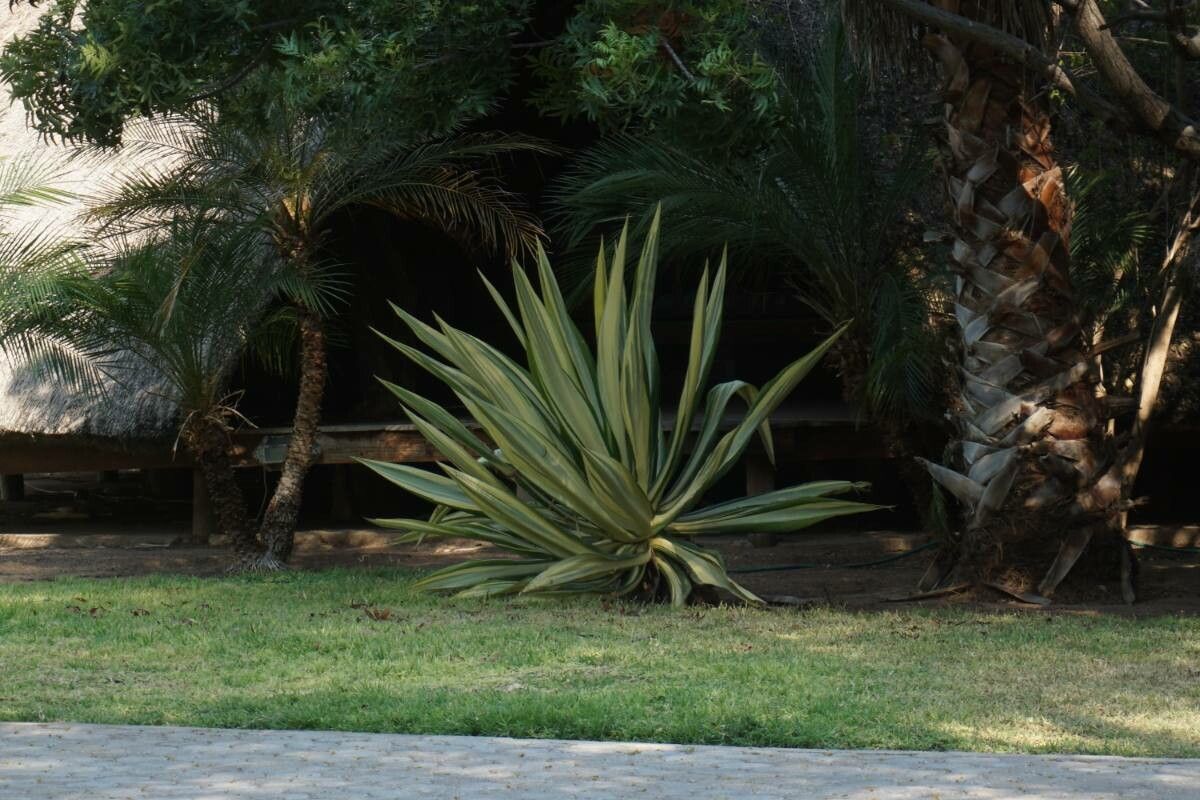
Hello fellow plant lovers! Let’s talk about one of my absolute favorite desert dwellers: the Agave fourcroydes. These magnificent plants, with their architectural rosettes and dramatic spikes, bring a touch of the exotic to any garden. And the best part? You can easily multiply them! Propagating agave is a truly rewarding experience, like watching a tiny promise of the future sprout right before your eyes. For beginners, I’d say it’s moderately easy. There’s a little technique involved, but with a few pointers, you’ll be a pro in no time.
When is the Best Time to Get Started?
The sweet spot for propagating Agave fourcroydes is generally during its active growing season. Think late spring through summer. This is when the plant has ample energy to heal from cuttings and to put out those crucial new roots. You’re looking for a healthy, mature plant that’s already pushing out offsets – those adorable little pups around its base. Trying to propagate when the plant is dormant is like trying to push a boulder uphill; it’s just not going to be as successful.
What You’ll Need for Success
Gathering your supplies beforehand makes the whole process smooth sailing. Here’s what I always have on hand:
- Sharp Pruning Shears or a Clean Knife: For making clean cuts. A dull tool can damage the plant.
- Gloves: Agave leaves have sharp edges and can be tough on the skin.
- Potting Mix: A well-draining cactus and succulent mix is essential. You can also make your own by combining equal parts potting soil, perlite, and coarse sand.
- Pots or Trays: Ensure they have drainage holes. Terracotta pots are great because they breathe.
- Rooting Hormone (Optional but Recommended): This can give your cuttings a helpful boost.
- Watering Can or Spray Bottle: For gentle watering.
- A Sunny Spot: For your propagation efforts.
Bringing New Agaves to Life: Propagation Methods
Agave fourcroydes are champions at producing what we call pups or offsets. These are miniature versions of the parent plant that grow from the base. This is the easiest and most common way to propagate them.
- Locate the Pups: Gently clear away some of the soil around the base of your mature agave to see where the pups are attached. You’re looking for pups that are at least a few inches wide and have their own root system starting to form – you might even see tiny nubs of roots.
- Carefully Detach the Pup: Using your clean pruning shears or knife, make a clean cut as close to the mother plant as possible. Try to get as much of the pup’s base, including any developing roots, as you can.
- Let it Callus: This is a critical step! Place the detached pup in a warm, dry, and shaded spot for a few days to a week. You want the cut end to form a callus, like a scab. This prevents rot when you plant it. Don’t rush this!
- Plant Your Pup: Once the cut end has callused over, lightly dip it in rooting hormone if you’re using it. Then, plant the pup in your well-draining potting mix. Don’t bury it too deep; just enough to stand upright on its own.
- Resist Watering Immediately: Wait about a week after planting before giving it its first light watering. This gives any tiny, damaged rootlets a chance to heal without being exposed to moisture.
My “Secret Sauce” for Extra Success
Over the years, I’ve picked up a few tricks that seem to really make a difference:
- The Bottom Heat Trick: For the pups you’re rooting from cuttings, placing the pot on a gentle heating mat can significantly speed up root development. Agaves love warmth, and bottom heat mimics the feel of their native soil. Just make sure it’s not too hot – a gentle warmth is all you need.
- Don’t Drown Your Hopes: When you do water your newly planted pups, be very conservative. Overwatering is the number one killer of propagated succulents. Wait until the soil is completely dry before watering again. A light misting occasionally is better than a drenching.
- Think Sanitation is Key: Always clean your tools before and after use. A quick wipe with rubbing alcohol or a bleach solution helps prevent the spread of any potential diseases to your precious new plants.
Aftercare and What to Watch For
Once your pup starts to show signs of growth – maybe a new leaf unfurling or the rosette looking perkier – you know it’s settling in. Continue to water sparingly when the soil is dry. As it grows, you can gradually introduce it to more sunlight.
Troubleshooting is part of the journey! The most common issue you’ll face is root rot. If your pup starts to look mushy, yellow, or turns black at the base, it’s likely rot. If you catch it early, you might be able to cut away the rotten parts, let the healthy piece callous over again, and try replanting. If it’s gone too far, don’t be discouraged. Sometimes, nature just doesn’t cooperate, and that’s okay!
Happy Propagating!
So there you have it! Propagating Agave fourcroydes is a wonderfully satisfying way to expand your collection without breaking the bank. Be patient, observe your little ones, and trust the process. There’s a special joy in nurturing a new life from a piece of an old friend. Enjoy watching your new agaves grow tall and proud!
Resource:
https://identify.plantnet.org/k-world-flora/species/Agave%20fourcroydes%20Lem./data