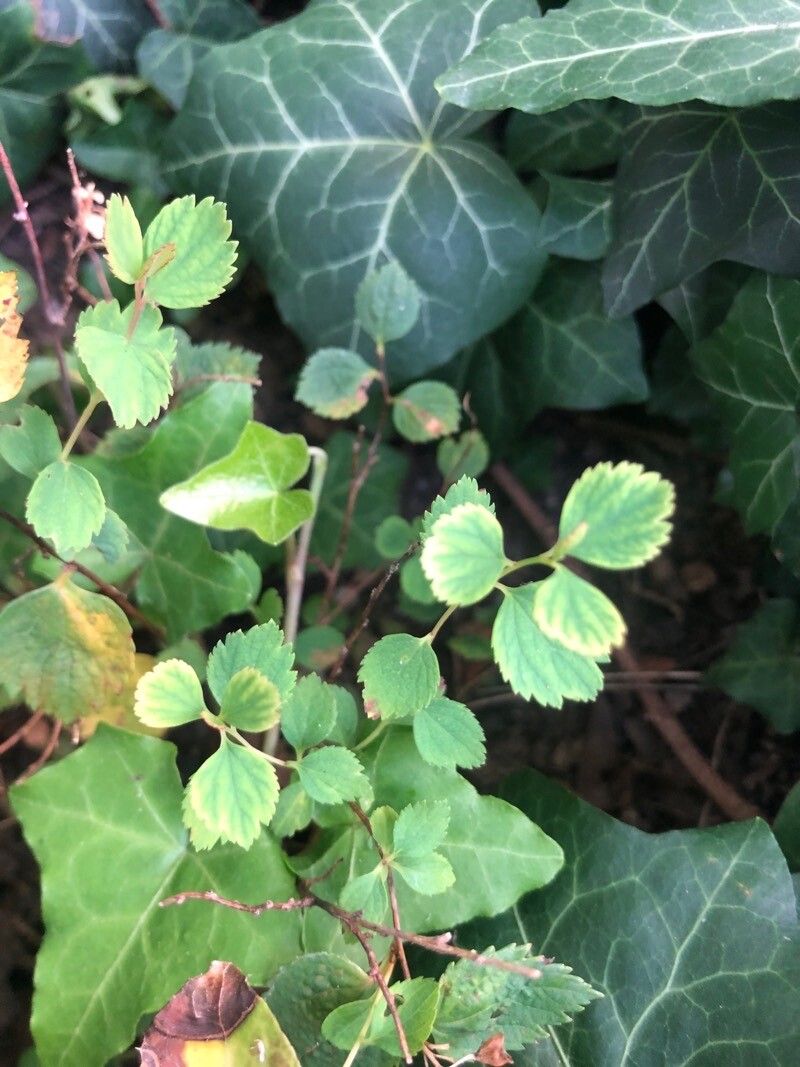
Oh, Spiraea morrisonicola! If you haven’t met this beauty yet, imagine a cascade of delicate, blush-pink flowers tumbling over a mounding shrub. It’s just gorgeous in the spring and early summer, adding such a charming touch to any garden. And the best part? Growing more of them from your existing plant is incredibly satisfying. You might even find it surprisingly simple; I’d say it’s a pretty beginner-friendly plant to propagate.
The Best Time to Start
For the most success, I always reach for my pruning shears in late spring to early summer. This is when the new growth is starting to get a bit firm but hasn’t fully hardened off. Think of it as that perfect “snap” – not floppy soft, but not woody hard either. This tender, yet mature, softwood is eager to root.
Supplies You’ll Need
Before we dive in, let’s gather our tools. Having everything ready makes the whole process much smoother.
- Pruning shears or sharp knife: Clean, sharp tools are crucial to avoid damaging the cuttings.
- Rooting hormone: This is a game-changer! It significantly increases your chances of successful rooting. Powder or gel works well.
- An inert rooting medium: I love using a 50/50 mix of perlite and peat moss or coco coir. It drains beautifully, which is key to preventing rot. You can also buy pre-made propagation mixes.
- Small pots or trays: Make sure they have drainage holes.
- Plastic bags or propagation dome: This creates a humid environment for your cuttings.
- Watering can or spray bottle: For gentle watering.
- Sharpie and labels: To keep track of what you’ve planted!
Propagation Methods
Stem cuttings are your best bet here. It’s straightforward and gives you a great success rate if you follow a few simple steps.
- Take the Cuttings: On a cloudy day (or in the early morning), use your clean pruners to take tip cuttings about 4-6 inches long from healthy, non-flowering stems. Make a clean cut just below a leaf node (where a leaf attaches to the stem).
- Prepare the Cuttings: Gently strip off the lower leaves, leaving just a few at the very top. If your cutting is very long, you can trim the remaining leaves in half horizontally to reduce water loss.
- Apply Rooting Hormone: Dip the cut end of each stem into your rooting hormone, tapping off any excess. This helps stimulate root development.
- Plant Your Cuttings: Fill your pots or trays with your moistened rooting medium. Make a small hole in the medium with a pencil or your finger, and gently insert the prepared cutting, ensuring the leaf nodes are below the surface. Firm the medium gently around the stem.
- Create a Humid Environment: Water the medium lightly. Then, cover the pots or trays with a clear plastic bag or place them under a propagation dome. Poke a few holes in the bag or lift the dome lid daily for a bit of air circulation.
The “Secret Sauce” (Pro Tips)
Here are a few things I’ve learned over the years that really give your cuttings an edge.
- Don’t let the leaves touch the water in the pot. Once you’ve planted your cuttings, if the leaves are dipping down into any standing water at the bottom of the pot, they can start to rot. Make sure the entire cutting above the soil line is exposed to air.
- Bottom heat is your friend! If you have a heat mat designed for seedlings, placing your pots on it can make a huge difference. Warmer soil encourages faster root development. You’ll usually need to keep the humidity high for about three weeks, and the heat just speeds things along.
- Choose your cuttings wisely. Look for stems that have a good balance – not too thin and floppy, but not so thick and woody that they’re hard to root. Those that have just finished flowering are often perfect candidates.
Aftercare & Troubleshooting
Once your cuttings are planted and covered, place them in a bright location out of direct sunlight. Keep the rooting medium consistently moist, but not waterlogged. You’ll know they’re rooting when you see new leaf growth after a few weeks, or when you gently tug on a cutting and feel a bit of resistance. This generally takes 3-6 weeks.
The biggest issue you might face is rot. If your cuttings turn black and mushy, it’s usually a sign of too much moisture and not enough air circulation. Don’t be discouraged! Just discard the rotted cuttings and try again, making sure to improve your watering and ventilation next time.
A Little Patience Goes a Long Way
Growing new plants from cuttings is such a rewarding journey. It connects you more deeply with your garden and lets you share the beauty of your Spiraea with friends and family. Be patient, observe your cuttings, and enjoy the magic of them taking root. Happy propagating!
Resource:
https://identify.plantnet.org/k-world-flora/species/Spiraea%20morrisonicola%20Hayata/data