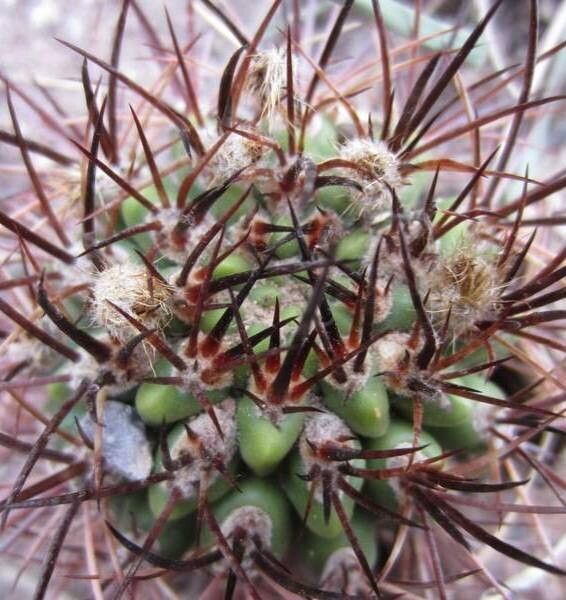
Hello there, fellow plant lovers! I’m so excited to chat with you today about a particularly charming cactus: Gymnocalycium schickendantzii. If you’ve ever admired its ribbed body and delicate flowers, you’re in for a treat. Propagating these beauties is not only a fantastic way to expand your collection but also deeply rewarding. For those just starting out, I’d say Gymnocalycium schickendantzii is quite beginner-friendly, especially when you use the right methods.
The Best Time to Start
When is the magic window for propagating our spiny friends? I’ve found the late spring and early summer to be your absolute best bet. This is when the plant is actively growing and has the most energy to put into developing roots. You’ll want to start when the pups or segments you’re taking are healthy and plump, not during its dormant period.
Supplies You’ll Need
Gathering your tools before you begin makes the whole process smoother. Here’s what I recommend:
- Well-draining potting mix: A cactus and succulent mix is ideal. You can also make your own by combining equal parts potting soil, coarse sand, and perlite.
- Sharp, sterilized pruning shears or a clean knife: For making clean cuts.
- Rooting hormone (optional but recommended): This helps speed up root formation. Look for one specifically for cacti and succulents.
- Clean pots or trays: With drainage holes, of course!
- A gentle spray bottle: For occasional misting.
- Gloves (optional): If you prefer a bit more protection from those spines.
Propagation Methods
Let’s get down to business! For Gymnocalycium schickendantzii, the easiest and most successful methods usually involve taking small pieces.
1. Stem Cuttings (or Segment/Pup Removal):
This is my go-to method for these cacti. You’ll often see smalloffsets, or “pups,” forming at the base of the mother plant, or the main body might produce smaller segments.
- Step 1: Gently Detach: Using your sterilized shears or knife, carefully cut away a healthy pup or segment. Try to get a clean cut right where it attaches to the mother plant. If you’re taking a segment from the main body, aim for a clean, flat surface.
- Step 2: Let Them Callus: This is crucial! Place the detached segment on a paper towel or in a shallow tray in a dry, well-ventilated spot, out of direct sunlight. You need to let the cut end dry and callus over. This can take anywhere from a few days to a week or even two, depending on humidity and temperature. You’ll see a dry, scar-like layer form.
- Step 3: Plant the Cutting: Once callused, you can plant (or rather, rest) your cutting. Gently insert the callused end about half an inch to an inch into your prepared potting mix. Don’t bury it deeply; just ensure it has contact with the soil.
- Step 4: Patience is Key: Do not water immediately. Wait at least another week before giving it its first light watering. You want to encourage the roots to seek out moisture.
The “Secret Sauce” (Pro Tips)
Here are a few things I’ve learned over the years that make a big difference:
- Don’t be afraid of a little “scar tissue”: As I mentioned, that callusing step is your best friend against rot. It looks a bit alarming to a beginner, but it’s essential for success.
- Bottom heat is your friend: If you can, placing your newly potted cuttings on a gentle seedling heat mat can dramatically speed up root development. Cacti love a bit of warmth from below!
- Observe, don’t over-handle: Once planted, resist the urge to constantly tug at your cuttings to “check for roots.” This can damage delicate new growth. Trust the process and look for signs like slight growth at the tip or a bit of resistance when gently nudged.
Aftercare & Troubleshooting
Once you see signs of new growth, congratulations! You’re on your way.
- Gradual Watering: Start with very light watering. The soil should be slightly moist, not soggy. As roots establish, you can gradually increase watering frequency, but always allow the soil to dry out between waterings.
- Bright, Indirect Light: Place your new Gymnocalycium in a bright spot, but avoid harsh, direct sunlight, which can scorch delicate new growth.
- Signs of Trouble: The biggest enemy here is rot. If your cutting looks mushy, turns black and soft, or seems to be shrinking away, it’s likely rotting. This usually happens from watering too soon or too much before roots have formed. Unfortunately, if rot sets in, it’s hard to save. You might be able to cut away the rotted part and try callusing and re-rooting, but it’s a long shot. Another sign of failure is if the cutting simply shrivels up without developing roots. This could be due to poor callusing or simply not having enough stored energy.
A Encouraging Closing
Propagating Gymnocalycium schickendantzii is a journey, and like any good garden project, it requires a little patience and a lot of love. Don’t be discouraged if your first attempt isn’t perfect. Each cactus is a unique individual, and understanding their needs is part of the joy. So, grab your tools, embrace the process, and soon you’ll have a whole troop of these wonderful cacti to brighten your windowsill! Happy growing!
Resource: