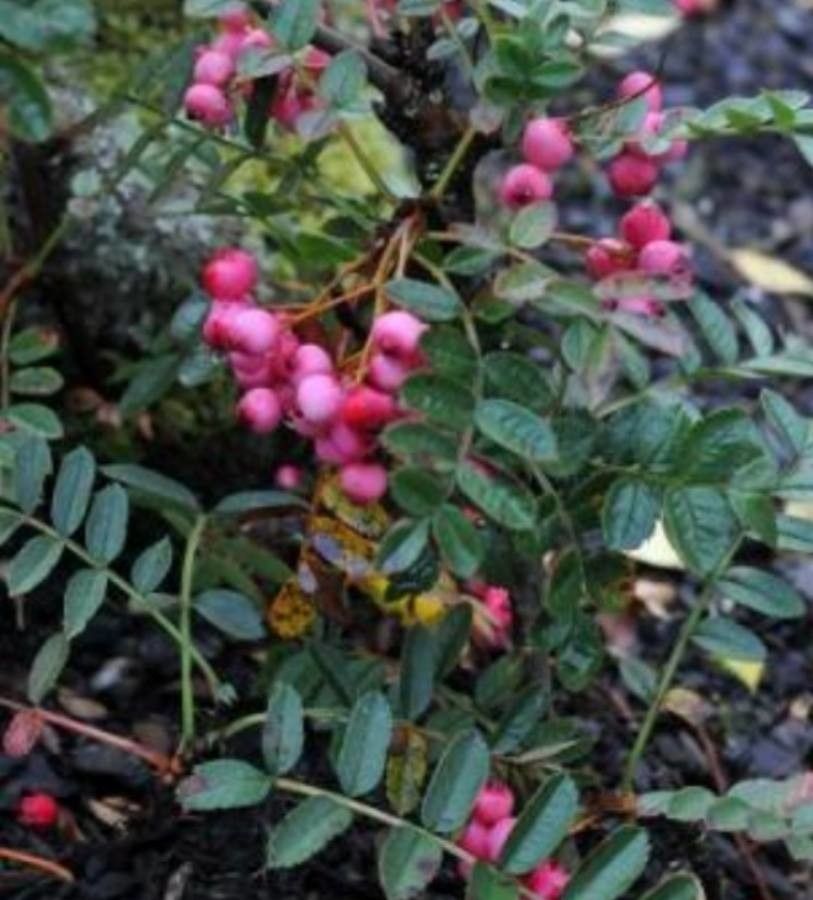
Oh, hello there! Grab a mug of your favorite brew, and let’s chat about a truly delightful little shrub: Sorbus reducta. Sometimes called the dwarf rowan or dwarf mountain ash, this charmer brings such a cheerful splash of color to the garden. Its clusters of white flowers in spring give way to beautiful coral-red berries in autumn, and its small stature makes it perfect for smaller spaces or even containers. Propagating Sorbus reducta is a wonderfully rewarding way to expand your collection or share these beauties with fellow plant lovers. Now, is it a breeze for a total novice? I’d say it’s moderately easy, meaning a little bit of patience and attention goes a long way. You’ll feel such a sense of accomplishment when your own little Sorbus sprouts!
The Best Time to Start
For the highest success rate with Sorbus reducta, I find late spring to early summer is your sweet spot. This is when the plant is actively growing but before the stems have become too woody. We want to work with semi-hardwood cuttings, which have a good balance of flexibility and structure. Waiting until you see new, vibrant growth is key.
Supplies You’ll Need
Here’s what you’ll want to have on hand:
- A sharp, clean pruning shear or craft knife. Sterility is so important to prevent diseases.
- A light, well-draining potting mix. I like to use a blend that’s about 50% peat moss or coir and 50% perlite or coarse sand. This ensures excellent drainage.
- Small pots or trays with drainage holes.
- Rooting hormone (optional, but can give you an extra boost). Look for one suitable for semi-hardwood cuttings.
- A plastic bag or propagator lid to create a humid environment.
- A spray bottle filled with clean water.
- Labels to mark your cuttings – trust me on this!
Propagation Methods
I primarily find success with stem cuttings for Sorbus reducta. It’s straightforward and effective.
Stem Cuttings:
- Take Your Cuttings: In late spring or early summer, select healthy, vigorous shoots from your Sorbus reducta plant. You’re looking for stems that are green but firm. Don’t take anything that’s still very soft and floppy or overly woody.
- Cut to Size: Using your clean pruners or knife, take cuttings that are about 4-6 inches long. Make your cut just below a leaf node (where a leaf attaches to the stem). This is where root-promoting hormones are concentrated.
- Prepare the Cuttings: Gently remove the leaves from the lower half of the cutting. If any leaves are very large, you can snip them in half to reduce water loss through transpiration. Leave just a couple of leaves at the top.
- Apply Rooting Hormone (Optional): If you’re using rooting hormone, dip the cut end of the stem into the powder or gel. Tap off any excess.
- Pot Them Up: Fill your small pots or trays with your prepared potting mix. Make a small hole in the center of the mix with a pencil or your finger.
- Insert the Cuttings: Gently insert the cut end of each cutting into the hole, ensuring the lower leaf nodes are buried in the soil. Firm the soil gently around the stem to provide support.
- Water Gently: Water the potting mix thoroughly but gently. You want the soil to be moist, not waterlogged.
The “Secret Sauce” (Pro Tips)
Here are a few little tricks that I’ve learned over the years that can really make a difference:
- The “Air Layer” Illusion: When you pot your cuttings, try to position them so that the lowest leaves are just above the soil surface. This *avoids the leaves touching the water within the soil**. If leaves sit in constantly damp soil, they’re far more prone to rot and disease before roots even have a chance to form.
- Warmth is the Magic Spark: For those stubborn cuttings, bottom heat can be a game-changer. Placing your pots on a heat mat designed for plant propagation can significantly speed up the rooting process. It encourages root development from below, even if the air temperature isn’t scorching.
- Don’t Overcrowd: Give your cuttings a little breathing room in their pots. Overcrowding can lead to poor air circulation, which, you guessed it, invites problems like fungal diseases.
Aftercare & Troubleshooting
Once your cuttings are potted, the next step is creating the right environment. Mist the cuttings lightly with your spray bottle every day or two to keep the humidity high. Then, cover the pots with a clear plastic bag or a propagator lid. Place them in a bright spot, but out of direct sunlight. Direct sun will cook your little cuttings!
Keep an eye on the moisture levels in the soil. You want it to stay consistently evenly moist, never soggy, and never bone dry.
How to tell they’re rooting? You’ll typically see new leaf growth emerging from the tip. This is a great sign! You can also very gently tug on a cutting. If you feel resistance, roots are forming. This usually takes anywhere from 4 to 8 weeks, sometimes longer.
Now, for the not-so-fun part: troubleshooting. The most common issue you’ll face is rot. If a cutting turns black and mushy, it’s usually a sign of too much moisture and poor air circulation. Sadly, at that point, it’s best to discard it to prevent the rot from spreading. Another sign of failure is if the cutting simply wilts and dries out, which can happen if it’s too dry or exposed to too much sun. Don’t be discouraged! Gardening often involves a bit of trial and error.
A Encouraging Closing
Propagating Sorbus reducta is a journey, and like all good journeys, it’s so much about the process. Be patient with your little sprouts, give them consistent care, and celebrate every tiny sign of success. You’ve got this! Happy gardening!
Resource:
https://identify.plantnet.org/k-world-flora/species/Sorbus%20reducta%20Diels/data