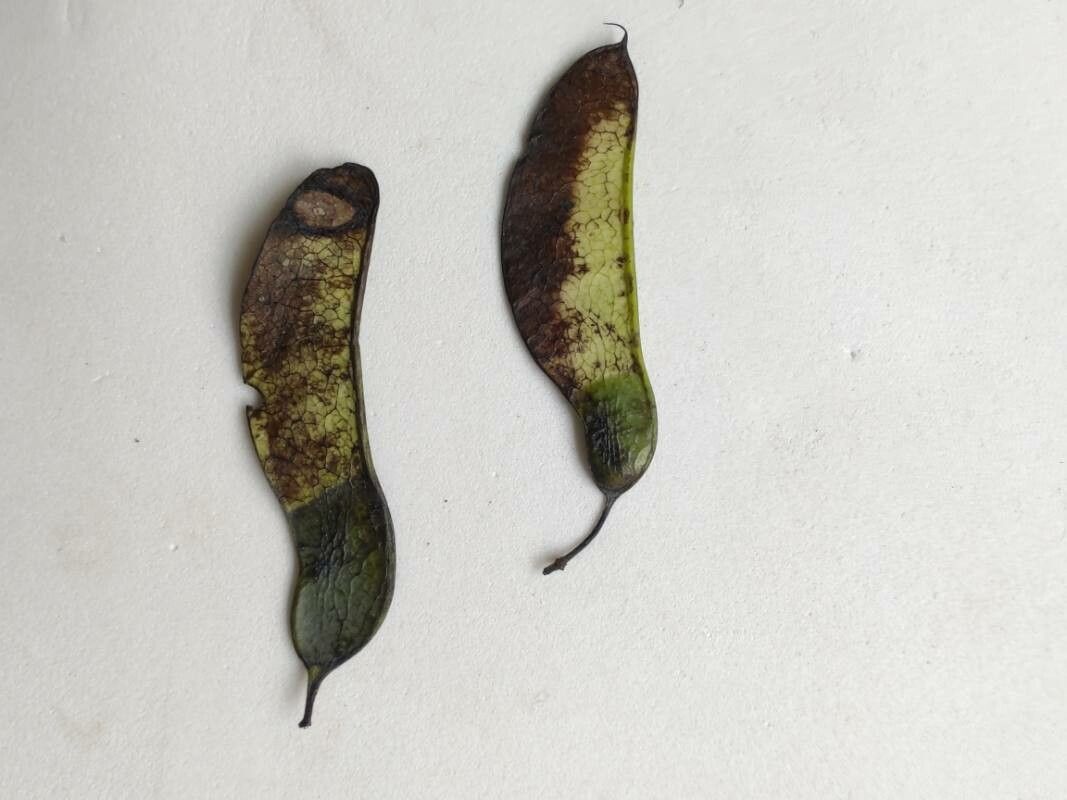
Oh, hello there! Grab a mug, let’s chat about a truly special plant. Today, we’re diving into the wonderful world of Machaerium acutifolium, also sometimes known as the “true mahogany” or “rosewood.” Now, I know that sounds quite grand, but trust me, this tree is more than just its fancy names. Its delicate, feathery foliage and potential for beautiful woody growth make it a real showstopper in the garden, or even as a stunning specimen on a patio. Plus, there’s a special kind of joy that comes from nurturing a brand new plant from just a tiny bit of the parent. It’s like creating life, isn’t it? While Machaerium acutifolium can be a bit of a discerning plant, and might present a touch of a challenge for absolute beginners, don’t let that deter you. With a little patience and these tips, you’ll be well on your way to success.
The Best Time to Start
For the highest success rate with Machaerium acutifolium, I always aim for late spring to early summer. This is when the plant is in its active growth phase, meaning it’s full of energy and vigor. New shoots that have started to harden off, but are still somewhat flexible, are perfect for taking cuttings. Avoid extremely young, soft, floppy growth or old, woody stems that have been around for ages. We want that sweet spot of semi-hardwood.
Supplies You’ll Need
Here’s what you’ll want to have on hand:
- Sharp Pruning Shears or a Clean Knife: A clean cut is crucial for preventing disease.
- Rooting Hormone: I prefer a powdered type, but gels work beautifully too.
- Well-Draining Potting Mix: A good blend is roughly equal parts peat moss (or coco coir), perlite, and a bit of compost. You want it moist but not soggy.
- Small Pots or Seed Trays: Clean pots are a must!
- Plastic Bags or a Propagation Dome: To create a humid environment.
- Watering Can with a Fine Rose: For gentle watering.
- Labels and a Marker: To keep track of your little green babies!
Propagation Methods: By Stem Cuttings
This is my go-to method for Machaerium acutifolium. It’s reliable and gives you the best chance of getting a good number of new plants.
- Select Your Cuttings: Look for healthy stems on your mature plant. You want pieces that are about 4-6 inches long. As I mentioned, the ideal cutting has developed a bit, so it’s not completely floppy but should still snap cleanly rather than bend. Remove any flowers or developing seed pods from the cutting – we want all that energy to go into root development!
- Prepare the Cutting: At the bottom of the cutting, use your sharp shears or knife to make a clean cut just below a leaf node (that little bump where a leaf attaches to the stem). Strip off the leaves from the bottom half of the cutting. If the remaining leaves are very large, you can carefully cut them in half horizontally to reduce water loss through transpiration.
- Apply Rooting Hormone: Dip the cut end of the stem into your rooting hormone, tapping off any excess. This really gives the cutting a fantastic boost.
- Plant Your Cuttings: Fill your clean pots with your prepared potting mix. Make a small hole in the center with your finger or a pencil, then insert the treated end of the cutting into the hole. Gently firm the soil around the stem, ensuring good contact. You can fit several cuttings into one pot if they have enough space.
- Water Gently: Give your newly planted cuttings a gentle watering to settle the soil.
The “Secret Sauce” (Pro Tips)
Here are a few tricks I’ve learned over the years that make a real difference:
- Bottom Heat is Your Friend: If you have an old seedling mat or can place your pots on a warm,sunny windowsill (but not in direct, scorching sun), a bit of bottom heat can significantly speed up root formation. It mimics the warmth of spring soil and encourages those roots to sprout.
- Don’t Let Leaves Touch the Water (if water propagating): While I primarily recommend soil propagation for this plant, if you decide to try water propagation, ensure the leaves of your cutting stay above the waterline. Rot sets in quickly when submerged leaves start to decay. Only the stem nodes should be in the water.
- The “Wiggle Test” is for Later: Resist the urge to tug on your cuttings to see if they have roots too early! You’ll just damage any delicate new growth. Patience is key here.
Aftercare & Troubleshooting
Once your cuttings are planted, it’s time to create the right environment.
- Create a Humid Environment: Cover your pots with a plastic bag or a clear propagation dome. Make sure the leaves aren’t touching the plastic if possible. Place them in bright, indirect light. Avoid direct sunlight, which can scorch the delicate cuttings.
- Monitor Moisture: Keep the soil consistently moist but not waterlogged. You’ll want to mist the leaves occasionally, especially if it’s quite warm. Ventilate the bag or dome daily for a few minutes to prevent fungal issues.
- Checking for Roots: After about 4-8 weeks, you can gently check for roots. A little resistance when you lightly tug means they’ve likely taken. You can also look for new leaf growth, which is a good sign.
- Transplanting: Once your new plants have a good root system (you can usually see roots peeking out of the drainage holes), it’s time to transplant them into their own individual pots. Continue to keep them in bright, indirect light and water them regularly.
Keep an eye out for signs of rot, which usually looks like a blackening and mushy stem base. This is often a sign of overwatering or poor air circulation. If you see this, remove the affected cutting immediately and try to give the others better ventilation.
A Little Patience Goes a Long Way
Propagating Machaerium acutifolium is a journey, not a race. There might be a few that don’t make it, and that’s okay! Celebrate the successes, learn from any setbacks, and most importantly, enjoy the process of nurturing something new. Happy gardening!
Resource:
https://identify.plantnet.org/k-world-flora/species/Machaerium%20acutifolium%20Vogel/data