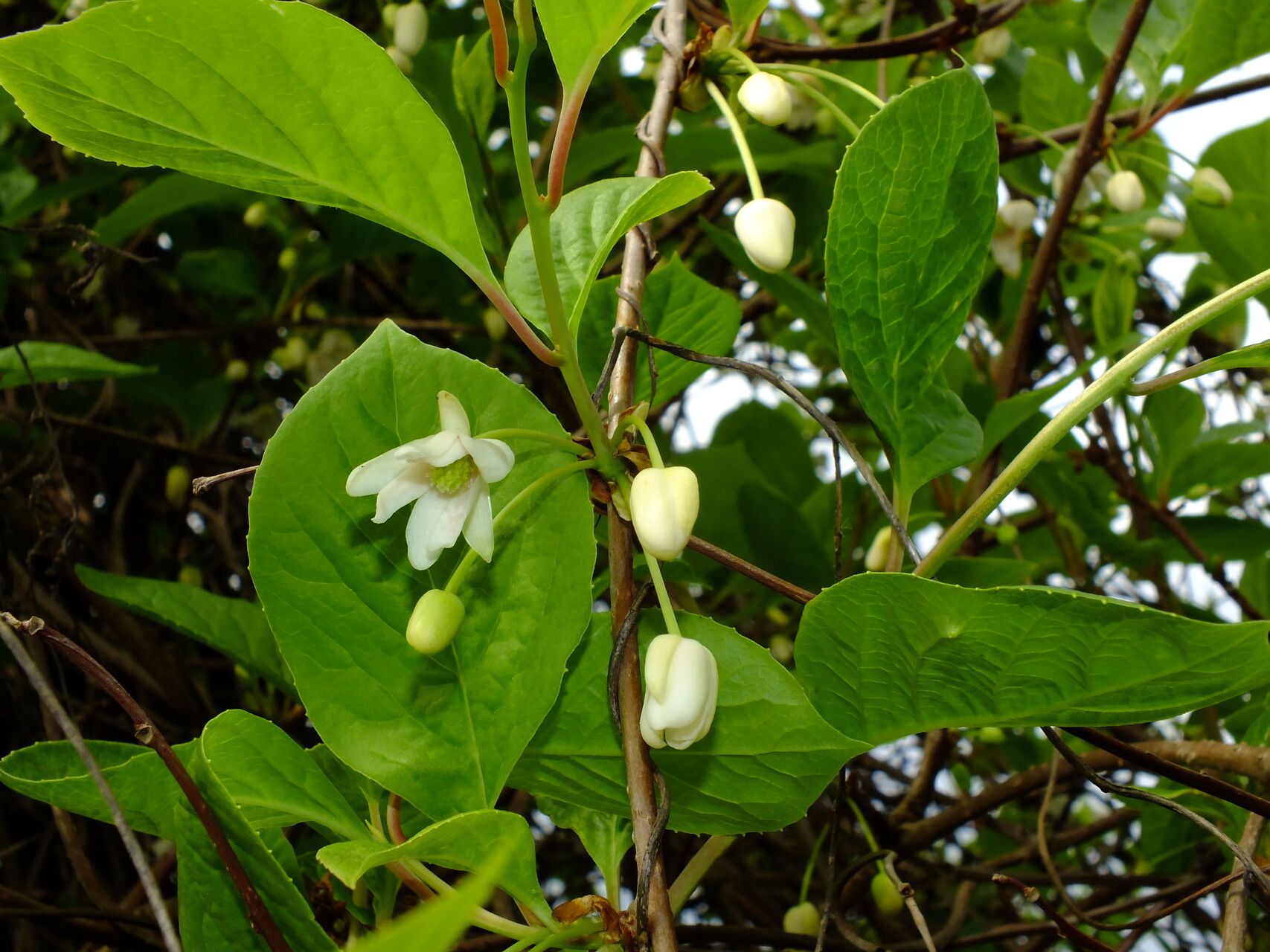
Oh, Schisandra chinensis! What a gem of a plant. If you’re drawn to its vibrant red berries, its fragrant foliage, or the sheer satisfaction of growing your own woody vine, you’re in for a treat. Propagating it can feel like a little bit of magic, turning one plant into many. While it’s not the easiest plant for a brand new beginner, it’s certainly achievable for anyone willing to try a few times. The reward of seeing those tiny new vines emerge is absolutely worth it.
The Best Time to Start
For the highest success rate with Schisandra, I’ve found that late spring to early summer is your sweet spot. This is when the plant is actively growing, and the new stems are flexible and full of life. You’ll be looking for semi-hardwood cuttings, which are stems that have just started to toughen up but are still bendy. Avoid the very soft, new growth, and definitely don’t try it on old, woody stems.
Supplies You’ll Need
Gathering your tools beforehand makes the whole process much smoother. Think of it as setting up your workspace before you bake a cake!
- Sharp Pruning Shears or a Knife: Clean cuts are crucial.
- Rooting Hormone: A good quality powdered or liquid hormone really gives your cuttings a boost.
- Potting Mix: A well-draining mix is essential. I like to use a blend of equal parts perlite, peat moss (or coco coir), and a bit of compost.
- Small Pots or Trays: Clean pots are a must to prevent disease.
- Plastic Bags or a Clear Dome: This creates a humid environment for your cuttings.
- Small Watering Can or Mister: For gentle watering.
- Labels: You think you’ll remember which cutting is which, but trust me, you won’t!
Propagation Methods
Let’s dive into how we can get these lovely vines going!
Stem Cuttings
This is my go-to method for Schisandra. It’s reliable and you can get quite a few plants from a single parent vine.
- Take Your Cuttings: In late spring or early summer, select healthy stems from your mature Schisandra. Look for stems that are about pencil-thick and roughly 6-8 inches long. Using your clean shears, make a clean cut just below a leaf node (where a leaf attaches to the stem).
- Prepare the Cuttings: Remove the leaves from the lower half of each cutting. You can leave one or two at the very top. If the remaining leaves are very large, I often trim them in half horizontally to reduce water loss.
- Apply Rooting Hormone: Dip the cut end of each stem into your rooting hormone, tapping off any excess. Make sure the hormone coats the part of the stem that will be underground.
- Plant the Cuttings: Fill your small pots with your well-draining potting mix. Make a small hole in the center of the soil with a pencil or your finger. Insert the cutting into the hole, ensuring the rooting hormone is submerged. Gently firm the soil around the stem.
- Water and Cover: Water the soil thoroughly but gently. Then, cover the pot loosely with a plastic bag or a clear dome. This creates a mini-greenhouse effect, keeping the humidity high. If using a bag, you can support it with stakes so it doesn’t touch the leaves.
Division (Less Common, but Possible)
If you have a larger, established Schisandra plant, you might be able to divide it. This is best done in early spring, just as the plant is starting to wake up.
- Gently Excavate: Carefully dig around the base of the plant, exposing the root ball.
- Separate the Roots: Using a clean spade or sharp knife, carefully divide the root ball into sections. Each section should have at least one healthy shoot and a good portion of root system.
- Replant Immediately: Pot up each division into a container with good potting soil or replant them directly into their new locations in the garden. Water well.
The “Secret Sauce” (Pro Tips)
Here are a couple of things I’ve learned over the years that make a real difference:
- Don’t Let Leaves Touch the Water: If you’re tempted to try water propagation (which is trickier for Schisandra but some people have success), it’s absolutely vital that no leaves are submerged in the water. Rot sets in quickly otherwise. Stick to soil for best results!
- Bottom Heat is Your Friend: If you can, place your pots on a gentle heating mat. This provides warmth to the roots, mimicking nature and significantly encouraging root development. It’s a game-changer for woody cuttings.
- Patience is Key: Schisandra can be a bit slow to root. Don’t be discouraged if you don’t see immediate results. Leave them be for a good 6-8 weeks, or even longer. Persistent, gentle misting is better than drenching.
Aftercare & Troubleshooting
Once you see new leaves emerging, that’s a fantastic sign that roots have formed!
- Gradual Acclimation: Slowly introduce your new plant to less humid conditions. If it was under a dome, lift it for longer periods each day. If it was in a bag, start opening it up.
- Watering: Keep the soil consistently moist but never soggy. As the plant grows, you can water it more like a mature plant.
- Light: Place your young plants in a spot with bright, indirect light. Avoid harsh, direct sun until they are well-established.
The most common issue you’ll encounter is rot. This usually happens because the cuttings were kept too wet, the soil didn’t drain well enough, or there wasn’t enough air circulation. If a cutting turns black and mushy, sadly, it’s time to toss it and try again. Other signs of failure include wilting that doesn’t recover, or the cutting simply shriveling up and drying out.
A Little Encouragement to Finish
So there you have it! Propagating Schisandra chinensis is a journey, and like any good garden adventure, it requires a bit of patience and a willing spirit. Don’t be afraid to experiment, and celebrate every little bit of success. Happy propagating, and may your new vines be bountiful!
Resource:
https://identify.plantnet.org/k-world-flora/species/Schisandra%20chinensis%20(Turcz.)%20Baill./data