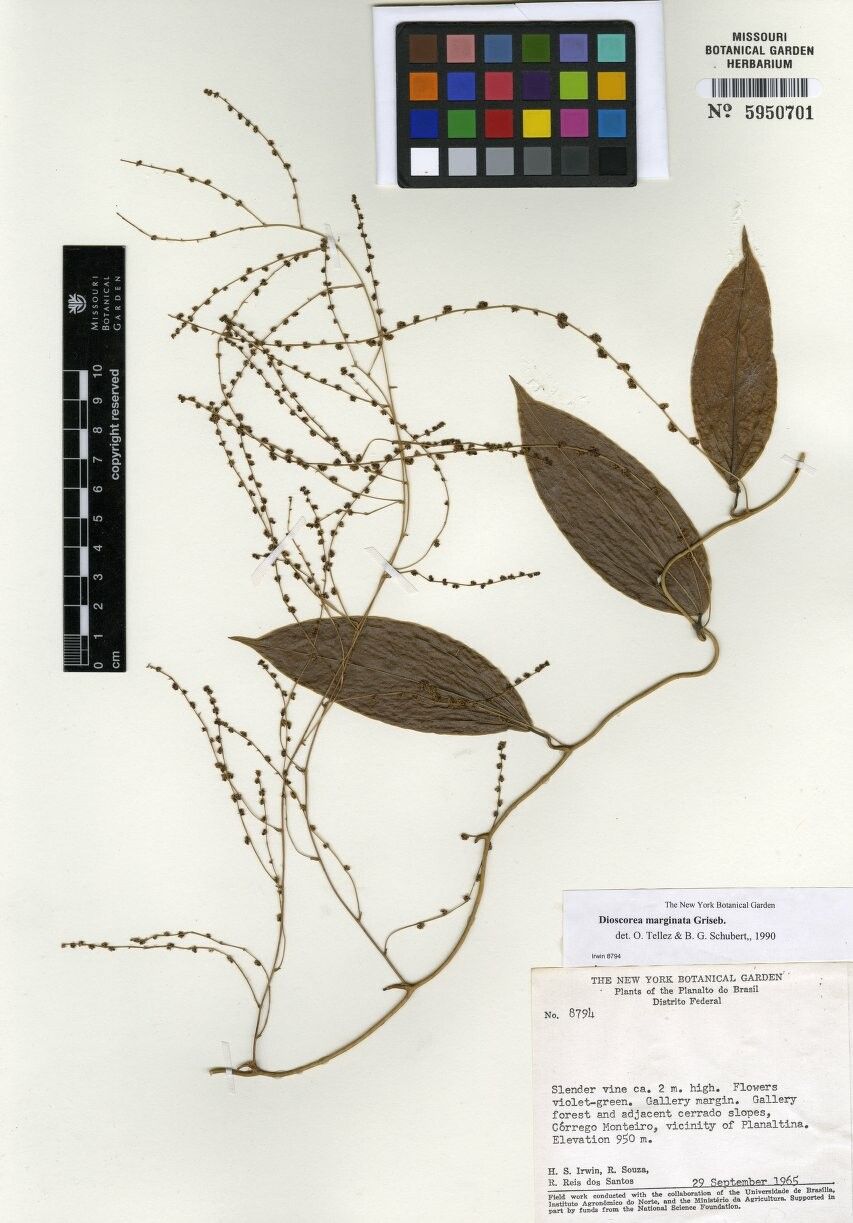
Hello fellow garden enthusiasts! Today, we’re diving into the wonderful world of propagating Dioscorea marginata, also known as the Marginata Yam. I’ve always been captivated by its unique, almost prehistoric appearance. Those beautiful, winged stems and heart-shaped leaves just scream jungle adventure. And the best part? Growing more of these beauties yourself is incredibly rewarding. Now, I know some might think of yams as tricky, but honestly, Dioscorea marginata is surprisingly forgiving. It’s a great plant for those of you looking to expand your collection without too much fuss.
The Best Time to Start
For the highest success rate with Dioscorea marginata, the sweet spot is definitely late spring to early summer. This is when the plant is in its most vigorous growth phase after waking up from its dormancy. You’ll see lots of fresh, healthy growth, which gives you plenty of material to work with. Trying to propagate too early in the spring or during the plant’s resting period in fall or winter often leads to disappointing results. Patience is a virtue here, and timing is key.
Supplies You’ll Need
Here’s a little toolkit to get you started. Don’t worry, it’s not too intimidating!
- Sharp Pruning Shears or a Clean Knife: For making clean cuts.
- Rooting Hormone (Optional but Recommended): A powder or gel can give your cuttings a real boost.
- Well-Draining Potting Mix: I like a blend of peat moss, perlite, and a bit of compost. You want something that won’t hold water.
- Small Pots or Seedling Trays: Clean ones are important to prevent disease.
- Plastic Bags or a Propagator: To create a humid microclimate.
- Watering Can with a Fine Rose: For gentle watering.
- A Warm Spot: Think a greenhouse bench, next to a sunny window, or a heat mat.
Propagation Methods
Dioscorea marginata is a pretty adaptable plant, and thankfully, it’s quite amenable to stem cuttings. This is usually the easiest and most fruitful method for home gardeners.
Stem Cuttings
- Select Your Material: Look for healthy, non-flowering stems that are at least 6-8 inches long. Ideally, you want stems that have at least two leaf nodes on them.
- Make the Cut: Using your clean pruning shears or knife, take cuttings from a healthy stem. Make a clean cut just below a leaf node. This is where the magic happens for root development.
- Prepare the Cutting: Gently remove the leaves from the bottom half of the cutting. You can leave one or two leaves at the top to help with photosynthesis, but too many can lead to moisture loss. If you’re using rooting hormone, lightly dip the cut end into it, tapping off any excess.
- Planting: Fill your small pots or seedling trays with your well-draining potting mix. Make a little hole in the center with your finger or a pencil.
- Insert the Cutting: Place the cut end of the Dioscorea marginata cutting into the hole, ensuring that at least one leaf node is buried in the soil. Gently firm the soil around the base of the cutting.
- Water Gently: Water the pot thoroughly but gently, ensuring the soil is moist but not waterlogged.
Now, these little fellas need some TLC to encourage those roots.
The “Secret Sauce” (Pro Tips)
Here are a couple of things I’ve learned over the years that really make a difference with Dioscorea marginata:
- The Humidity Tent is Your Best Friend: Once your cuttings are planted, cover the pot with a clear plastic bag secured with a rubber band, or place the entire tray inside a propagator. This creates a humid environment, which is crucial for preventing the cuttings from drying out before they can form roots. I like to peek in every few days to let some air circulate and check the moisture.
- Bottom Heat Works Wonders: As I mentioned in the supplies list, providing gentle bottom heat can significantly speed up root formation. A seedling heat mat, set to around 70-75°F (21-24°C), is perfect. It mimics the warmth of the soil in its natural growing season and really encourages those roots to get going. Just make sure the pot isn’t sitting directly in water; the warmth should be from beneath the soil.
Aftercare & Troubleshooting
Once you start seeing signs of new growth – tiny leaves unfurling at the top – it’s a good indication that roots are forming!
- Gradual Acclimation: When you see roots pushing through the drainage holes or new shoots appearing, it’s time to gradually reduce the humidity. Start by opening the plastic bag for a few hours each day, then removing it entirely over a week or two.
- Continued Watering: Keep the soil consistently moist, but never soggy. Let the top inch of soil dry out slightly between waterings.
- Light Requirements: Place your new Dioscorea marginata plants in a bright spot with indirect light. Direct, scorching sun can be too harsh for these young plants.
- Signs of Trouble: The most common issue you’ll encounter is rot. If a cutting looks black and mushy, it’s likely rotted. This is usually a sign of too much moisture and not enough airflow. If you spot this, remove the affected cutting immediately to prevent it from spreading to others. Yellowing leaves on a cutting before roots have formed can also be a sign of stress – often due to being too dry or too wet.
Enjoy watching your little Dioscorea marginata babies grow! It’s a journey, and like all good things in gardening, it requires a little bit of patience. Don’t get discouraged if not every cutting takes. Just keep trying, observe what works with your specific conditions, and soon you’ll have a whole jungle of these beautiful yams to share. Happy propagating!
Resource:
https://identify.plantnet.org/k-world-flora/species/Dioscorea%20marginata%20Griseb./data