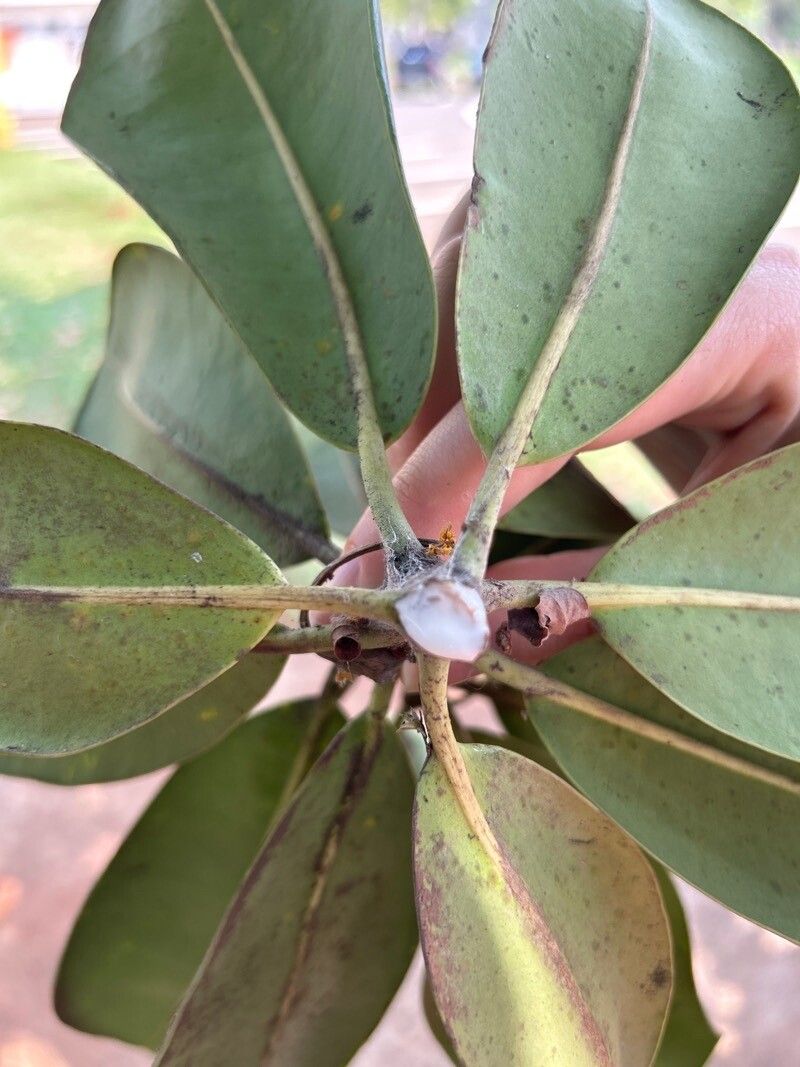
Oh, Mimusops coriacea! If you’re drawn to its glossy, leathery leaves and the promise of its subtle, sweet fragrance, you’re in for a treat. This tropical beauty, often known as the “Spanish Cherry” or simply “Bulletwood,” brings a bit of exotic flair to any space. And the joy of coaxing a new plant into existence from a piece of your existing one? Pure gardening magic!
For many of us, Mimusops coriacea isn’t the absolute easiest plant to propagate from scratch, especially for absolute beginners. But with a little patience and the right approach, it’s absolutely achievable. Think of it as learning to bake a slightly richer cake – it requires a touch more attention, but the results are so worth it.
The Best Time to Start
When you’re looking to multiply your Mimusops coriacea, timing is everything. The sweet spot is usually during its active growing season. For most of us, this means late spring through summer. You want to be working with healthy, vigorous stems that are full of life and ready to put energy into unfurling new roots. Avoid trying to propagate when the plant is stressed, perhaps from extreme heat or cold, or during its resting period.
Supplies You’ll Need
Gathering your tools beforehand makes the whole process smoother. Here’s what I recommend having on hand:
- Sharp, clean pruning shears or a sharp knife: Essential for making clean cuts to minimize damage.
- Rooting hormone (optional, but recommended): A powdered or gel hormone can significantly boost your success rate.
- Potting mix: A well-draining mix is crucial. I often use a blend of equal parts peat moss (or coco coir) and perlite, or a good quality seed-starting mix.
- Small pots or seed trays: Clean ones, of course! For cuttings, about 4-6 inch pots are usually sufficient.
- Clear plastic bag or a propagator: To create a humid environment for your cuttings.
- Watering can or spray bottle: For gentle watering.
- Labels and a marker: To keep track of what you’ve planted, especially if you’re experimenting with different methods.
Propagation Methods
Let’s get our hands dirty! Mimusops coriacea can be propagated through stem cuttings, and it’s a reliable method.
Stem Cuttings
- Select a healthy stem: Look for a semi-hardwood cutting. This means a stem that is neither brand new and soft nor old and woody. It should be firm but still have some flexibility. Aim for stems about 6-10 inches long.
- Make the cut: Using your sharp, clean shears, make a clean cut just below a leaf node. A leaf node is where a leaf attaches to the stem – this is where the magic of rooting happens.
- Prepare the cutting: Gently remove the lower leaves from the cutting, leaving just a few at the top. If the remaining leaves are very large, I like to cut them in half horizontally. This reduces water loss through transpiration while still allowing for photosynthesis.
- Apply rooting hormone (optional): Dip the cut end of the stem into your rooting hormone, tapping off any excess.
- Plant the cutting: Moisten your potting mix thoroughly. Make a hole in the mix with your finger or a pencil, and then gently insert the cutting, ensuring the leaf nodes where you removed leaves are below the soil line. Firm the soil gently around the stem.
- Water gently: Give the soil a light watering to settle it around the cutting.
- Create humidity: Cover the pot with a clear plastic bag or place it in a propagator. Make sure the leaves don’t touch the plastic too much – you can use stakes to prop it up. This creates a mini-greenhouse effect, keeping the humidity high and preventing the cutting from drying out.
- Place in bright, indirect light: Find a warm spot for your cuttings, like a windowsill that doesn’t get harsh direct sun.
The “Secret Sauce” (Pro Tips)
Here are a couple of things I’ve learned over the years that really make a difference:
- Bottom Heat is Your Friend: If you have a seedling heat mat, place your pots on it. This gentle warmth from below encourages root development much faster than ambient temperature alone. It’s like giving your cuttings a cozy heated blanket.
- Don’t Drown Your Dreams: While humidity is key, overwatering the soil can be a death sentence for cuttings, leading to rot. The soil should be consistently moist, but not soggy. I often check by poking my finger an inch or so into the soil; if it feels damp, it’s good. If water seeps out, it’s too wet.
Aftercare & Troubleshooting
Once your cuttings are happily nestled in their humid little homes, the waiting game begins. You’ll want to check periodically for signs of rooting. This can take anywhere from 4 weeks to several months.
The first big indicator is new growth appearing at the tip of the cutting or even new leaves emerging from the sides. You can also try a very gentle tug on the cutting; if you feel resistance, it means roots are forming and holding it in place.
What if things go wrong? The most common culprit is rot. If you see your cutting turning black, mushy, or developing a foul smell, it’s likely rotted. This is usually a sign of too much moisture and not enough air circulation. Unfortunately, once rot sets in, it’s hard to save.
If rot isn’t the issue, but your cutting just seems to be doing nothing for months on end, it might not have been the right time, or the cutting just wasn’t viable. Don’t get discouraged!
Once you see definite signs of rooting, you can gradually acclimate your new plant to normal conditions. This means slowly opening the plastic bag or propagator over a week or two to let it get used to lower humidity. Continue to water as needed, keeping the soil moist. When the plant is established and growing well, you can transplant it into its own pot.
A Encouraging Closing
Propagating Mimusops coriacea is a journey, and like any good journey, it has its moments of anticipation and, sometimes, a little bit of trial and error. But the reward of seeing a new plant thrive from your efforts is incredibly fulfilling. Be patient with yourself and with your little green hopefuls. Happy propagating, and enjoy the process of watching life unfurl!
Resource:
https://identify.plantnet.org/k-world-flora/species/Mimusops%20coriacea%20(A.DC.)%20Miq./data