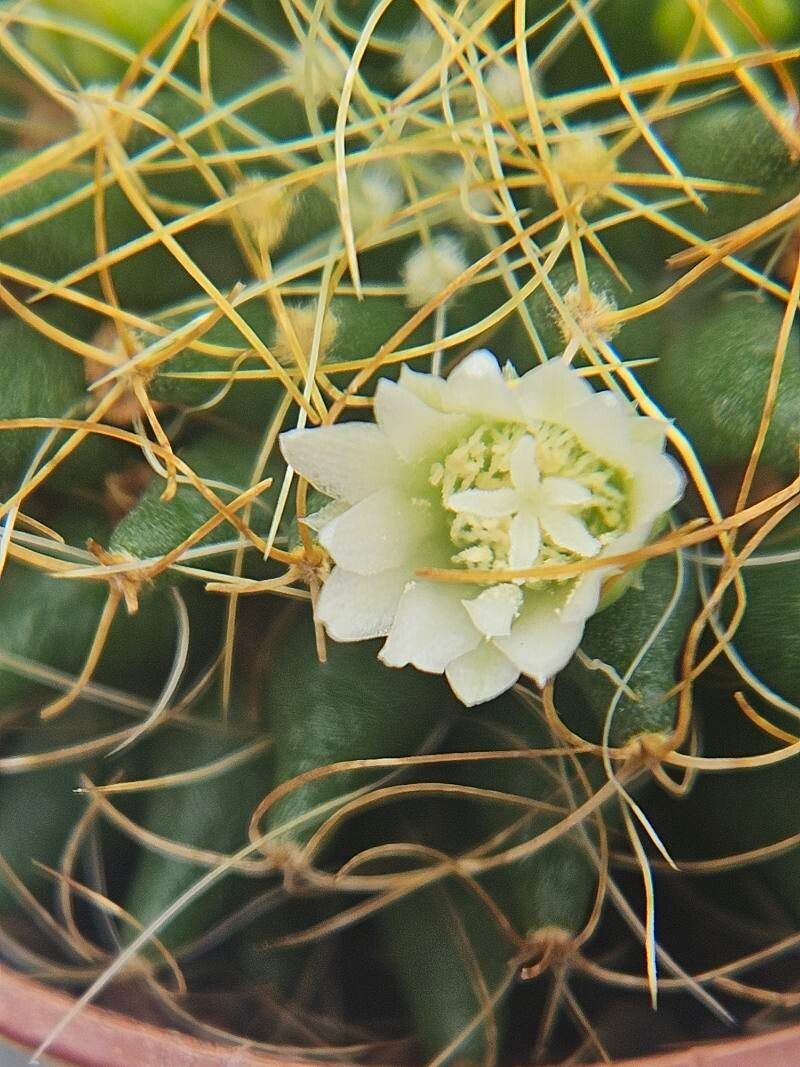
Oh, hello there, fellow plant enthusiast! Grab yourself a warm cuppa, because today we’re going to dive into the delightful world of propagating Mammillaria decipiens. This little cactus, with its fuzzy pearly white spines and charming habit of producing offsets, is an absolute joy to have in any collection. And the best part? Making more of these beauties is surprisingly achievable! If you’re just dipping your toes into the world of cactus propagation, you’ll be happy to know that Mammillaria decipiens is wonderfully forgiving. You’re in for a treat!
The Best Time to Start
Timing is everything, as they say, and when it comes to propagating our Mammillaria decipiens, we want to work with the plant’s natural rhythm. The absolute best time to get started is during its active growing season. Think of it as when the plant is feeling energetic and ready to expand. This typically falls in late spring through early summer. You’ll see the plant putting on new growth and potentially pushing out those adorable offsets. Starting then gives your new babies the longest window to establish themselves before cooler weather sets in.
Supplies You’ll Need
Don’t worry, you won’t need a whole toolbox! A few simple items will do the trick.
- Well-draining potting mix: A cactus and succulent specific blend is perfect. You can also make your own by mixing equal parts potting soil, perlite, and coarse sand.
- Sharp, sterilized knife or pruning shears: For clean cuts. A quick wipe with rubbing alcohol will do the job of sterilizing.
- Small pots or trays: Terracotta pots are excellent as they breathe well.
- Rooting hormone (optional but helpful): A powder or gel specifically for succulents and cacti.
- Gloves (optional): To protect your hands from those lovely spines.
- Watering can or spray bottle: For gentle watering.
Propagation Methods
There are a couple of fantastic ways to multiply your Mammillaria decipiens.
Method 1: Offsets (Pups)
This is hands-down the easiest and most common method for this particular cactus. You’ll often notice small baby plants, or “pups,” growing right from the base of the mother plant.
- Gently remove the pup: Using your sterilized knife or shears, carefully cut the pup away from the mother plant. Try to get a small portion of the root connection if possible, though it’s not always feasible.
- Allow it to callous: This is crucial! Place the pup on a dry surface, away from direct sunlight, for 3-7 days. You want the cut end to dry out and form a protective callus. This prevents rot when you plant it.
- Pot it up: Once calloused, fill your small pot with your well-draining mix. Make a small indentation in the center.
- Plant the pup: Gently press the calloused end of the pup into the soil. You don’t need to bury it deeply, just enough so it stands upright.
- Wait to water: Resist the temptation to water immediately! Wait for about a week after planting. This gives any tiny root fragments time to heal. Then, water lightly.
Method 2: Stem Cuttings (for the adventurous!)
While offsets are more common, you can propagate from larger pieces of the stem if your plant has broken or you want to experiment.
- Take your cutting: Using your sterilized knife, cut a healthy section from the mother plant. Make sure it’s a decent size, at least an inch or two.
- Allow to callous: Just like with offsets, this is essential. Let the cutting dry out and form a firm callus for 1-2 weeks. Longer is better if your humidity is high.
- Pot it up: Fill a pot with your cactus mix.
- Plant the cutting: You can insert the calloused end directly into the soil, or lay it on its side on top of the soil. Some people find laying it on its side encourages more roots to form along the buried part.
- Water sparingly: Again, wait a week or two before the first light watering.
The “Secret Sauce” (Pro Tips)
Here are a couple of things I’ve learned over the years that really make a difference:
- Don’t bury offsets too deep: I’ve seen beginners plant pups too deep, and they end up rotting because the base stays too wet. The pup needs good air circulation around its base. Just nestle it in the soil so it can stand up.
- Bottom warmth is your friend: If you can, place your pots on a heating mat designed for seedlings. This gentle warmth encourages root development from below, mimicking the soil temperature during its natural growing season. It really speeds things up!
- Observe, don’t obsess: It can be tempting to poke and prod to see if roots have formed. Resist! Your Mammillaria decipiens will tell you it’s happy by starting to grow. Excessive handling can damage delicate new roots.
Aftercare & Troubleshooting
Once your little cactus has rooted, congratulations! Now it’s time for continued tender care.
- Watering: Water only when the soil is completely dry. This is the golden rule for all cacti. Overwatering is the quickest way to kill a baby cactus. Water more frequently during active growth, and significantly less in winter.
- Light: Place your new plant in a bright location with indirect sunlight. As it gets stronger, you can gradually introduce it to more direct sun, but be cautious of scorching it, especially if it’s been in low light.
- Troubleshooting: The most common issue you’ll encounter is rot. If you see your cutting or pup turning mushy, black, or looking deflated and sad, it’s likely rot. This usually happens from too much moisture. Unfortunately, if rot sets in, it’s hard to save. Your best bet is to take a cutting from any healthy part above the rot and start the process again, paying extra attention to drying and watering practices. Fungal gnats can also be a nuisance; keep the soil dry and consider sticky traps if you see them.
A Little Patience Goes a Long Way
Propagating plants is such a rewarding journey. It’s a chance to connect with nature, learn its rhythms, and multiply the beauty you love. Be patient with your Mammillaria decipiens cuttings and pups. Some take longer than others to root, and that’s perfectly okay. Enjoy the process, celebrate every tiny bit of new growth, and you’ll soon have a little community of these charming cacti to share. Happy propagating!
Resource:
https://identify.plantnet.org/k-world-flora/species/Mammillaria%20decipiens%20Scheidw./data