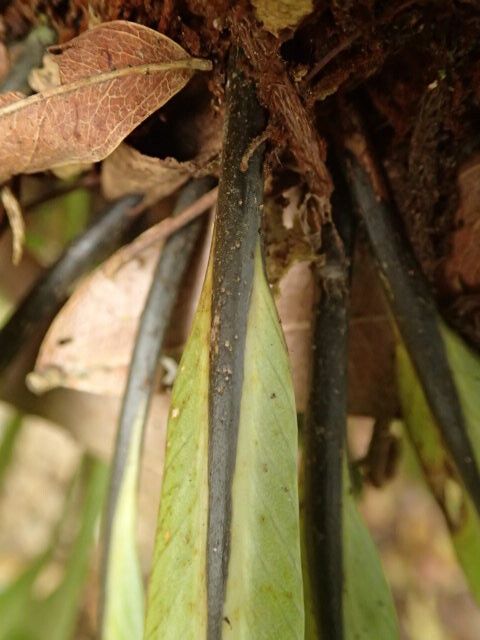
Hello fellow plant lovers! Today, we’re going to dive into something truly special: propagating Asplenium africanum. You know, that gorgeous African spleenwort fern with its long, elegant fronds that just seem to cascade with a life of their own? It brings such a lush, tropical feel to any space, and trust me, multiplying these beauties is incredibly satisfying.
Now, I’ll be honest with you upfront: Asplenium africanum can be a little fussy to propagate. It’s not the absolute easiest fern for a complete beginner, but with a bit of care and attention, you absolutely can succeed. Think of it as a rewarding challenge, a chance to really get to know your plant.
The Best Time to Start
For the highest success rate with Asplenium africanum, I always recommend starting in the late spring or early summer. This is when the plant is in its most active growth phase. New fronds are unfurling, and overall, everything is just buzzing with energy. You want to work with healthy, vigorous plant material – it’s like giving your cuttings the best possible head start.
Supplies You’ll Need
Gathering your supplies before you begin makes the whole process much smoother. Here’s what I usually have on hand:
- Sterilized pruning shears or a sharp knife: Clean tools are crucial to prevent introducing any unwanted pathogens.
- Well-draining potting mix: I like a blend of peat moss, perlite, and a bit of orchid bark for my ferns. This ensures good aeration and prevents waterlogged soil.
- Small pots or trays: Clean, good quality pots are essential.
- A spray bottle: For misting.
- Clear plastic bags or a propagation dome: To maintain humidity.
- Optional: Rooting hormone (powder or gel): While not always strictly necessary for ferns, it can give a nice boost.
- Optional: Bottom heat mat: This can significantly speed up root development.
Propagation Methods
Asplenium africanum can be propagated in a couple of ways, but the most reliable for this fern is division.
Division
This is the most straightforward method for Asplenium africanum. You’re essentially separating a mature plant into smaller, independent plants.
- Gently remove the mother plant from its pot. If it’s been in the same pot for a while, you might need to coax it a little. You can even try sliding a clean knife around the edge of the root ball.
- Inspect the root system. Look for natural separations. You’ll see where one crown (the base from which fronds emerge) seems distinct from another, with its own set of roots.
- Carefully tease apart the divisions. Use your fingers, or if it’s a bit tough, a sterilized trowel or knife. The goal is to get each division with at least 2-3 healthy fronds and a good chunk of roots. Don’t be afraid to be firm but careful. If you damage a few roots, it’s usually okay; the plant is resilient.
- Pot up each division. Use your well-draining potting mix. Plant them at the same depth they were previously growing.
- Water thoroughly until water drains from the bottom of the pot.
- Place the newly potted divisions in a brightly lit spot that gets indirect light.
The “Secret Sauce” (Pro Tips)
Here are a couple of things I’ve learned over the years that really help with ferns like Asplenium africanum:
- Humidity is your best friend: Ferns absolutely adore high humidity. After potting your divisions, cover them loosely with a clear plastic bag or a propagation dome. This creates a mini-greenhouse effect. Make sure to open it for a few minutes each day to allow for air circulation and prevent fungal issues.
- Don’t overwater the newly divided plants: While they need moisture, drowned roots are a fern’s worst nightmare. The potting mix should be consistently moist but never soggy. If you’re misting, do so lightly.
Aftercare & Troubleshooting
Once your divisions have settled in, continue to keep them in that bright, indirect light. Misting regularly is beneficial, especially if you don’t have a humidifier. Watch for signs of new growth – tiny, tightly furled fronds are a great indicator that roots are forming.
The most common issue you might encounter is rot. This usually happens from overwatering or poor air circulation. You’ll see fronds turning yellow and mushy, often at the base. If you see this, remove the affected fronds immediately. Check the soil moisture. If it’s too wet, try to gently improve drainage or aerate the soil. Sometimes, if rot is extensive, the division might not recover.
If you don’t see any new growth after a few weeks, don’t despair! Ferns can be slower than other plants. Patience is key. Keep the humidity up and the light consistent, and roots will eventually form.
So there you have it! Propagating Asplenium africanum is a wonderful way to expand your collection and share the joy of these elegant ferns. Don’t be discouraged if your first attempt isn’t perfect. Take it as a learning experience, adjust your approach, and enjoy the journey. Happy growing!
Resource:
https://identify.plantnet.org/k-world-flora/species/Asplenium%20africanum%20Desv./data