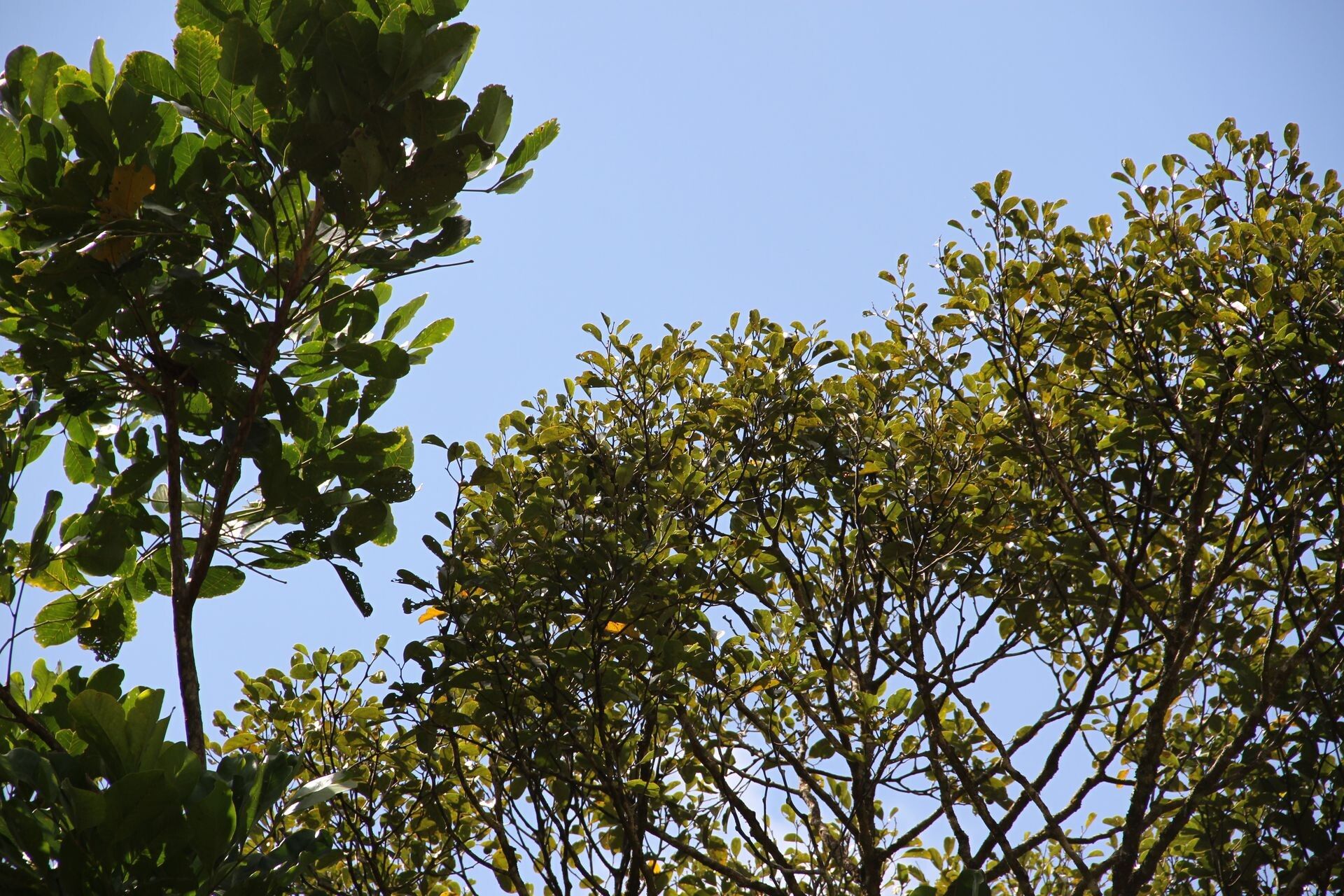
Hello, fellow plant lovers! Today, we’re delving into the wonderful world of propagating Cryptocarya elliptica, also lovingly known as the N.S.W. laurel or simply bolwarra. This beauty is a real star in the garden, with its glossy, leathery leaves and the promise of fragrant, star-shaped flowers that eventually lead to those lovely berries. Growing new plants from cuttings is just one of those deeply satisfying garden moments, and while Cryptocarya elliptica can be a touch more challenging than, say, a pothos, it’s absolutely doable with a little know-how. Don’t let that scare you away; with these tips, you’ll be well on your way to a happy new bolwarra!
The Best Time to Start
For the highest success rates with Cryptocarya elliptica, I find late spring through to early summer is the sweet spot. This is when the plant is actively growing, meaning it has the energy to put into developing new roots. You’re looking for semi-hardwood cuttings. Think of it like this: the stems should be firm enough that they don’t easily snap, but they still have a bit of flexibility. Avoid very soft, new growth or old, woody stems.
Supplies You’ll Need
Gathering your tools before you begin will make the process so much smoother. Here’s what I always have on hand:
- Sharp, clean pruning shears or a sharp knife: Essential for making clean cuts to prevent disease.
- Rooting hormone powder or gel: This gives your cuttings a helpful boost and increases the chances of successful rooting.
- Medium for cuttings: A good blend is 50% perlite and 50% peat moss or coco coir. You want something that drains well but also retains a bit of moisture. Avoid heavy potting soil, as it can lead to rot.
- Small pots or trays: Clean containers with drainage holes.
- Plastic bags or a propagator: To create a humid environment around your cuttings.
- Water: For misting and watering.
- Labels: So you remember what you planted and when!
Propagation Methods
We’ll focus on the most reliable method for Cryptocarya elliptica: stem cuttings.
- Select and Take Cuttings: Choose healthy, vigorous stems from your mature plant. Using your sharp pruning shears or knife, take cuttings that are about 4-6 inches long. Make the cut just below a leaf node (where a leaf attaches to the stem) – this is where roots tend to form most readily.
- Prepare the Cuttings: Remove the lower leaves from the cutting, leaving just 2-3 leaves at the top. If the remaining leaves are very large, I often cut them in half horizontally. This reduces water loss through transpiration while still allowing for photosynthesis.
- Apply Rooting Hormone: Dip the cut end of the stem into your rooting hormone powder or gel. Gently tap off any excess. Don’t be shy with the hormone; it’s there to help!
- Potting Up: Fill your small pots or trays with your prepared cutting mix. Make a small hole in the center of the mix with your finger or a pencil.
- Insert the Cuttings: Carefully insert the base of each cutting into the hole, ensuring the rooting hormone stays put. Gently firm the mix around the base of the stem to ensure good contact. I usually plant 2-3 cuttings per pot so if one doesn’t make it, others might.
- Create a Humid Environment: Water the mix thoroughly but gently. Then, cover the pot or tray with a clear plastic bag or place it inside a propagator. This creates a mini-greenhouse effect, keeping the humidity high, which is crucial for cuttings. Make sure the leaves don’t touch the plastic if possible.
The “Secret Sauce” (Pro Tips)
Here are a few extra tricks up my sleeve that have really helped me with cuttings like these:
- Bottom Heat is Your Friend: If you have it, placing your pots on a heat mat designed for propagation can significantly speed up rooting. The warmth encourages root development from below. It really makes a difference, especially if your room temperature isn’t consistently warm.
- The “Tap Test”: After a few weeks, when you think your cuttings might have rooted, give them a gentle tug. If you feel resistance, that’s a good sign roots are forming. You can also carefully try to wiggle the cutting. If it feels firm and doesn’t easily move, roots are likely present.
- Don’t Overwater, But Don’t Let Them Dry Out: This is a fine balance! The mix should be consistently moist but never soggy. If you’re using the plastic bag method, you’ll likely only need to water sparingly. Check the moisture level by gently poking your finger into the soil.
Aftercare & Troubleshooting
Once your cuttings have started to show signs of rooting (you’ll see new leaf growth!), it’s time to transition them. Gradually introduce them to normal air circulation by opening the plastic bag a little more each day over a week. Continue to water them when the top inch of soil feels dry.
The most common problem you might encounter is rot. This usually happens due to overwatering and poor drainage. If you see the stem turning mushy or black at the soil line, it’s likely rot, and unfortunately, that cutting is probably lost. Good airflow and a well-draining mix are your best defense against this. If you notice any signs of wilting that aren’t related to dryness, check for rot.
A Encouraging Closing
Propagating Cryptocarya elliptica is a journey, and like all good gardening endeavors, it rewards patience. Don’t get discouraged if your first attempt isn’t a runaway success. Each time you try, you learn a little more. Enjoy the process of watching those tiny roots develop and eventually seeing your new bolwarra plants unfurl their first leaves. Happy propagating!
Resource:
https://identify.plantnet.org/k-world-flora/species/Cryptocarya%20elliptica%20Schltr./data