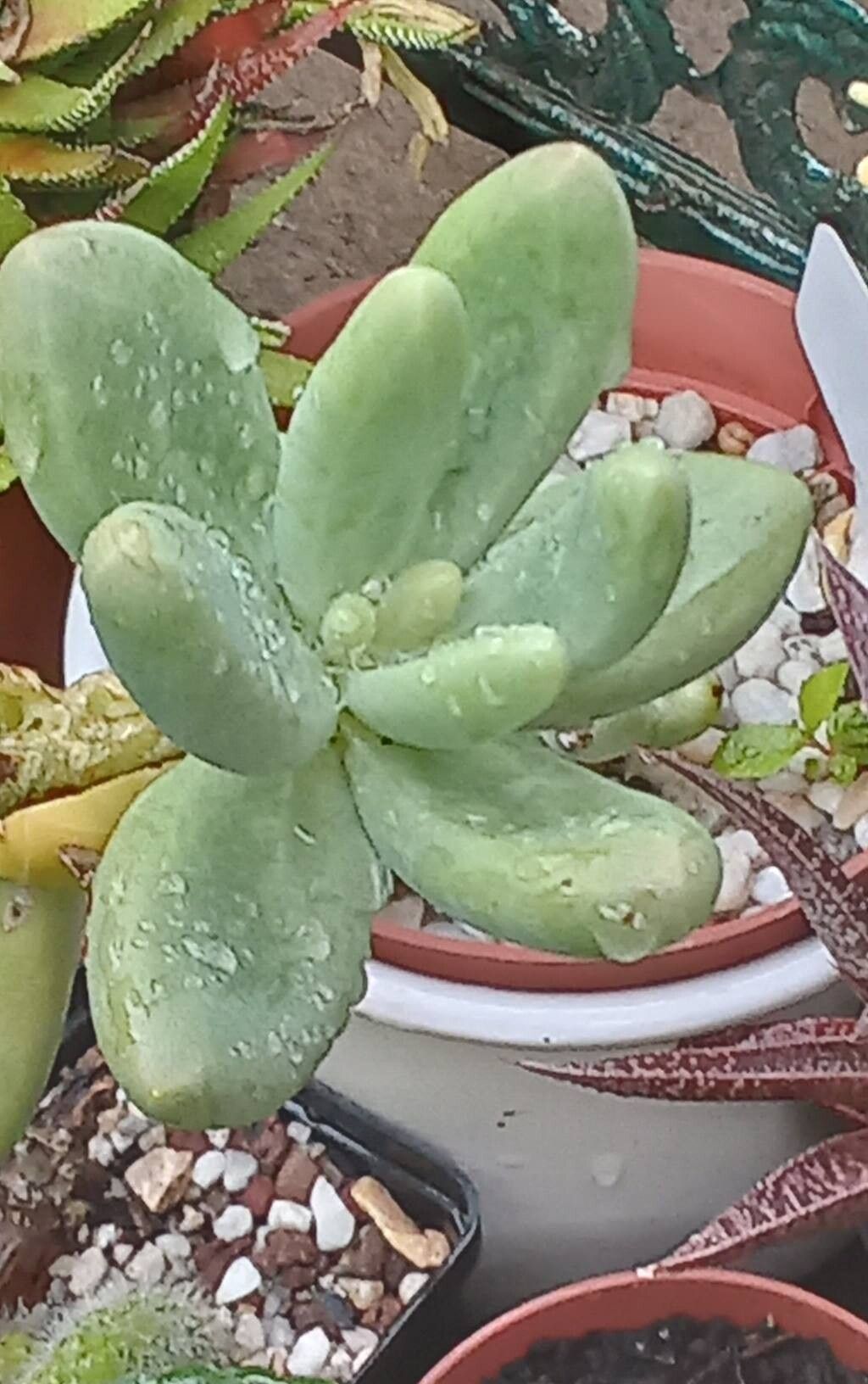
Oh, hello there! Come on in, pull up a chair. I’ve got my favorite mug of chamomile right here, and I’m so excited to chat with you about one of my absolute favorites: Pachyphytum oviferum, or Moonstones. They’re these plump, pastel-colored beauties that look like they’ve been plucked straight from a fairy tale.
Why Propagate Moonstones?
Honestly, the joy of watching a tiny piece of your beloved plant transform into a whole new specimen is just incredible. It’s like magic, but totally within your reach! And the best part? Pachyphytum oviferum is generally quite forgiving, making it a fantastic plant for beginners looking to dip their toes into propagation. You’ll be surprised how easy it is to multiply these little gems.
When is the Best Time to Start?
The real sweet spot for propagating Moonstones is during their active growing season. Think late spring through early autumn. This is when the plant has plenty of energy to dedicate to new growth, which translates to faster rooting and happier babies. Trying to propagate when the plant is dormant is like asking someone to run a marathon after a long winter – they just don’t have the pep!
What You’ll Need
Gathering your supplies makes the whole process so much smoother. Here’s what I always have on hand:
- Well-draining potting mix: A cactus and succulent mix is perfect. You can also make your own by combining equal parts potting soil, perlite, and coarse sand.
- Clean, sharp pruning shears or a small knife: For taking clean cuts.
- Optional: Rooting hormone powder: This can give your cuttings a little boost, but it’s not strictly necessary for Moonstones.
- Small pots or seed trays: Whatever you have that will hold your cuttings comfortably.
- Watering can or spray bottle: For gentle watering.
- A sunny spot with bright, indirect light: Your new propagation station needs good light but avoid harsh, direct sun initially.
Let’s Get Propagating!
Moonstones are wonderfully versatile, and there are a couple of very effective ways to multiply them.
Leaf Propagation
This is my go-to method for Moonstones. It’s so satisfying to see a whole new plant emerge from just one plump leaf!
- Select a healthy leaf: Choose a plump, firm leaf from the mother plant. Make sure it’s attached near the stem.
- Gently twist and remove the leaf: This is crucial! You want to get the entire leaf base, right where it connects to the stem. A clean break without leaving any part of the leaf on the stem is key. If you just rip it, it won’t root.
- Allow to callous: Lay the leaves on a dry surface in a well-ventilated area for 2 to 3 days, or until the cut end has dried and formed a protective scab. This prevents rot.
- Place on soil: Once calloused, simply lay the leaves on top of your prepared, lightly moist potting mix, with the calloused end just barely touching the soil. Don’t bury them!
- Be patient: This is where patience comes in. Within a few weeks, you should start to see tiny roots forming, and eventually, a miniature rosette will emerge from the calloused end.
Stem Cuttings
If your Moonstone plant has gotten a bit leggy, or you want to speed things up, stem cuttings are a great option.
- Take a cutting: Using your sharp shears, cut off a section of the stem with several leaves attached. Aim for cuttings that are at least 2-3 inches long.
- Remove lower leaves: Gently pull off the bottom few leaves. These leaves can also be propagated (see above!).
- Allow to callous: Just like with leaf cuttings, let the cut end of the stem dry out and form a callous for 2 to 3 days.
- Plant the cutting: You can lay the cutting on top of the soil, or carefully insert the calloused end about an inch deep into the potting mix.
- Water sparingly: After planting, water very lightly. You want the soil to be barely moist.
The “Secret Sauce” (My Insider Tips!)
We’ve all got our little tricks, right? Here are a few that have really served me well with Pachyphytum oviferum:
- The Water Trick for Leaves: When propagating leaves, do not let the leaves touch standing water if you’re trying a water propagation method. While some succulents can root in water, Moonstone leaves are more prone to rot that way. Laying them on soil, or even just hovering them above very light mist, is much safer.
- Bottom Heat is Your Friend: If you’re using stem cuttings or if you’re propagating in a cooler environment, a propagation mat or a sunny windowsill that gets a bit of warmth can make a world of difference. It mimics Mother Nature’s gentle warmth and encourages those roots to develop much faster.
- The “Wait and See” Watering: This is a big one. For both leaf and stem cuttings, the temptation to water is strong. Resist! Don’t water again until you see definite signs of roots or new growth. Overwatering at this stage is the quickest way to invite rot.
Aftercare and Troubleshooting
Once you see those little roots starting to peek out, or a tiny new rosette is forming, it’s time for a little tender loving care.
- Gentle Watering: Water very sparingly. Let the soil dry out almost completely between waterings. A spray bottle is perfect for young cuttings as it gives them a light mist without drowning tiny roots.
- Gradual Acclimation: As your new plant grows, gradually introduce it to more light. Avoid shocking it with intense, direct sun right away.
- Signs of Trouble: The most common enemy is rot. If a leaf or cutting turns yellow, mushy, or black, it’s likely rotting. Unfortunately, you’ll usually need to discard it. This is often due to overwatering or a lack of airflow. If you see shriveling, it could be a sign of insufficient water, but always check the soil first!
Go Forth and Multiply!
So there you have it – your guide to multiplying those delightful Moonstones. Don’t be discouraged if your first attempt isn’t perfect. Gardening is all about learning and observing. Be patient, enjoy the process of coaxing new life from your plants, and soon you’ll have a whole collection of your own precious Moonstones to share (or keep all to yourself, I won’t tell!). Happy propagating!
Resource:
https://identify.plantnet.org/k-world-flora/species/Pachyphytum%20oviferum%20J.A.Purpus/data