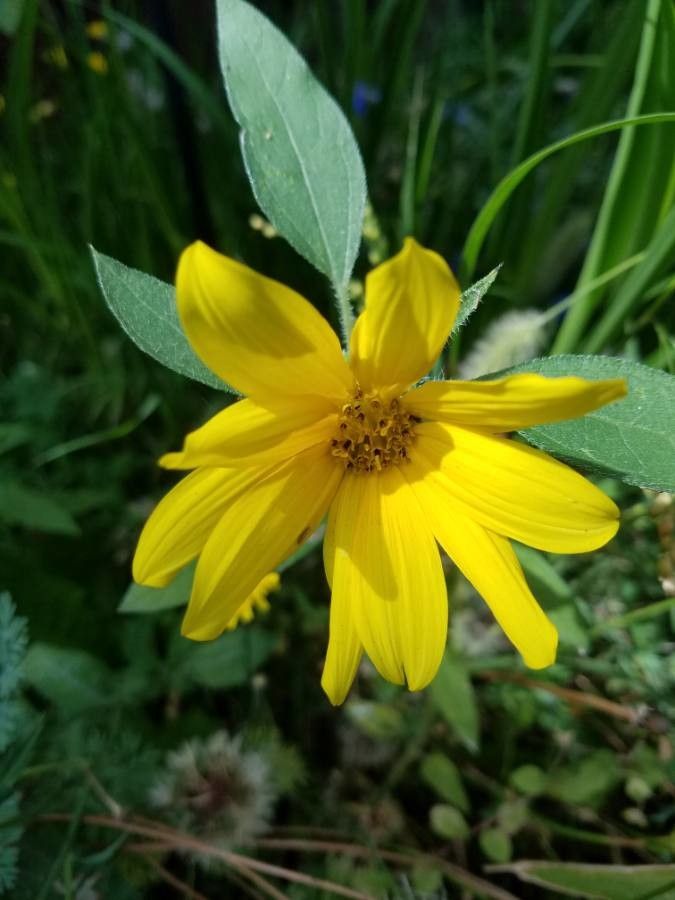
Oh, those magnificent Maximilian sunflowers! If you’ve ever seen a clump of them standing tall, their sunny faces turned towards the sky, you know their charm. They’re not just big and bold; they have this wonderful way of filling a garden space with a joy that’s truly infectious. And the best part? Growing more of them is absolutely achievable, even for those just starting their gardening adventures. It’s a wonderfully rewarding feeling to nurture a tiny cutting into a full-blown sunflower, a little piece of your garden to share.
The Best Time to Start
For Helianthus maximiliani, the sweet spot for propagating is really when the plant is actively growing but before it gets too stressed by peak summer heat or the onset of autumn dormancy. Late spring to early summer, just as new shoots are unfurling with vigor, is often your best bet. You want young, healthy material to work with, and that’s typically what you’ll find at this time.
Supplies You’ll Need
Gathering your supplies beforehand makes the whole process smoother. Here’s what I usually have on hand:
- Sharp pruning shears or a clean knife: For making neat cuts on your parent plant and cuttings.
- Seed-starting mix or a well-draining potting mix: Something airy that won’t hold too much moisture. A 50/50 blend of peat moss and perlite works like a charm.
- Small pots or propagation trays: Clean pots are key to preventing disease.
- Rooting hormone (optional but helpful): Look for one with IBA – it helps cuttings develop roots more readily.
- Watering can with a fine rose: For gentle watering without disturbing your new propagations.
- Plastic bags or a clear propagation dome: To create a humid environment for your cuttings.
- Labels and a marker: Always good to know what you planted and when!
Propagation Methods
While you can technically grow sunflowers from seed, propagating Helianthus maximiliani from cuttings or by dividing established clumps is often more reliable for getting that exact same beautiful bloom.
Stem Cuttings
This is my go-to method for a quick boost of more sunflowers.
- Take Your Cuttings: With your clean shears, select a healthy, non-flowering stem from your parent plant. Look for a stem that’s about 4-6 inches long and has at least a few leaves. Make your cut just below a leaf node (where a leaf meets the stem).
- Prepare the Cuttings: Gently remove the lower leaves, leaving only the top couple of leaves attached. If the leaves are very large, you can cut them in half horizontally to reduce water loss through transpiration.
- Apply Rooting Hormone: Dip the cut end of each stem into your rooting hormone, tapping off any excess.
- Plant Your Cuttings: Fill your small pots with the well-draining potting mix. Make a small hole in the center of the soil with your finger or a pencil. Insert the bottom half of your cutting into the hole and gently firm the soil around it.
- Water and Cover: Water the soil gently but thoroughly. Then, place the pots inside a plastic bag, creating a mini-greenhouse, or cover them with a clear propagation dome.
Division
Established clumps of Maximilian sunflowers can be divided, which is a great way to rejuvenate older plants and get new ones.
- Digging Up the Clump: In late spring or early fall (when it’s not too hot), carefully dig around the base of the established plant. You want to lift the entire root ball out of the ground. If the clump is large, you might need to do this gently to avoid damaging the roots too much.
- Separating the Divisions: Once the clump is out, examine the root system. You should be able to see where new shoots are emerging from thicker roots. Use your hands or a clean spade to carefully pull or cut the clump apart into smaller sections. Each section should have a good amount of roots and at least one healthy shoot.
- Replanting: Immediately replant your divisions in their new locations, or pot them up for a short while if you don’t have space yet. Water them in well.
The “Secret Sauce” (Pro Tips)
I’ve learned a few tricks over the years that really up the success rate.
- Bottom Heat is Your Friend: For stem cuttings, a little warmth from below can make a huge difference. I’ll often place my propagation trays on a heat mat designed for seedlings. It encourages faster root development.
- Mist, Don’t Drown: While humidity is crucial for cuttings, you don’t want the soil to be waterlogged. I like to lightly mist the leaves and the inside of the plastic bag daily, or whenever the inside of the bag looks dry. The goal is moist, not soggy.
- Patience with the Pull Test: Don’t be tempted to tug on your cuttings too soon! Wait at least 3-4 weeks. If you feel a gentle resistance when you very lightly tug the cutting, it means roots have started to form.
Aftercare & Troubleshooting
Once you see signs of new growth or feel that exciting resistance from the pull test, you’re on your way!
- Acclimatize Gradually: If you’ve used a plastic bag or dome, start by opening it for an hour or two each day before removing it entirely. This helps the new plants adjust to lower humidity.
- Water as Needed: Once the cuttings are rooted and growing, water them when the top inch of soil feels dry.
- Transplant: When your new plants have developed a good root system and a few sets of leaves, they’re ready to be transplanted into larger pots or their permanent garden spots.
- Common Issues: The biggest culprit for failure is usually rot. This happens from too much moisture, poor drainage, or not enough air circulation. If you see stems turning mushy or black, it’s a sign of rot. You can try to salvage cuttings by cutting off the rotted part and re-rooting the healthy bit, but prevention is key. Ensure good airflow and don’t overwater.
So there you have it! Growing more of these cheerful giants is a very achievable endeavor. Don’t get discouraged if your first few attempts aren’t perfect. Gardening is all about learning and experimenting. Just keep at it, enjoy the process of nurturing new life, and soon you’ll have a whole prairie of happy sunflowers brightening your space. Happy gardening!
Resource:
https://identify.plantnet.org/k-world-flora/species/Helianthus%20maximiliani%20Schrad./data