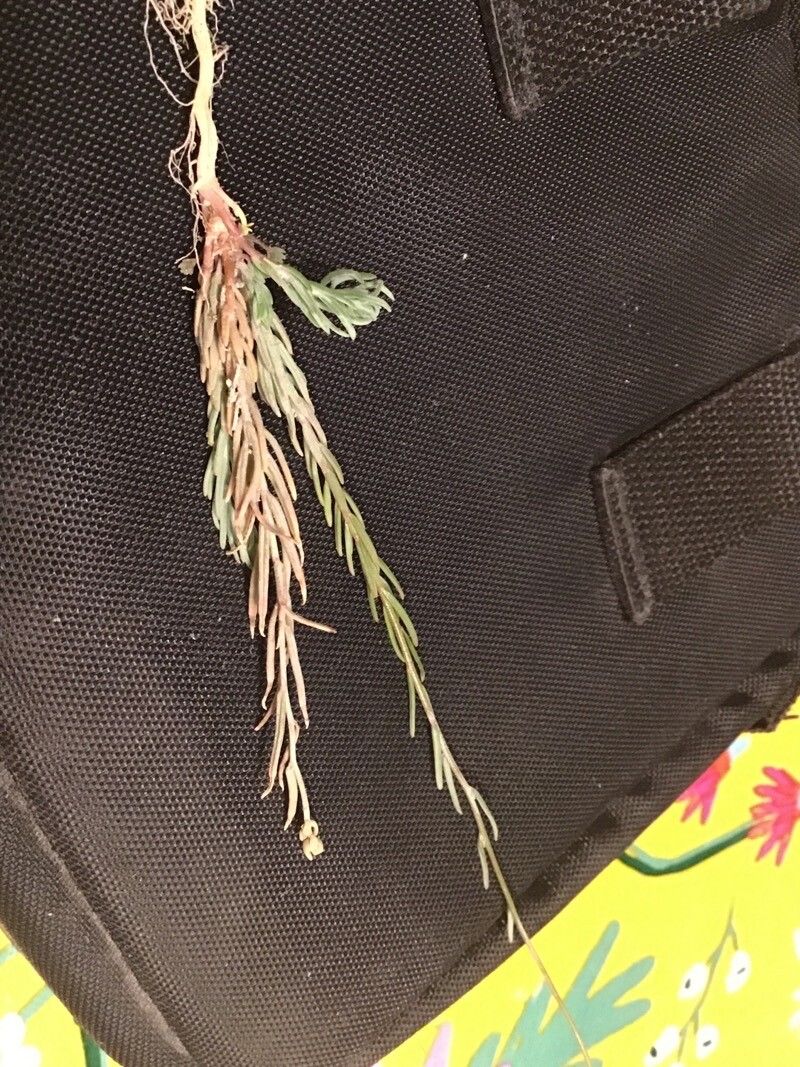
Hello fellow garden enthusiasts! Today, we’re diving into the delightful world of Linaria caesia, also known as Madeira toadflax. If you’ve ever admired its delicate, snapdragon-like flowers, often in shades of calming blues and purples, you’re not alone. It has a way of adding an ethereal touch to any garden border or container. And the best part? Propagating this beauty is a wonderfully rewarding endeavor, and I’m here to guide you through it.
Now, for those of you just starting out on your gardening journey, I’d say Linaria caesia falls somewhere in the moderately easy category for propagation. A little patience and attention, and you’ll be rewarded with new plants in no time!
The Best Time to Start
When you’re looking to expand your collection of Linaria caesia, late spring to early summer is your sweet spot. This is when the plant is actively growing and has plenty of healthy, non-woody stems to work with. Starting after the plant has finished its initial flush of blooming is also a good time, as it will have new growth readily available. Avoid trying to propagate when the weather is extremely hot and dry, or during the depths of winter.
Supplies You’ll Need
Before we get our hands dirty, let’s gather our tools of the trade:
- Sharp, clean pruning shears or a sterile knife: For taking neat cuttings.
- Small pots or trays: With drainage holes, of course!
- A well-draining potting mix: I like to use a mix of seed-starting mix and perlite (about a 50/50 ratio). This ensures good aeration and prevents soggy soil.
- Rooting hormone (optional but recommended): A powder or gel can significantly boost your chances of successful root development.
- A watering can with a fine rose attachment: To water gently without disturbing your cuttings.
- Plastic bags or a propagator: To create a humid environment.
- Soft labels and a marker: To keep track of what you’ve planted.
Propagation Methods
Linaria caesia can be propagated quite effectively through stem cuttings. Here’s how we’ll do it:
- Select Your Cuttings: Look for healthy, vigorous stems on your established plant. You want to choose non-flowering shoots that are about 4-6 inches long. Gently bend a stem – if it snaps cleanly, it’s usually a good sign it’s ready.
- Make the Cut: Using your clean shears or knife, make a clean cut just below a leaf node. A leaf node is that little bump on the stem where leaves grow. This is where roots are most likely to form.
- Prepare the Cuttings: Remove the lower leaves from the bottom half of the stem. This prevents them from rotting in the soil. If there are any flower buds forming on the cutting, pinch them off.
- Apply Rooting Hormone (Optional): Dip the cut end of the stem into your rooting hormone, tapping off any excess.
- Plant Your Cuttings: Fill your small pots or trays with your prepared potting mix. Moisten the soil thoroughly. Make a small hole in the center of the pot with your finger or a pencil, and gently insert the bottom inch or so of the cutting. Firm the soil gently around the stem to ensure good contact.
- Create Humidity: Water thoroughly to settle the soil. Then, cover the pots with a plastic bag or place them in a propagator. This creates a mini greenhouse effect, keeping the humidity high, which is crucial for cuttings to root. You can secure the bag with a rubber band around the pot.
The “Secret Sauce” (Pro Tips)
Here are a few little tricks I’ve picked up over the years that can really make a difference:
- Don’t Overcrowd! When you’re planting your cuttings, give them a little breathing room. If they’re too close, they can hinder each other’s development and increase the risk of fungal diseases. I usually plant 2-3 cuttings per small pot, spaced a couple of inches apart.
- Bottom Heat is Your Friend: If you can manage it, providing a little gentle warmth from underneath can speed up the rooting process. A heated propagator mat or even placing the pots on top of a gently running appliance can work wonders. It encourages root growth without drying out the leaves.
- Watch for Signs of Life, Not Just Roots: While we’re hoping for roots, keep an eye on the leaves of your cuttings. If they remain turgid and healthy-looking, it’s a good indication that the cutting is trying to establish itself, even if roots aren’t visible yet.
Aftercare & Troubleshooting
Once your cuttings have been planted, keep them in a bright spot out of direct sunlight. Water them whenever the top layer of soil feels dry to the touch, always watering gently.
You’ll know you have success when you see new leafy growth emerging from the top of the cutting. This is a great sign that roots have formed! Once they’ve rooted, give them a few weeks to establish in their pot before transplanting them into larger containers or their final garden spot.
Now, what if things don’t go as planned? The most common culprit is rot. If your cuttings turn black and mushy at the base, they’re likely suffering from too much moisture and not enough air circulation. This is where that well-draining soil and the humidity tent come into play – it’s a balancing act! If you see signs of rot, unfortunately, it’s best to discard the affected cuttings and start again, perhaps with slightly drier soil or better ventilation. Yellowing leaves can sometimes mean not enough light, or they might be naturally shedding old leaves.
A Little Patience Goes a Long Way
Propagating plants is an act of hope and patience. Don’t get discouraged if every single cutting doesn’t take. Nature has its own rhythm, and with each attempt, you’ll learn more. Enjoy the process, celebrate your successes, and soon you’ll have a garden filled with beautiful Linaria caesia, all thanks to your own green thumb! Happy gardening!
Resource: