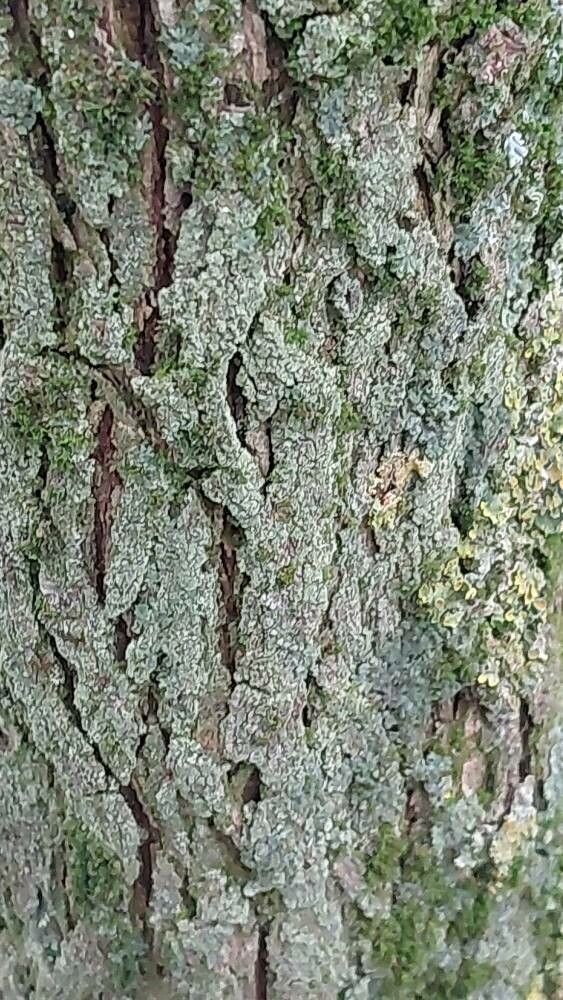
Oh, Lagerstroemia limii! If you’re looking for a blooming beauty that brings vibrant color and elegant form to your garden, you’ve found a winner. These crepe myrtle cousins boast stunning flower panicles, often in shades of pink, purple, or white, and their graceful branching structure makes them a joy to behold. If you’ve fallen in love with a particular specimen, or just want to expand your collection, propagating your own Lagerstroemia limii is a wonderfully rewarding endeavor. For beginners, it’s a moderately achievable project – a little patience and a few key steps will get you well on your way!
The Best Time to Start
The sweet spot for propagating Lagerstroemia limii is generally late spring to early summer. This is when the plant is actively growing, making it more likely to root successfully. Look for semi-hardwood cuttings – these are stems that have started to mature but are still somewhat flexible. You’ll know them because they’ll snap rather than bend easily. Avoid taking cuttings from brand-new, soft growth, as these tend to be too fragile, or from completely woody stems, which can be slower to root.
Supplies You’ll Need
Here’s what you’ll want to have on hand before you get started:
- Sharp Pruning Shears or a Clean Knife: For making precise cuts. Sterilize them with rubbing alcohol to prevent disease.
- Rooting Hormone: A powder or gel that encourages root development.
- Potting Mix: A well-draining mix is crucial. I like a blend of equal parts perlite, peat moss, and coarse sand. You can also find commercially made propagation mixes.
- Small Pots or Seed Trays: Clean pots with drainage holes are best.
- Clear Plastic Bags or a Propagation Dome: To create a humid environment.
- Watering Can or Mister: For gentle watering.
- Labels: Don’t forget to label your cuttings!
Propagation Methods
Let’s get our hands dirty with stem cuttings – this is usually the most successful and straightforward method for Lagerstroemia limii.
Stem Cuttings:
- Select Your Cuttings: Choose healthy stems that are about 4-6 inches long. Make a clean cut just below a leaf node (where a leaf attaches to the stem).
- Prepare the Cuttings: Gently remove the lower leaves, leaving just a few at the top. This prevents them from rotting in the soil and encourages the plant to focus energy on root production. If your cuttings are particularly long, you can even pinch off the tip to encourage bushier growth later.
- Apply Rooting Hormone: Dip the cut end of each stem into your rooting hormone, tapping off any excess. This step really boosts your chances of success!
- Plant Your Cuttings: Fill your clean pots with your prepared potting mix. Make small holes in the soil with a pencil or your finger. Insert the cut end of each cuttings into the hole, about 1-2 inches deep, making sure the nodes where you removed the leaves are buried. Gently firm the soil around the stem.
- Water and Cover: Water the soil thoroughly but gently. Then, cover the pot with a clear plastic bag or place it under a propagation dome. This creates a mini-greenhouse effect, keeping humidity high, which is vital for rooting.
The “Secret Sauce” (Pro Tips)
Here are a couple of things I’ve learned over the years that can make a big difference:
- Bottom Heat is Your Friend: If you have an old heating mat designed for seedlings, placing your pots on it can significantly speed up root formation. The warmth encourages root activity from below. Just make sure it’s not too hot – you don’t want to cook your cuttings!
- Don’t Drown Your Hopes: While humidity is essential, avoid letting the leaves of your cuttings sit directly in standing water within the pot or container. This is a fast track to rot. Ensure your soil is moist but not soggy.
Aftercare & Troubleshooting
Once your cuttings are potted up, place them in a bright spot with indirect light. Avoid direct sun, which can scorch them through the plastic. Keep the soil consistently moist but not waterlogged. Resist the urge to tug on them! You’ll know your cuttings have rooted when you start to see new leaf growth, or when they feel resistant when you give them a gentle tug. This can take anywhere from 4 to 8 weeks, sometimes longer.
The most common problem you might encounter is rot. If you see your cuttings turning black or mushy, it’s usually a sign of too much moisture and/or poor air circulation. If this happens, you can try removing the affected cuttings, ensuring the soil is less saturated, and improving air flow by occasionally opening the plastic bag. Don’t be discouraged if some don’t make it – it’s part of the learning process!
A Little Encouragement
Propagating plants is a journey, my friends. It’s about patience, observation, and a bit of faith in nature’s magic. Celebrate the small victories, learn from the setbacks, and most importantly, enjoy the process of bringing more beauty into your life, one new plant at a time. Happy gardening!
Resource:
https://identify.plantnet.org/k-world-flora/species/Lagerstroemia%20limii%20Merr./data