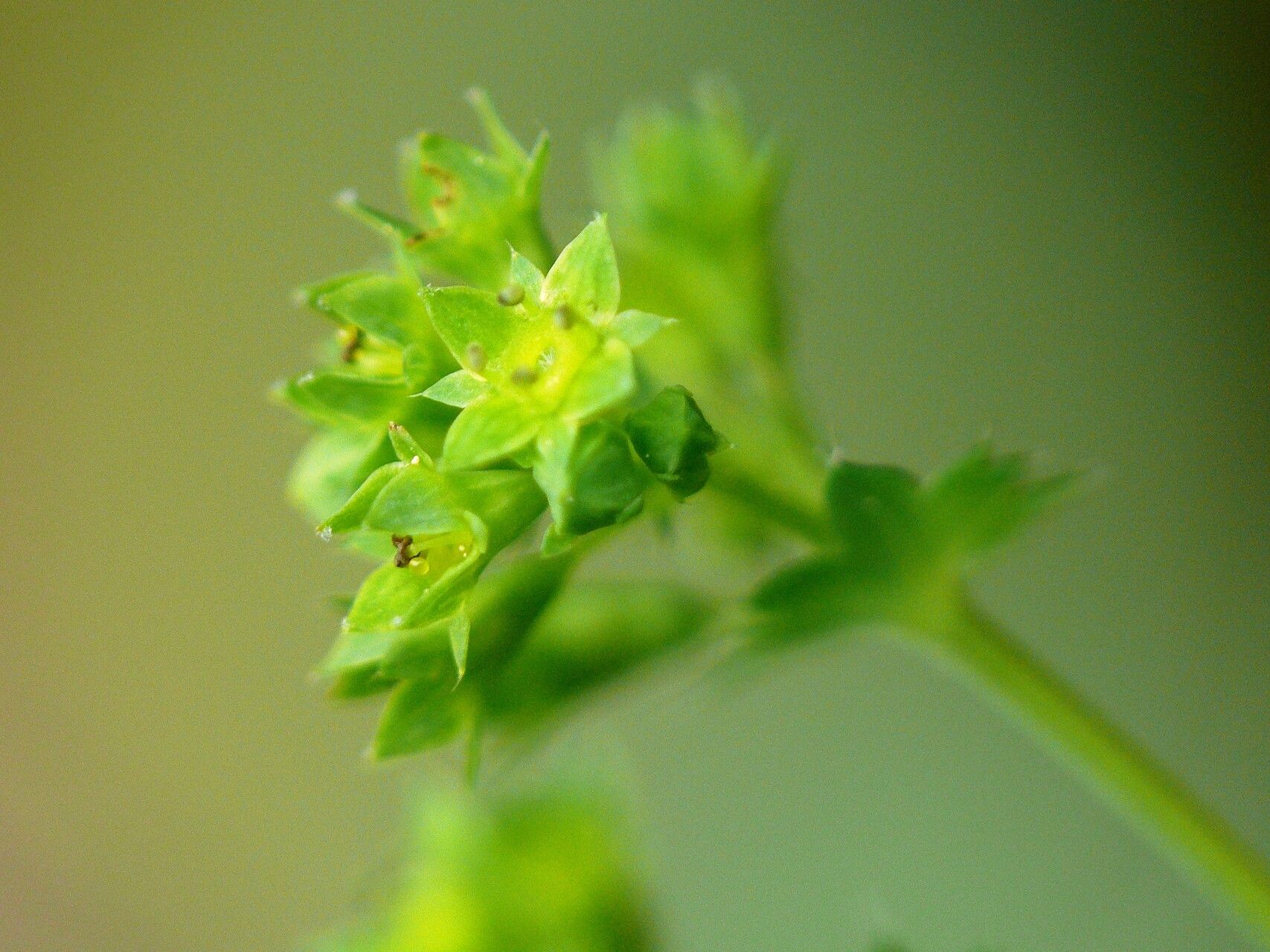
Oh, hello there, fellow garden enthusiast! Pull up a chair, grab your favorite mug, and let’s chat about one of my absolute favorite plants: Alchemilla micans, or as many of us lovingly call it, the Lemon Coral Alchemilla. Isn’t it just the most delightful little jewel in the garden? Those sprays of tiny, chartreuse flowers, often dusted with dew, really do shimmer like a thousand tiny emeralds. And the foliage! That lovely, lobed leaf shape is just so classic.
Now, if you’ve fallen for its charms, you’re in luck. Propagating Alchemilla micans is a joy, and a rather straightforward one at that. Even if you’re just dipping your toes into the world of plant propagation, you’ll find this little beauty quite forgiving. It’s a wonderful way to fill out your borders, share with friends, or simply enjoy more of its sunny disposition.
The Best Time to Start
For the highest success rate with Alchemilla micans, I always recommend waiting until late spring or early summer. The plant is actively growing at this time, putting out fresh stems and leaves. This vigor is exactly what we want when we’re trying to encourage new roots. Trying to propagate too early, when things are still waking up, or too late, as things start to wind down for winter, can make things a bit harder on both you and the plant.
Supplies You’ll Need
Before we get our hands dirty, let’s gather our tools. You don’t need anything too fancy, just the essentials:
- Sharp pruning shears or scissors: Cleanliness is key to prevent disease.
- Rooting hormone (optional but recommended): This little powder can significantly speed up the process and increase your success rate.
- A gritty, well-draining potting mix: I like a blend of equal parts peat moss or coco coir and perlite or coarse sand. This prevents waterlogging.
- Small pots or trays: Clean containers with drainage holes are a must. 4-inch pots are usually a good size to start.
- A watering can with a fine rose: Gentle watering is important.
- Plastic bags or a propagator lid: This helps maintain humidity.
Propagation Methods
Alchemilla micans is wonderfully amenable to a few different propagation methods. My favorite is taking stem cuttings, as it’s quite reliable.
Stem Cuttings:
- Select your material: Look for healthy, non-flowering stems that are about 3-4 inches long. These are often called “softwood cuttings.” Gently pull or cut a piece from the main plant.
- Prepare the cuttings: Carefully remove the lower leaves, leaving just a couple at the very top. This prevents them from rotting once planted. If your stems are a bit floppy, you can even cut the remaining leaves in half.
- Apply rooting hormone: Dip the cut end of each stem into your rooting hormone. A light coating is all you need. Tap off any excess.
- Plant the cuttings: Make a small hole in your pre-moistened potting mix using a pencil or dibber. Gently insert the cutting into the hole, ensuring the stripped part of the stem is below the surface. Firm the soil gently around it.
- Water and cover: Water the pots gently to settle the soil around the cuttings. Then, cover the pots with a plastic bag or a propagator lid. This creates a mini-greenhouse effect, keeping the humidity high.
The “Secret Sauce” (Pro Tips)
Here are a few little tricks I’ve learned over the years that can make all the difference:
- Don’t overcrowd your pots! Give those cuttings a little space to breathe and for you to easily check on them. Overcrowding can lead to fungal issues.
- Bottom heat is your friend. If you have a heated propagator mat, placing your pots on it can really encourage faster root development, especially if the weather isn’t consistently warm. It mimics the cozy conditions of summer.
- Watch for the “give.” When you gently tug on a cutting after a few weeks, it should resist slightly. That’s your tell-tale sign of roots! If it wiggles freely, it hasn’t rooted yet.
Aftercare & Troubleshooting
Once your cuttings are planted, place them in a bright spot but out of direct, harsh sunlight. Keep the soil consistently moist but not soggy. You can periodically lift the plastic bag to allow for some air circulation – I usually do this for a few minutes every couple of days.
You should start to see signs of new growth within 3-6 weeks. This is a strong indicator that roots have formed. Once you see this, you can gradually start to acclimate them to less humid conditions by opening the bag for longer periods.
The biggest thing to watch out for is rot. If you see mushy, black stems, it’s usually a sign of too much moisture and not enough air circulation. Sadly, these cuttings are likely lost. Don’t despair, though! Just clean out the pot and try again. Good drainage and not overwatering are key to preventing this.
A Encouraging Closing
There you have it! Propagating Alchemilla micans is a wonderfully rewarding way to multiply your garden’s beauty. Be patient with your new little plants. Gardening is always a dance with nature, and sometimes things take their sweet time. Enjoy the process, celebrate your successes, and soon you’ll have a whole garden full of that cheerful Lemon Coral Alchemilla to admire! Happy propagating!
Resource:
https://identify.plantnet.org/k-world-flora/species/Alchemilla%20micans%20Buser/data