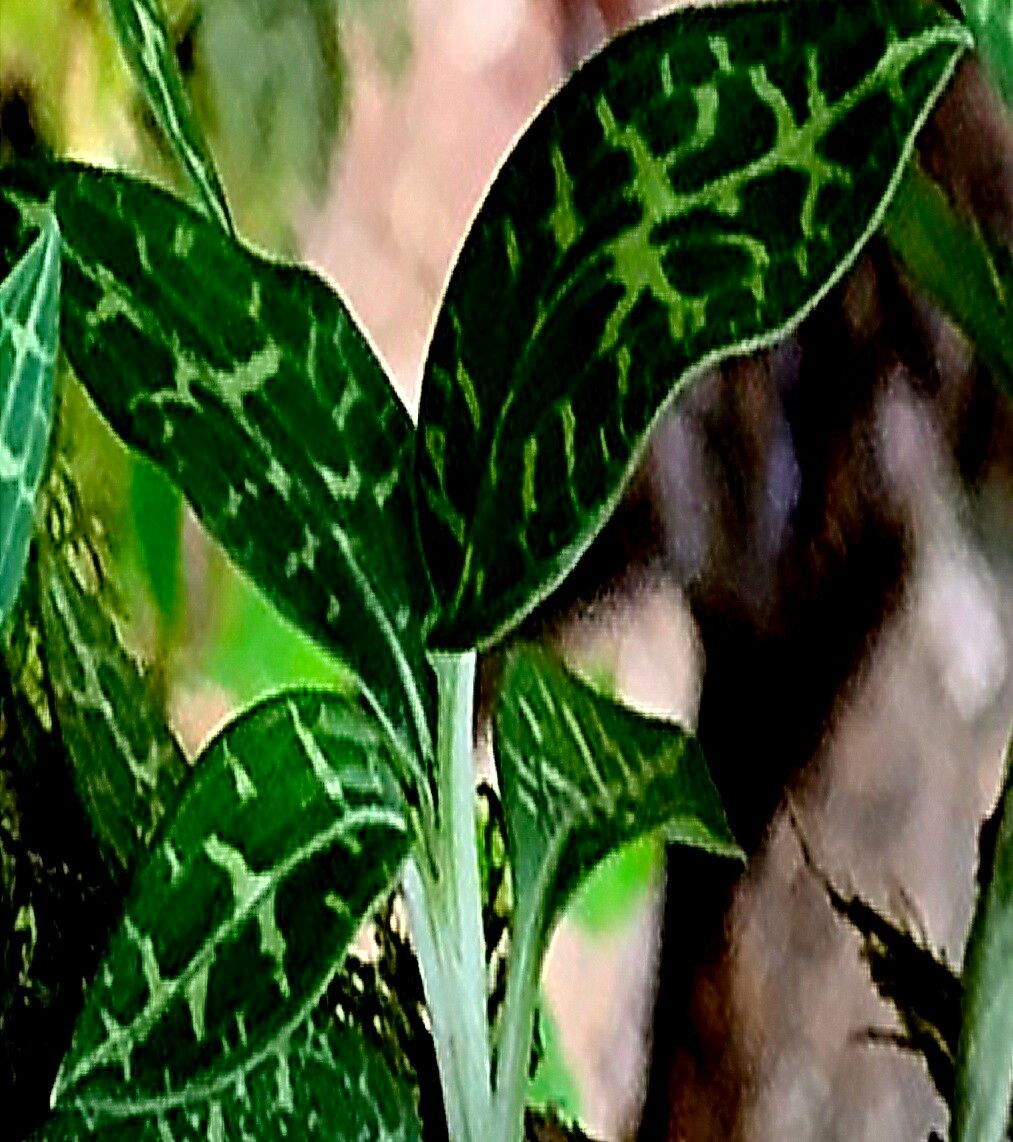
Oh, hello there! I’m so glad you’re interested in Goodyera schlechtendaliana. It’s a truly charming little plant, isn’t it? I’ve been growing it for years, and it always brings a smile to my face with its textured foliage. Propagating it yourself is such a rewarding experience – like creating a little piece of green magic from something you already love. Now, I’ll be honest, it’s not the easiest plant to start from scratch, but with a little patience, I think you’ll find it’s absolutely achievable.
The Best Time to Start
My best advice? Spring is your golden ticket for propagating Goodyera schlechtendaliana. This is when the plant is actively growing, brimming with energy. You’ll see new shoots emerging, and these are the ones that have the most vigor for taking root. Aim for the time after the initial flush of spring growth, when the new stems are still tender but have had a little time to mature.
Supplies You’ll Need
Here’s what I always have on hand when I’m prepping for propagation:
- Sharp, clean pruning shears or a sharp knife: Crucial for clean cuts that heal well.
- Well-draining potting mix: I like a blend of peat moss, perlite, and a bit of orchid bark. Something that doesn’t hold too much moisture.
- Small pots or propagation trays: Clean ones are key to preventing disease.
- Rooting hormone (optional but helpful): A powdered or gel type works well for encouraging root development.
- Watering can with a fine rose: For gentle watering.
- Plastic bag or dome: To create a humid environment for cuttings.
- A small trowel or dibber: For making holes in the soil.
Propagation Methods
Goodyera schlechtendaliana is best propagated through division or by taking stem cuttings. For beginners, division is often a little more forgiving.
Division
This is my go-to method for mature plants.
- Gently remove the plant from its pot. You want to be as un-disruptive as possible.
- Inspect the root ball. Look for distinct sections. You’ll often see where the plant naturally wants to divide, with separate shoots and root systems.
- Carefully tease apart the sections. You can use your fingers, or if it’s a bit stubborn, a clean knife can help gently separate the roots. Don’t force it too much; you don’t want to damage the delicate roots.
- Pot up each division. Place each new plant into its own small pot filled with your well-draining mix. Ensure the base of the plant is at soil level.
- Water gently. Give them a good, but not drenching, initial watering.
Stem Cuttings
This method requires a bit more finesse, but it’s quite satisfying to see a clump grow from a single stem.
- Select a healthy, non-flowering stem. Look for one that’s about 2-3 inches long and has at least a couple of leaves. Make a clean cut just below a leaf node (where a leaf attaches to the stem).
- Remove the lower leaves. You want a clean stem so it can focus its energy on rooting.
- Dip the cut end in rooting hormone (optional). This can significantly speed up the process.
- Plant the cutting. Make a small hole in your potting mix with a dibber or your finger. Gently insert the cutting, ensuring the leaf nodes are below the soil surface.
- Firm the soil gently around the stem.
- Create a humid environment. Water lightly and then cover the pot with a clear plastic bag (supported by stakes so it doesn’t touch the leaves) or place it in a propagation dome.
The “Secret Sauce” (Pro Tips)
Here are a couple of things I’ve learned over the years that make a difference:
- Don’t let those precious leaves touch the water if you’re using water propagation! (Though I strongly prefer soil for Goodyera schlechtendaliana.) If the leaves sit in stagnant water, they’ll rot right off. It’s all about keeping that connection point damp, not the whole leafy bit.
- Bottom heat can be a game-changer. Many tropical plants, including this one, absolutely love a bit of warmth from below. Propagator mats or placing pots on top of a router (if it’s not too hot!) can really encourage those roots to get going. Just keep an eye on moisture levels.
Aftercare & Troubleshooting
Once you see signs of new growth — a little sprout or the beginnings of roots peeking through the drainage holes — your new plant is on its way!
- Gradually acclimate your new plants. If you’ve used a cover, start by opening it for a few hours a day to let them get used to normal humidity.
- Keep the soil consistently moist, but never soggy. Think “damp sponge.”
- Provide bright, indirect light. No harsh direct sun for these youngsters!
The most common issue you might face is rot. This usually happens if the soil is too wet, or if the air circulation is poor. If you see a cutting looking mushy or turning brown and limp, it’s likely rot. Unfortunately, at that point, it’s usually best to discard it and try again with fresh material and improved conditions. Cleanliness is paramount!
A Encouraging Closing
So there you have it! Propagating Goodyera schlechtendaliana is a journey, not a race. Be patient with your little cuttings or divisions, give them the right conditions, and I have a feeling you’ll be rewarded with new plants to share or to simply enjoy. Happy propagating!
Resource:
https://identify.plantnet.org/k-world-flora/species/Goodyera%20schlechtendaliana%20Rchb.f./data