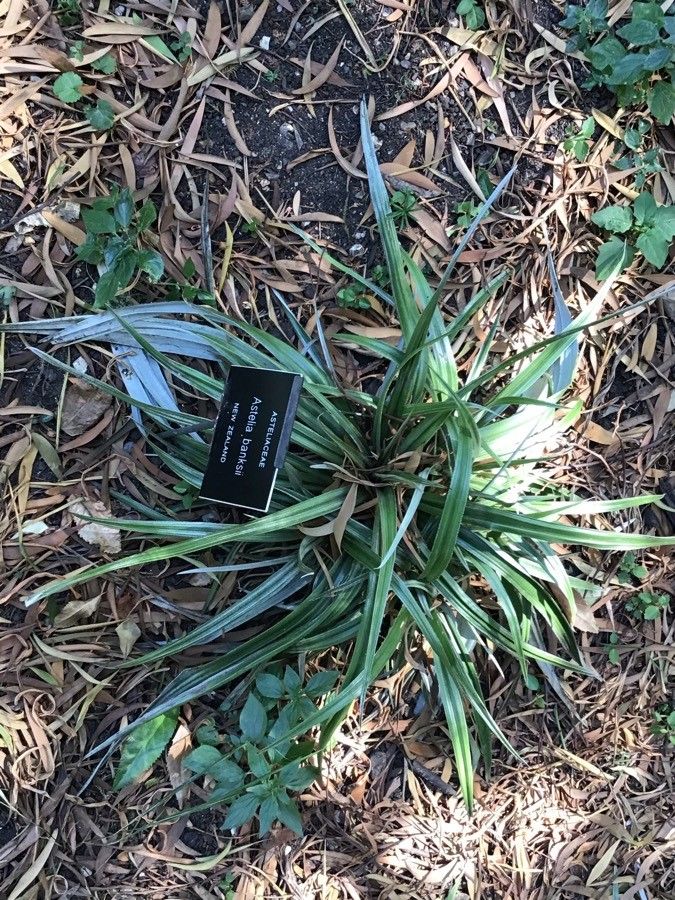
Hello fellow plant lovers! I’m so excited to chat with you today about one of my favorite architectural beauties: Astelia banksii. If you’ve ever seen this striking New Zealand native gracing a garden, you know why I’m smitten. Those silvery, bronzed, sword-like leaves create such a dramatic focal point, don’t they? And the best part? You can absolutely bring more of this beauty into your own space by propagating it yourself. It’s a wonderfully rewarding process, and honestly, I think most gardeners, even those just dipping their toes into propagation, will find Astelia banksii quite manageable.
The Best Time to Start
For Astelia banksii, the sweet spot for propagation is most definitely spring and early summer. This is when the plant is bursting with energy and ready to grow. You’ll find that cuttings taken during this active growing season have the best chance of developing strong roots. Waiting until after the plant has finished a major growth spurt, but before the intense heat of mid-summer, seems to work wonders for me.
Supplies You’ll Need
To set yourself up for success, have these handy:
- Sterile potting mix: A well-draining mix is key. I often use a blend of perlite and coco coir, or a good quality seed-starting mix.
- Sharp, clean pruning shears or a knife: For making clean cuts.
- Rooting hormone (optional but recommended): Helps speed things up significantly. Look for one formulated for stem cuttings.
- Small pots or seed trays: Clean ones are crucial to prevent disease.
- Watering can with a fine rose or a mister: Gentle watering is important.
- Plastic bags or cloches: To create a humid environment.
- Gravel or perlite (for bottom watering): A little trick I’ll share later!
Propagation Methods
Astelia banksii is best propagated by division. While you might find others trying stem cuttings, I’ve had the most consistent success with this method.
Division
This is my go-to for Astelia banksii. Here’s how I do it:
- Gently unpot your established Astelia. Carefully loosen the soil around the root ball.
- Inspect the base of the plant. You’re looking for distinct clumps or offsets that have started to form their own root systems. These are your potential new plants!
- Carefully separate the divisions. You can often do this by hand if the roots are young. For more established clumps, you might need to use a clean, sharp knife or even a trowel to gently cut through the rhizomes, ensuring each division has a good portion of roots attached.
- Pot up your new divisions. Pot each section into its own small container filled with your sterile, well-draining potting mix. Make sure the base of the new plant is at soil level.
The “Secret Sauce” (Pro Tips)
Here are a couple of things I’ve learned over the years that make a real difference:
- Don’t be afraid to get your hands dirty, but be gentle. When separating divisions, it’s easy to be a bit rough. Remember, you’re trying to preserve those precious roots. Think of it more like teasing apart spaghetti than hacking through a root ball.
- Give them a little “foot spa” with bottom watering. After potting your divisions, I like to place the pots in a shallow tray filled with a centimeter or two of water. Let them soak for about 30 minutes, allowing the soil to absorb moisture from the bottom up. This avoids disturbing the delicate new roots and ensures even hydration. Once done, tip out any excess water so the pots aren’t sitting in standing water.
Aftercare & Troubleshooting
Once your divisions are potted, the key is to keep them consistently moist but not waterlogged. Place them in a bright spot with indirect light. I like to tent a plastic bag loosely over the pot to create a mini-greenhouse effect, which helps maintain humidity.
You’ll know your new Astelia banksii is settling in when you see new leaf growth emerge. This can take a few weeks, so patience is your best friend here!
The most common issue you might encounter is rot. This usually happens if the soil stays too wet and there’s not enough air circulation. If you notice the leaves turning brown and mushy, or the base of the plant looking dark and soft, it’s a sign of too much moisture. In this case, you might need to gently remove the affected part and try to dry out the remaining root system before replanting in fresh, drier mix.
Happy Propagating!
There you have it! Propagating Astelia banksii through division is a straightforward and incredibly rewarding way to expand your collection. Just remember to be patient, keep them comfortably moist, and give them a bright, airy spot. Watching those new leaves unfurl is a joy. Happy gardening, and I hope you enjoy many more silvery beauties in your life!
Resource:
https://identify.plantnet.org/k-world-flora/species/Astelia%20banksii%20A.Cunn./data