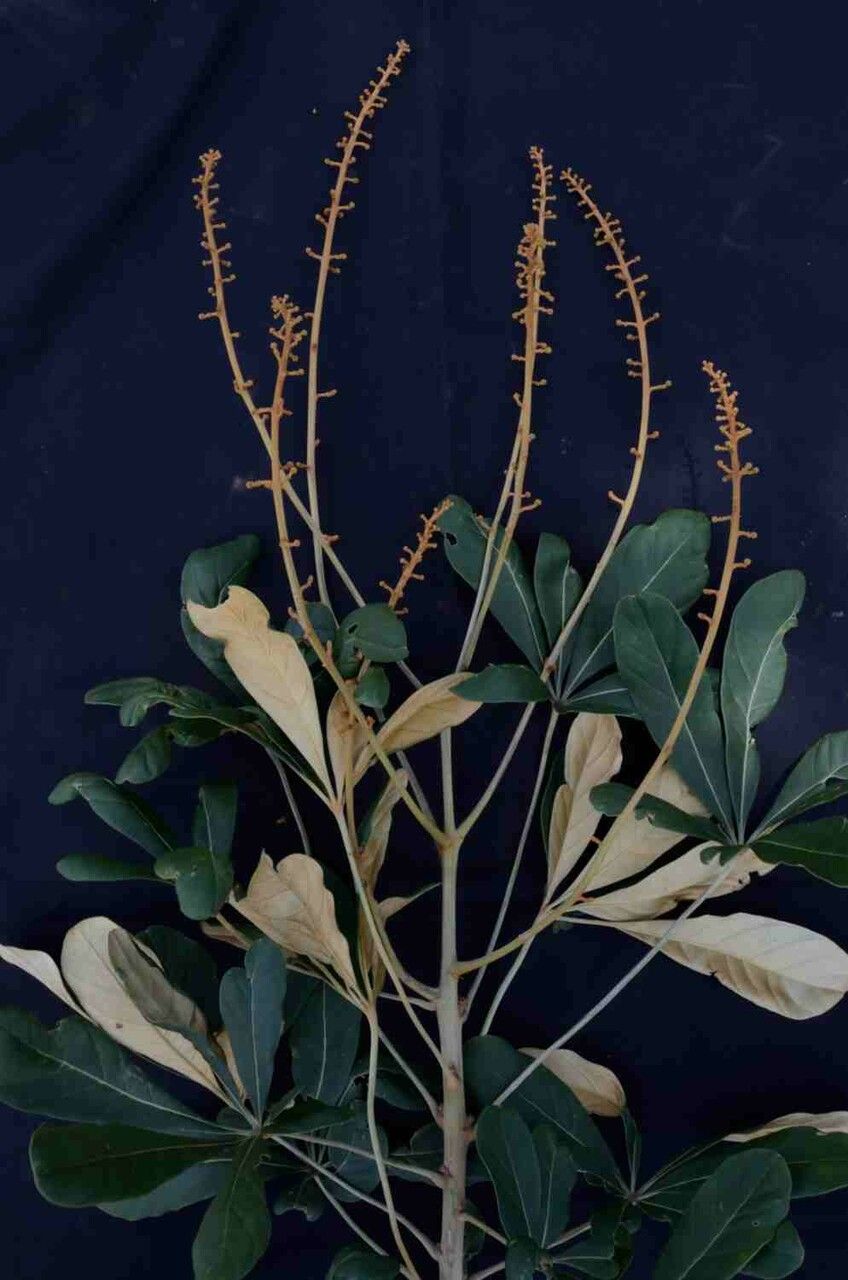
Oh, Didymopanax vinosus! If you’ve ever walked past this striking plant with its glossy, hand-shaped leaves and wondered how to get more of its magic for your own space, you’re in for a treat. These plants are simply stunning, adding a touch of the tropics to any garden or indoor collection. And the joy of coaxing new life from a mere cutting? It’s incredibly rewarding, a little miracle unfolding right before your eyes. Now, full disclosure: Didymopanax vinosus isn’t the absolute easiest plant for a complete beginner to propagate, but with a little care and these straightforward steps, I promise you, it’s entirely achievable. You’ve got this!
The Best Time to Start
For the highest success rate with Didymopanax vinosus, the sweet spot is late spring to early summer. This is when the plant is actively growing and has plenty of energy to put into developing roots. You’re looking for semi-hardwood cuttings – that means stems that are a bit firm but still have some flexibility. Avoid taking cuttings from brand new, soft growth or from very old, woody stems.
Supplies You’ll Need
Let’s gather our tools for this exciting propagation adventure. Having everything ready will make the process so much smoother.
- Sharp, clean pruning shears or a knife: For making precise cuts. Sterilize them with rubbing alcohol before and after use!
- Rooting hormone: This isn’t strictly mandatory, but it can significantly boost your success rate, especially with trickier-to-root plants. Look for one with a fungicide to help prevent rot.
- Small pots or containers: About 4-6 inches deep are ideal. Make sure they have drainage holes.
- Well-draining potting mix: I like a blend of equal parts peat moss, perlite, and coarse sand. A commercial seed-starting mix can also work well.
- Clear plastic bags or a propagation dome: To create a humid environment for your cuttings.
- A watering can or mister: For gentle watering.
- Optional: A heat mat: This can really speed up root development.
Propagation Methods
Didymopanax vinosus is most commonly and successfully propagated from stem cuttings. Let’s walk through it.
- Select and Take Cuttings: On a healthy, vigorous Didymopanax plant, look for stems that are about pencil-thick and 6-8 inches long. Using your sterilized pruning shears, make a clean cut just below a leaf node (the point where a leaf attaches to the stem).
- Prepare the Cuttings: Gently remove the lower leaves, leaving just 2-3 leaves at the top. If the remaining leaves are very large, you can cut them in half horizontally. This reduces water loss from the cutting.
- Apply Rooting Hormone: Dip the cut end of each stem into your rooting hormone powder. Tap off any excess.
- Potting Up: Fill your clean pots with the well-draining potting mix. Make a hole in the center of the mix with your finger or a pencil.
- Insert the Cuttings: Place the hormone-coated end of the cutting into the hole, and gently firm the potting mix around it. Ensure at least one leaf node is buried beneath the surface.
- Water Gently: Water the mix thoroughly but gently. You want the soil to be moist, not soggy.
- Create Humidity: Cover each pot loosely with a clear plastic bag, securing it around the rim with a rubber band, or place the pots inside a propagation dome. This creates a miniature greenhouse for your little plant babies.
The “Secret Sauce” (Pro Tips)
Here are a few little tricks I’ve learned over the years that often make all the difference.
- Don’t let the leaves touch the water: When you water your potted cuttings, make sure none of the leaves are sitting in standing water. This is a fast track to rot! A good watering that then drains away is what you want.
- Bottom heat is your friend: If you have a heat mat, placing your pots on it can dramatically speed up root formation. The warmth encourages the plant’s natural rooting hormones to get to work. A temperature of around 70-75°F (21-24°C) is ideal.
- Patience is key: Didymopanax can be a bit slow to root. Resist the urge to constantly pull them up to check for roots!
Aftercare & Troubleshooting
Once your cuttings are potted and settled, here’s how to care for them and what to watch out for.
Keep the pots in a bright, indirect light location. Avoid direct sunlight, which can scorch those tender new leaves. Mist the cuttings daily or check the humidity under the plastic. The soil should remain consistently moist but not waterlogged. Roots typically start to form in 4-8 weeks, sometimes longer. You’ll know they’re ready when you see new leaf growth and feel a gentle resistance when you very gently tug on the cutting.
The most common issue you might encounter is rot. If your cutting turns black and mushy or starts to smell musty, it’s likely succumbed to rot. This is often caused by too much moisture, poor drainage, or lack of air circulation. If you see a little bit of mildew on the soil surface, you can try increasing ventilation by propping open the plastic bag a bit. If rot sets in, unfortunately, it’s best to discard the affected cutting and prevent it from spreading to others.
A Encouraging Closing
Propagating plants is a journey, and sometimes there are a few bumps along the way. Don’t be discouraged if every single cutting doesn’t make it. Celebrate the successes! Watching those tiny roots emerge and a new plant begin to thrive is one of the most rewarding experiences in gardening. So, grab your shears, get your hands dirty, and enjoy the magical process of bringing more of that beautiful Didymopanax vinosus into your life. Happy propagating!
Resource: