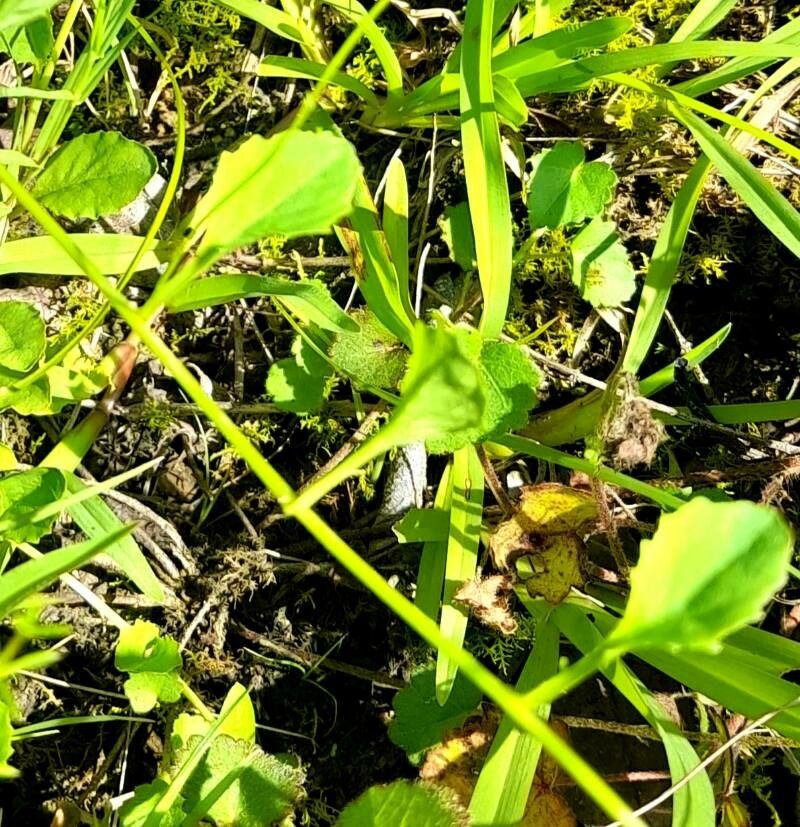
Oh, hello there! Grab a mug of your favorite brew, because today we’re diving into the wonderful world of propagating Lobelia nana. If you’ve ever admired those exquisite, tiny blue flowers spilling over the edges of a pot or creating a delicate carpet in your garden beds, you’re in for a treat. Growing these little beauties from scratch is incredibly satisfying, and honestly, not as daunting as you might think. It’s a wonderful way to fill out your existing displays or share these darlings with friends.
The Best Time to Start
For Lobelia nana, the sweet spot for propagation is generally in late spring or early summer. We’re looking for actively growing, healthy plants. This is when they’re brimming with vigor, meaning they’re more likely to produce strong cuttings and root with enthusiasm. Avoid trying to propagate from plants that are stressed, weak, or just finished flowering.
Supplies You’ll Need
Gathering your tools beforehand makes the whole process smoother. Here’s what I usually have on hand:
- A sharp pair of pruning shears or a clean craft knife. Cleanliness is key to preventing disease!
- A high-quality seed-starting mix or a well-draining potting soil. A mix with perlite or vermiculite is perfect. You can even make your own by combining equal parts peat moss and perlite.
- Small pots or trays with drainage holes. Old yogurt cups with holes poked in the bottom work in a pinch!
- Rooting hormone (optional, but can give you a little boost). I prefer the powder form for cuttings.
- A spray bottle for misting.
- A clear plastic bag or dome to create a mini-greenhouse.
- Labels and a permanent marker to keep track of your efforts!
Propagation Methods
Lobelia nana is a champion at responding to stem cuttings. It’s my go-to method, and I find it’s the most reliable.
- Take Your Cuttings: With your clean shears, snip off healthy stems from your parent plant. Look for non-flowering shoots that are about 3-4 inches long. Make your cut just below a leaf node (where a leaf attaches to the stem).
- Prepare the Cuttings: Gently remove the lower leaves from the cutting, leaving just a few at the top. This prevents them from rotting once they’re in the soil.
- Apply Rooting Hormone (Optional): If you’re using rooting hormone, dip the cut end of each prepared stem into the powder, tapping off any excess.
- Plant Your Cuttings: Fill your small pots with your prepared soil mix. Make a small hole in the center with your finger or a pencil. Insert the cut end of the lobelia cutting into the hole, ensuring the leaf nodes are covered by soil. Firm the soil gently around the base.
- Water and Cover: Water the soil lightly until it’s moist but not soggy. Then, cover the pot with a clear plastic bag or a propagation dome. This traps humidity, which is crucial for cuttings to root.
The “Secret Sauce” (Pro Tips)
- Avoid the Dreaded Drip: If you’re doing water propagation (though I prefer soil for these), make sure the leaves never touch the water. Rot sets in quickly if they do. Stick to just the stem in the water.
- Embrace the Warmth: Lobelia nana cuttings love a bit of bottom heat. Placing your pots on a heat mat specifically designed for propagation can significantly speed up the rooting process. It mimics the warmth of the soil in the height of summer.
- Patience, Young Grasshopper: Don’t be tempted to pull up your cuttings to check for roots too often! I like to give them a good 2-4 weeks before I even think about gently tugging one. You’ll start to see new growth at the top when roots have formed.
Aftercare & Troubleshooting
Once you see signs of new growth at the top of your cutting, it’s a good indication that roots have formed! Gradually acclimatize your new little plants to open air by removing the plastic cover for short periods each day. Water them consistently, keeping the soil evenly moist but not waterlogged.
The most common issue you’ll face is rot, often caused by overwatering or poor air circulation. If you see a cutting turning black and mushy, it’s usually a lost cause. That’s why starting with healthy material and using well-draining soil is so important. Another sign of failure is if the cutting simply shrivels up and dies – this can happen if it’s too dry or the humidity isn’t high enough.
A Little Encouragement
Propagating Lobelia nana is a journey of observation and a little bit of faith. Don’t be discouraged if your first few attempts aren’t perfect. Every gardener has lost a cutting or two! The joy is in the process, learning what works for your plants in your space, and soon you’ll have a whole host of these delightful blue gems to enjoy. Happy propagating!
Resource:
https://identify.plantnet.org/k-world-flora/species/Lobelia%20nana%20Kunth/data