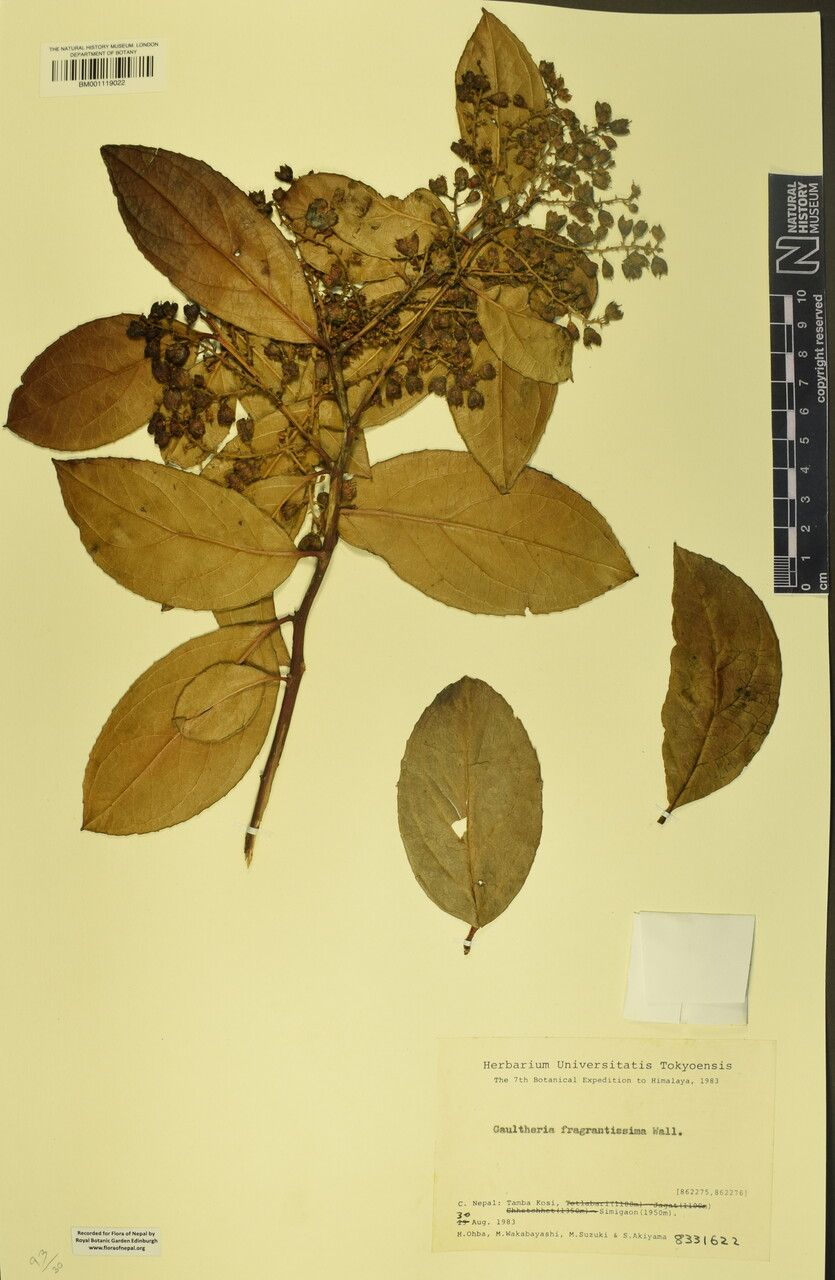
Oh, hello there! Pull up a chair. I’m so glad you’re interested in spreading the love for Gaultheria fragrantissima. This wonderful little plant, with its delightful scent and lovely evergreen foliage, is a real gem for any garden. It brings a touch of the wild and a subtle fragrance, especially on a warm day. And the best part? You can easily make more of it right in your own home! Propagating Gaultheria can feel a little intimidating at first, but trust me, it’s quite doable, even for those just dipping their toes into the world of plant propagation. We’ll get you there, step by step.
The Best Time to Start
For the highest chances of success when propagating Gaultheria fragrantissima, late spring to early summer is your sweet spot. This is when the plant is actively growing, putting out nice, tender new shoots that are more pliable and eager to root. Waiting until the stems have hardened off a bit, but are still flexible, is key. Think of it like baking – you want the ingredients just right for the best result!
Supplies You’ll Need
Gathering your tools before you start makes the whole process much smoother. Here’s what I always have on hand:
- Sharp Pruning Shears or a Knife: Cleanliness is paramount; avoid crushing the stems.
- Rooting Hormone: This isn’t strictly mandatory, but it really gives those new cuttings a boost. Look for a powder or gel specifically for stem cuttings.
- Potting Mix: A good, well-draining mix is crucial. I like to use a blend of equal parts peat moss, perlite, and coarse sand. Some growers also find success with a dedicated seedling or cutting mix.
- Small Pots or Trays: Clean pots are a must. Small ones are perfect for cuttings.
- Plastic Bags or a Propagator: This creates a humid environment, which is vital for rooting.
- Water: Always have some handy for misting.
- Labels: You’ll thank yourself later for labeling your cuttings!
Propagation Methods
There are a couple of ways to go about this, but my favorite, and generally the most successful for Gaultheria, is stem cuttings.
Stem Cuttings: Giving it a Whiff of New Life
- Select Your Cuttings: Find healthy, non-flowering shoots on your established plant. You’re looking for stems that are about 4-6 inches long. They should be firm but not woody. Gently bend a tip; if it snaps cleanly, it’s probably too old. If it’s extremely floppy, it might be too young. We’re aiming for that perfect in-between.
- Make the Cut: Using your clean, sharp shears, make a cut just below a leaf node. This is a joint in the stem where a leaf grows. This is where the magic of rooting often happens. For each cutting, remove the leaves from the bottom half or two-thirds of the stem. This prevents them from decaying in the soil and encourages the plant to focus its energy on root development. Leave a few leaves at the top to continue photosynthesis.
- Dip in Rooting Hormone: Lightly moisten the cut end of each stem, then dip it into your rooting hormone. Tap off any excess. You want a thin, even coating.
- Plant Your Cuttings: Fill your clean pots with your well-draining potting mix. Make a small hole in the center with your finger or a pencil. Gently insert the cut end of the dipped cutting into the hole. Firm the soil gently around the base of the cutting. You can usually fit 3-5 cuttings per small pot, depending on their size.
- Create a Humid Environment: Water the soil lightly. Then, place the pot inside a plastic bag or propagator, sealing it to trap humidity. You can also use old plastic food containers or cut the top off a plastic bottle. Ensure the leaves aren’t touching the plastic if possible.
The “Secret Sauce” (Pro Tips)
Here are a few little tricks I’ve learned over the years that can make a big difference:
- Bottom Heat is Your Friend: If you have access to a seedling heat mat, placing your pots on it can dramatically speed up the rooting process. Gaultheria just loves a bit of warmth from below, mimicking springtime soil temperatures.
- Misting is Key, But Not Soaking: While you want to keep the humidity high, avoid waterlogging the soil. A light misting of the leaves every few days, especially if the environment feels dry, is usually enough. Check the soil moisture with your finger; it should be consistently moist but not soggy.
- Patience is a Virtue (Especially with these guys!): Gaultheria can be a bit slow to root. Don’t be discouraged if you don’t see signs of new growth or roots within a few weeks. Some varieties can take months. I often start mine in spring and find they’re well-rooted by late summer or early fall.
Aftercare & Troubleshooting
Once you start seeing new leaf growth at the top of your cuttings, that’s a great sign! Then, the real test is when you give them a gentle tug. If there’s resistance, you’ve got roots!
- Hardening Off: Before you plant them out, slowly get them used to drier air. Gradually open the plastic bag for longer periods each day over a week or so.
- Repotting: Once they have a decent root system, you can carefully transplant them into individual, slightly larger pots. Use a peat-based potting mix that will hold a bit of moisture.
- Watch for Rot: The most common problem you’ll encounter is rot. This usually happens if the soil is too wet and there’s not enough air circulation. If you see stems turning black and mushy at the base, it’s likely rot. Pull out affected cuttings immediately and try to improve drainage and air circulation for the remaining ones.
A Bit More Patience, A Lot More Gaultheria!
See? It’s not so scary, is it? Growing new plants from cuttings is one of the most rewarding aspects of gardening for me. It connects you to the plant’s life cycle and allows you to share these beauties with others. Just remember to be gentle, keep things clean, and be patient. Enjoy the process, and soon you’ll have a whole patch of fragrant Gaultheria to enjoy! Happy propagating!
Resource:
https://identify.plantnet.org/k-world-flora/species/Gaultheria%20fragrantissima%20Wall./data