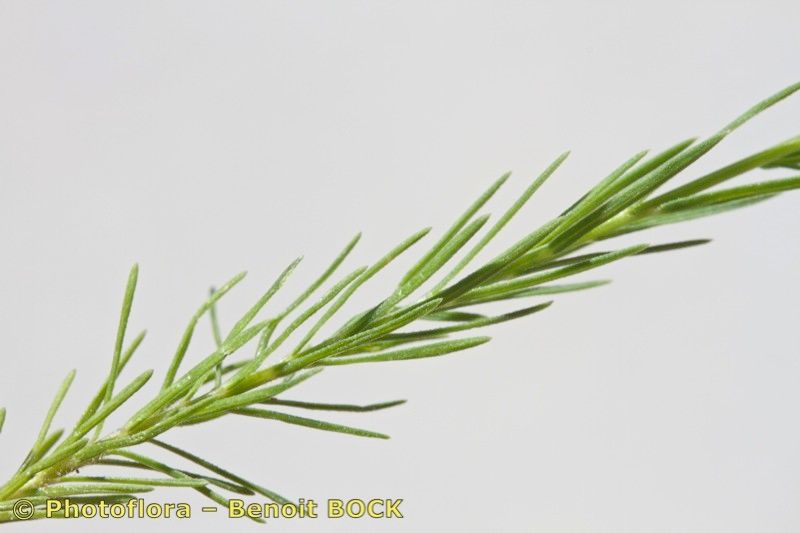
Oh, hello there, fellow garden enthusiast! Grab a mug of your favorite brew, and let’s chat about a little gem I’ve come to adore: Linum setaceum. This delicate beauty, also known as bristly flax, brings such airy charm to a garden with its fine, almost grassy foliage and clusters of charming, sky-blue flowers. It dances in the breeze, a whisper of summer magic. And the best part? Propagating it yourself is not only incredibly rewarding, but it’s also surprisingly accessible for most gardeners. Don’t be intimidated; Linum setaceum is a pretty forgiving plant when it comes to starting new ones.
The Best Time to Start
For me, the sweet spot for propagating Linum setaceum is late spring or early summer. This is when the plant is actively growing and has plenty of fresh, vigorous shoots to work with. You’re essentially tapping into its peak energy, which gives your new babies the best possible start. Trying to propagate when the plant is dormant just won’t yield the same enthusiastic results.
Supplies You’ll Need
Before we get our hands dirty, let’s gather our supplies. You won’t need anything too fancy, just the essentials:
- Sharp pruning shears or a clean, sharp knife: For taking clean cuttings.
- Small pots or trays: About 3-4 inches in diameter are perfect.
- Well-draining potting mix: I like to use a blend of equal parts peat moss or coco coir, perlite, and a bit of compost. This ensures good aeration and prevents soggy roots.
- Rooting hormone (optional but recommended): A powder or gel will help encourage root development.
- Watering can or misting bottle: For gentle hydration.
- Plastic bag or propagation cover: To create a humid environment.
- Labels: To keep track of what you’ve planted!
Propagation Methods
There are a couple of ways we can go about creating more Linum setaceum from our existing plants. I find stem cuttings to be the most reliable for this particular flax.
Stem Cuttings
This is my go-to method for Linum setaceum.
- Take Your Cuttings: On a mild morning, select healthy, non-flowering stems. Look for stems that are about 3-4 inches long and have started to mature slightly – they shouldn’t be brand new, floppy growth, but not woody either. Using your clean shears, make a clean cut just below a leaf node. A leaf node is where a leaf attaches to the stem.
- Prepare the Cuttings: Gently remove the lower leaves from the stem, leaving just a few at the top. This prevents them from rotting in the soil. If your cutting is quite long, you can even trim off the very tip of the stem – this encourages branching later on.
- Apply Rooting Hormone (if using): Dip the cut end of the stem into your rooting hormone powder or gel, tapping off any excess. This step really gives them a boost, but they can root without it too.
- Plant Your Cuttings: Fill your small pots with your prepared potting mix, moistening it slightly. Make a hole in the center of the soil with your finger or a pencil that’s deep enough to accommodate the cut end. Gently insert the cutting into the hole, and firm the soil gently around it.
- Create a Humid Environment: Water gently so the soil is moist but not soggy. Then, cover the pots with a clear plastic bag or a propagation dome. Make sure the leaves aren’t touching the plastic. You can secure the bag with a rubber band.
The “Secret Sauce” (Pro Tips)
Here are a few little tricks I’ve picked up over the years that can really make a difference:
- Bottom Heat is Your Friend: While not strictly necessary for Linum setaceum, placing your pots on a gentle heat mat designed for seedlings can significantly speed up root formation. It mimics the warmth of spring and can make a noticeable difference.
- Don’t Over-Water, but Keep it Consistently Moist: This is a tricky balance. You want the soil to stay damp but never waterlogged. I often find myself checking the moisture every couple of days. If the soil feels dry to the touch, give it a gentle watering.
- Indirect Light is Key: Once planted, place your covered pots in a bright location that receives indirect sunlight. Direct sun will scorch them through the plastic.
Aftercare & Troubleshooting
Once you start seeing tiny leaves emerging or feel a gentle resistance when you tug on a cutting, that’s a good sign they’re rooting!
- Acclimatize Gradually: Once roots have formed, it’s time to slowly acclimatize your new plants to normal conditions. This means gradually opening the plastic bag over a week or so, letting in more air each day. Eventually, you can remove the cover entirely.
- Continue Gentle Watering: Keep them consistently moist, but again, avoid sogginess.
- Pot Up When Ready: When your new plants have developed a good root system and are growing well, you can transplant them into slightly larger pots.
- Watch for Rot: The biggest issue you might encounter is root rot. This happens when the soil stays too wet. If you see stems turning mushy or blackening at the soil line, it’s often a sign of overwatering. If you catch it early, you might be able to save the cutting by letting the soil dry out more and improving drainage. Sometimes, sadly, it’s just a sign that the cutting didn’t take.
And there you have it! Propagating Linum setaceum is a gentle dance with nature. Be patient with your little green charges, offer them a warm and humid nursery, and soon you’ll have a whole cluster of these lovely flax plants to brighten your garden. Enjoy the process, and don’t be afraid to experiment – that’s where the real gardening joy lies! Happy propagating!
Resource:
https://identify.plantnet.org/k-world-flora/species/Linum%20setaceum%20Brot./data