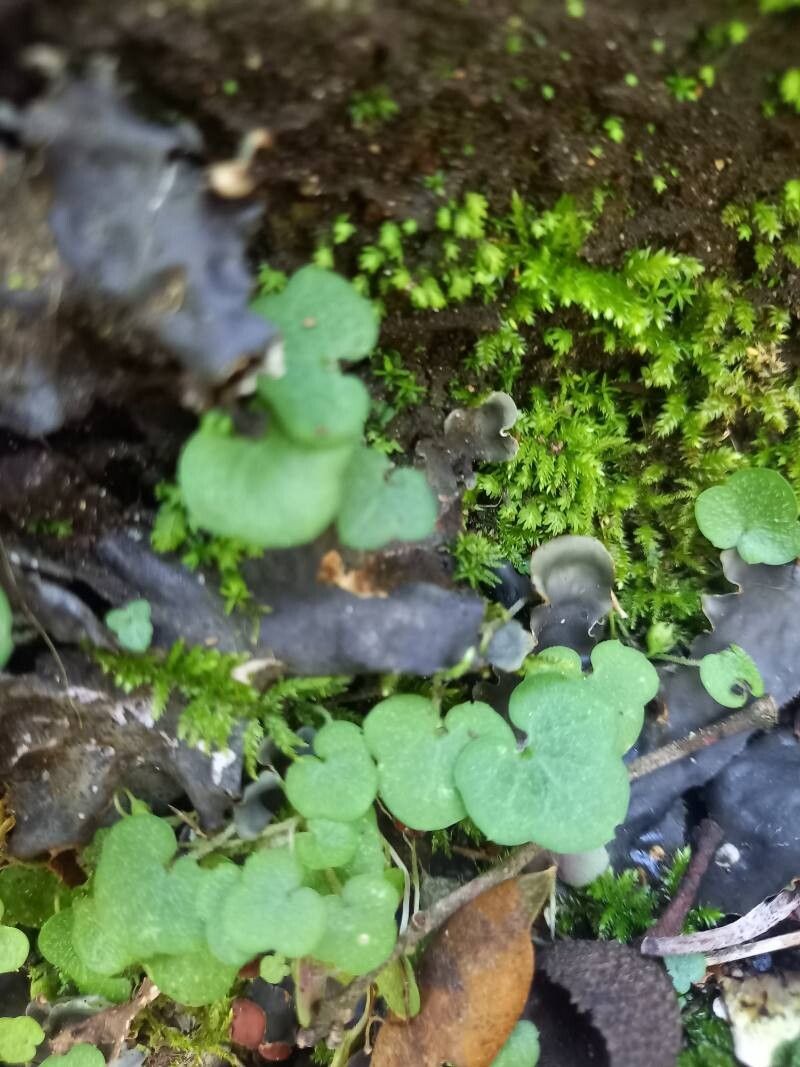
Hello there, fellow garden enthusiasts! I’m so delighted you’ve stumbled upon my little corner of the internet. Today, we’re going to talk about a gem that often gets overlooked: Cymbalaria hepaticifolia, commonly known as Kenilworth Ivy. This little vine is just delightful. Its tiny, delicate, snapdragon-like flowers in shades of lilac and pink trail beautifully, making it perfect for rock gardens, hanging baskets, or even tucking into cracks in stone walls. Propagating it is a wonderfully rewarding process, and I’m happy to report that it’s quite beginner-friendly. You’ll be amazed at how easily you can multiply this charming plant!
The Best Time to Start
For the greatest success, I tend to reach for my pruners and pots in late spring to early summer. This is when Cymbalaria hepaticifolia is in active growth, and its stems are nice and pliant. Starting your propagation efforts now means your new plants will have plenty of time to establish themselves before the cooler weather arrives.
Supplies You’ll Need
Before we dive in, let’s gather our tools. Having everything ready makes the process so much smoother!
- Sharp pruning shears or scissors: Clean cuts are key for good rooting.
- Small pots or trays: Anything that can hold a bit of soil and drain well.
- A good potting mix: I like to use a well-draining general potting mix, often adding a bit of coarse sand or perlite to ensure it’s not too water-retentive.
- Rooting hormone (optional but recommended): This really gives your cuttings a boost.
- Watering can with a fine rose attachment: Gentle watering is essential.
- Plastic bags or a clear propagation dome: To create a humid environment for your cuttings.
Propagation Methods
Cymbalaria hepaticifolia is a master of self-propagation in many ways, but we can give it a helping hand! The easiest and most successful method for us gardeners is using stem cuttings.
Here’s how I do it:
- Select your stems: Look for healthy, non-flowering stems that are about 3-4 inches long. They should be flexible and green, not woody.
- Make the cut: Using your clean pruning shears, make a clean cut just below a leaf node. A leaf node is that little bump on the stem where a leaf emerges. This is where the magic happens for root development.
- Prepare the cuttings: Gently remove the lower leaves from the stem, leaving just a couple of leaves at the very tip. This prevents them from rotting in the soil.
- Apply rooting hormone (optional): If you’re using rooting hormone, dip the cut end of the stem into the powder. Tap off any excess.
- Plant your cuttings: Make a small hole in your prepared potting mix with a pencil or your finger. Insert the cut end of the stem into the hole, ensuring the nodes where you removed the leaves are below the soil surface. Gently firm the soil around the stem.
- Water gently: Water your cuttings thoroughly but gently. You want the soil to be moist, but not waterlogged.
- Create humidity: This is crucial! Cover the pots or trays with a clear plastic bag, ensuring it doesn’t touch the leaves too much, or use a propagation dome. Place them in a bright location but out of direct sunlight.
The “Secret Sauce” (Pro Tips)
Now for a couple of little tricks I’ve picked up over the years that can really make a difference:
- Bottom Heat is Your Friend: If you can provide a little gentle warmth from below, like placing your trays on a seedling heat mat set to a low temperature, it can significantly speed up root formation. Roots love a cozy environment to emerge!
- Don’t Drown Them: While humidity is important, avoid letting water pool around the base of the cuttings. Too much moisture, especially without good air circulation, is a fast track to rot. I often find that misting the leaves lightly once a day, in addition to keeping the soil moist, is the perfect balance.
- Patience with the Pull Test: Resist the urge to tug on your cuttings to see if they’ve rooted too early! Instead, wait until you see new leaf growth emerging from the tip. That’s your surest sign of success.
Aftercare & Troubleshooting
Once you see those tiny new leaves unfurling, it’s time to gradually introduce your new plants to normal conditions.
- Acclimate them: Over a week or so, slowly remove the plastic cover for increasing periods each day. This helps them adjust to lower humidity.
- Water when needed: Keep the soil consistently moist but not soggy. You’ll know it’s time to water when the top inch of soil feels dry to the touch.
- Transplant when ready: Once your new plants have a good root system (you can gently check by carefully lifting one out of its pot – you want to see roots forming a nice network), you can transplant them into their own individual pots or directly into your garden!
Now, what if things don’t go as planned? The most common issue you might encounter is rot. If a cutting turns mushy and black, it’s usually a sign of too much moisture and not enough air circulation. If you see this, remove the affected cutting immediately to prevent it from spreading. Starting over with fresh cuttings and ensuring good drainage is often the best solution. Don’t be discouraged; even experienced gardeners lose a few cuttings now and then!
A Little Encouragement
Propagating Cymbalaria hepaticifolia is a truly delightful way to expand your collection or share these charming plants with friends. Be patient with the process, enjoy the moments of watching tiny roots form, and celebrate every new leaf that appears. Happy gardening!
Resource: