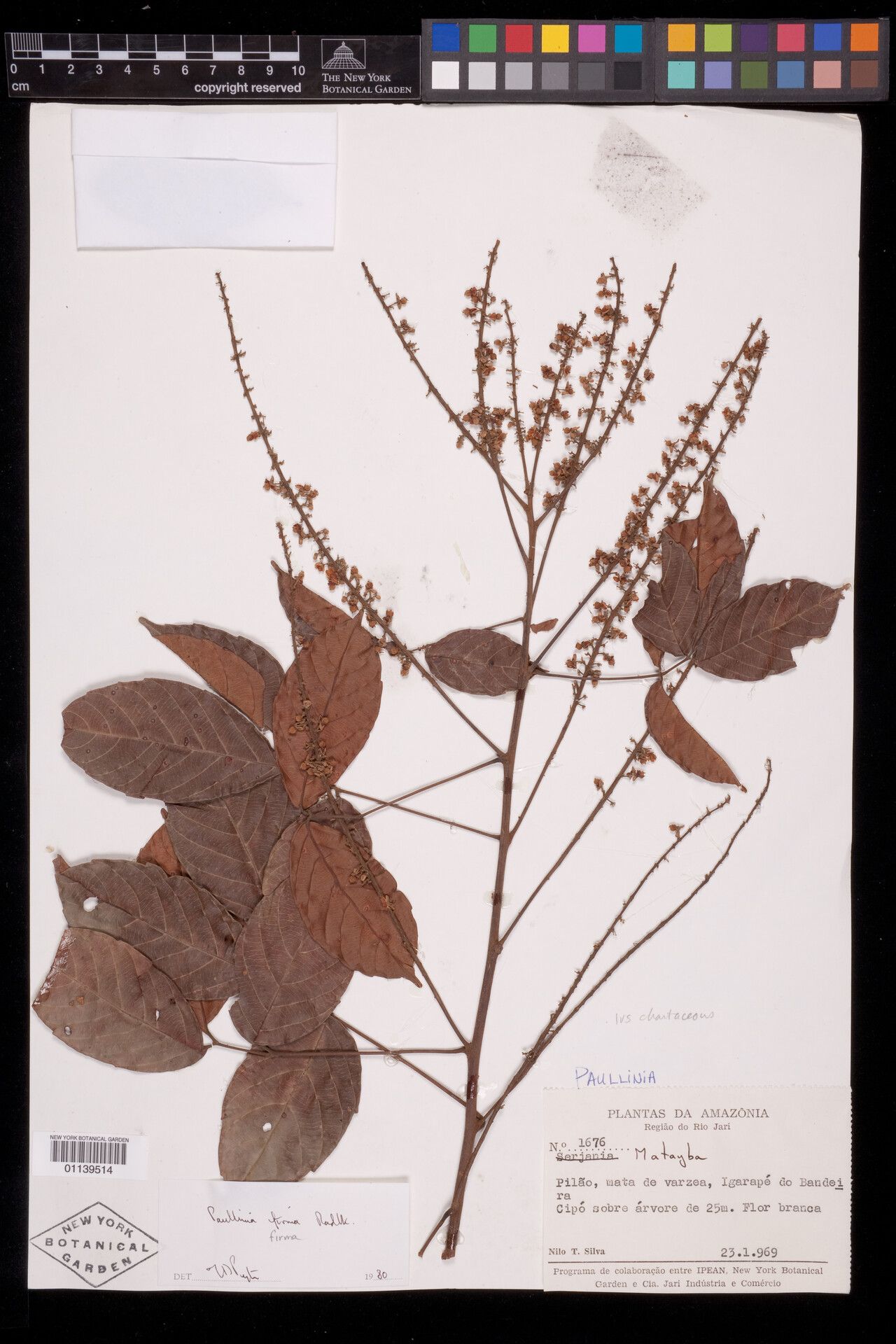
Oh, hello there! I’m so glad you stopped by my little corner of the internet. Today, we’re diving into the wonderful world of Paullinia firma, or as many of you might know it, Brazilian Guarana. If you’ve ever admired its lush foliage and the promise of those legendary seeds, you’re in for a treat. Propagating this beauty is incredibly rewarding, and while it might seem a little daunting at first, I promise it’s a journey you’ll enjoy. It’s definitely a plant that asks for a bit of patience, so I’d say it’s more of a rewarding challenge than a beginner’s walk in the park, but with these tips, you’ll be well on your way!
The Best Time to Start
For Paullinia firma, like many tropical vines, the sweet spot for propagation is during its active growing season. Think of spring and early summer. This is when the plant is bursting with energy, and any cuttings you take will have the best chance of rooting quickly and successfully. You’re essentially tapping into its natural drive to grow and spread.
Supplies You’ll Need
Before we get our hands dirty, let’s gather our tools:
- Sharp, clean pruning shears or a sharp knife: For making those precise cuts.
- Rooting hormone (optional but recommended): A little sprinkle can give your cuttings a significant boost.
- Well-draining potting mix: A good blend of perlite, coco coir, and a bit of peat moss works wonders.
- Small pots or seed trays: Clean and with drainage holes, of course.
- Plastic bags or a propagator: To create that humid environment cuttings love.
- Watering can or spray bottle: For gentle hydration.
- Labels and a pen: So you don’t forget what you planted where!
Propagation Methods
We’ll focus on the most reliable method for Paullinia firma: stem cuttings.
- Select Your Parent Plant: Find a healthy, mature Paullinia firma plant. Look for stems that are ½ inch thick and have a good mix of woody and green growth – this is often called “semi-hardwood.”
- Take Your Cuttings: Using your sharp pruning shears or knife, take cuttings that are about 6-8 inches long. Make a clean cut just below a leaf node (where the leaf attaches to the stem). Remove any flowers or developing fruits from the cutting.
- Prepare the Cuttings: Gently remove the lower leaves, leaving just two or three at the very top. This reduces water loss. If you’re using rooting hormone, dip the cut end into it, tapping off any excess.
- Plant Your Cuttings: Fill your pots with your well-draining potting mix. Make a hole in the center of the soil with your finger or a pencil. Insert the cut end of the stem cutting into the hole. Gently firm the soil around it.
- Create a Humid Environment: Water the soil lightly. Then, cover the pots with a clear plastic bag, securing it around the pot with a rubber band, or place them in a propagator. This traps moisture and creates a mini-greenhouse.
- Place in Bright, Indirect Light: Find a warm spot that gets plenty of bright, indirect sunlight. Avoid direct sun, which can scorch the tender cuttings.
The “Secret Sauce” (Pro Tips)
Here are a couple of things I’ve learned over the years that can really make a difference:
- Don’t Drown Your Cuttings: While humidity is key, make sure the potting mix is moist, not waterlogged. Soggy soil is the fastest way to invite rot. I like to water until I see a little drain from the bottom, then let the top inch dry out before watering again.
- Embrace the Bottom Heat: A heated propagation mat can be a game-changer, especially if your home is a bit on the cooler side. This gentle bottom warmth encourages root development from below, giving your cuttings that extra push they need. You can buy these online or at most garden centers.
Aftercare & Troubleshooting
Once your cuttings are planted, the waiting game begins. Keep them consistently moist but not soggy, and in that bright, indirect light. You should start to see signs of new growth – tiny leaves unfurling – in about 4-8 weeks.
Now, if things don’t go as planned, don’t get discouraged! The most common culprit is rot. If your cuttings turn black and mushy, it’s a sign of too much moisture and not enough air circulation. If your cuttings show no signs of life after several weeks, they might just be taking their sweet time, or perhaps the conditions weren’t quite right. Sometimes, it’s just a matter of trying again when the season is more favorable.
A Little Patience Goes a Long Way
Propagating Paullinia firma is a beautiful way to connect with nature and expand your plant family. Remember to be patient, observe your cuttings closely, and celebrate those little victories. Happy gardening!
Resource:
https://identify.plantnet.org/k-world-flora/species/Paullinia%20firma%20Radlk./data