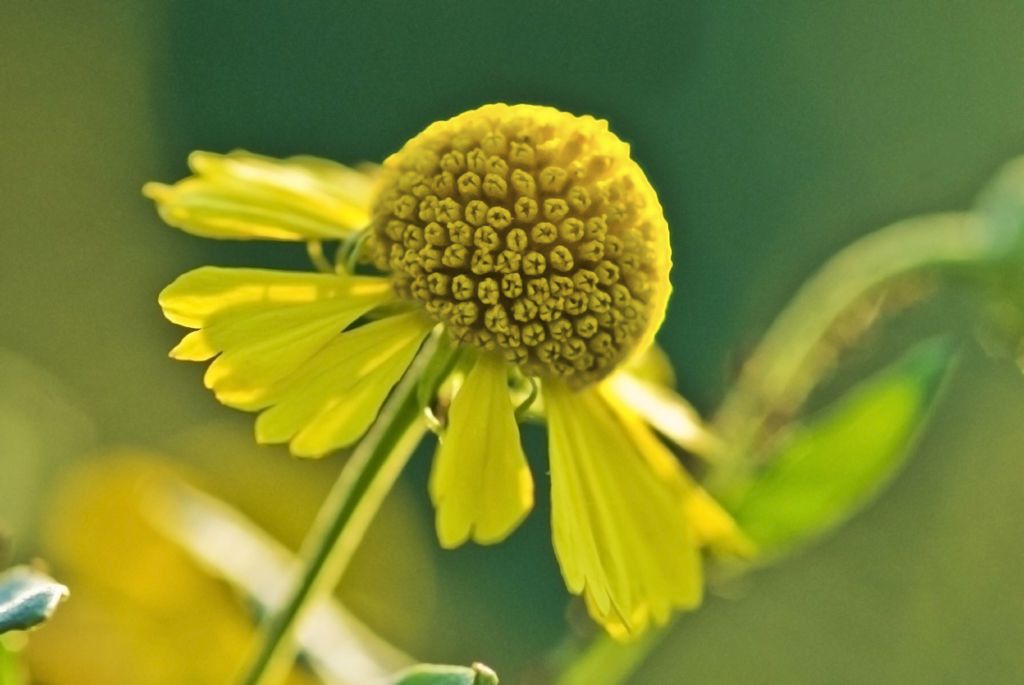
Hey there, fellow plant lovers! I’m thrilled to chat with you today about a truly remarkable garden resident: Helenium bigelovii, also known as Sneezeweed. If you haven’t grown it yet, picture mounds of cheerful, daisy-like flowers in vibrant shades of yellow, orange, and sometimes even a warm red. They bloom reliably through the summer, attracting all sorts of buzzing visitors.
Now, I know what you might be thinking – propagating can seem a bit daunting at first. But trust me, Helenium bigelovii is one of those generous plants that really rewards your efforts. It’s surprisingly easy for beginners, which makes it a fantastic choice for anyone looking to expand their garden without breaking the bank. Plus, there’s a special kind of joy in nurturing a brand-new plant from a cutting or a division you took yourself. It feels like you’re part of its story from the very beginning.
The Best Time to Start
For the highest success rate with Helenium bigelovii, spring is your golden ticket. As the plant starts to really wake up and put on new growth after winter, it’s full of energy. This is the perfect time to take cuttings. If you miss the spring window, don’t fret! You can also have good success with mid-summer cuttings before the plant gets too leggy and puts all its energy into flowering. For division, early spring is ideal, just as the shoots are emerging.
Supplies You’ll Need
Here’s what you’ll want to have on hand:
- Sharp pruning shears or a clean, sharp knife: For making clean cuts.
- Small pots or seed trays: Clean and with drainage holes, of course!
- A good quality potting mix: I like a mix that drains well. For cuttings, adding a bit of perlite or coarse sand can make all the difference.
- Rooting hormone (optional but recommended): This powder or gel can really speed things up.
- A spray bottle: For keeping things moist.
- A clear plastic bag or dome: To create a mini-greenhouse effect.
- Labels: To keep track of what you’ve planted and when.
Propagation Methods
Helenium bigelovii is wonderfully versatile. Here are my favorite ways to multiply this beauty:
1. Taking Stem Cuttings
This is my go-to method for increasing my collection quickly.
- Choose your stems: Look for young, healthy, non-flowering stems that are about 4-6 inches long. They should be somewhat firm but still flexible.
- Make the cut: Using your sharp tool, make a clean cut just below a leaf node. A leaf node is where a leaf attaches to the stem. This is where the plant will readily form roots.
- Prepare the cutting: Gently remove the lower leaves from the cutting, leaving just a couple of leaves at the very top. You can cut the remaining leaves in half to reduce water loss.
- Dip in rooting hormone (optional): If you’re using rooting hormone, lightly dip the cut end of the stem into the powder or gel. Tap off any excess.
- Plant the cuttings: Fill your small pots with your prepared potting mix. Make a small hole with your finger or a pencil and insert the cutting, ensuring the leaf nodes are buried in the soil. Gently firm the soil around the stem.
- Water and cover: Water the soil gently until it’s moist but not soggy. Then, place the pot inside a clear plastic bag, sealing it with a twist tie, or put it under a clear dome. This traps humidity, which is crucial for cuttings.
2. Division
This is a fantastic way to rejuvenate older clumps and get multiple new plants.
- Dig it up: In early spring, as soon as you see new growth, carefully dig up the entire clump of Helenium bigelovii. You can use a garden fork for this, working your way around the plant.
- Separate the clumps: Gently shake off excess soil. You’ll likely see multiple sections, each with its own crown and root system. Tease these sections apart with your hands or use a clean trowel or knife to cut through any stubborn roots. Aim for sections that have at least a couple of healthy shoots and a good root base.
- Replant immediately: Find new spots in your garden or prepare pots with fresh soil. Plant the divisions at the same depth they were growing before. Water them in well.
The “Secret Sauce” (Pro Tips)
Here are a couple of things I’ve learned over the years that can really give you an edge:
- Bottom Heat is Your Friend: For stem cuttings, placing your pots on a heat mat designed for seedlings can dramatically speed up root development. It mimics the warmth of spring and encourages those roots to form much faster. You can often find basic heat mats at garden centers or online.
- Don’t Let Those Leaves Drip: If you’re using a plastic bag to cover your cuttings, sometimes condensation can drip back onto the leaves. Periodically open the bag to let some air circulate and prevent fungal diseases. Also, try to ensure the leaves aren’t directly touching the sides of the bag, if possible.
Aftercare & Troubleshooting
Once you see new growth emerging from your cuttings or divisions, it’s a sure sign that roots are forming!
- For cuttings: Gradually acclimate them to normal air by opening the plastic bag a little more each day over a week or two. Once they have a good root system (you might see roots peeking out of the drainage holes), you can transplant them into individual pots or their permanent garden location. Continue to keep them consistently moist.
- For divisions: Water them regularly, especially during dry spells, until they are established.
Now, what if things go wrong? The most common issue you might encounter is rot. This usually happens when the soil is too wet, or if the humidity is too high for too long without adequate air circulation. Mushy, black stems are a tell-tale sign of rot. If you see this, unfortunately, the cutting or division is likely lost. To prevent it, ensure good drainage and don’t overwater. Start with sterile tools and clean pots to minimize the risk of introducing pathogens.
A Little Patience Goes a Long Way
There you have it – your guide to propagating Helenium bigelovii! Remember, gardening is a journey, and sometimes things don’t work out exactly as planned. But the process itself is so rewarding. Be patient, observe your plants, and don’t be afraid to experiment. Happy propagating, and may your garden be filled with sunny Helenium blooms!
Resource:
https://identify.plantnet.org/k-world-flora/species/Helenium%20bigelovii%20A.Gray/data