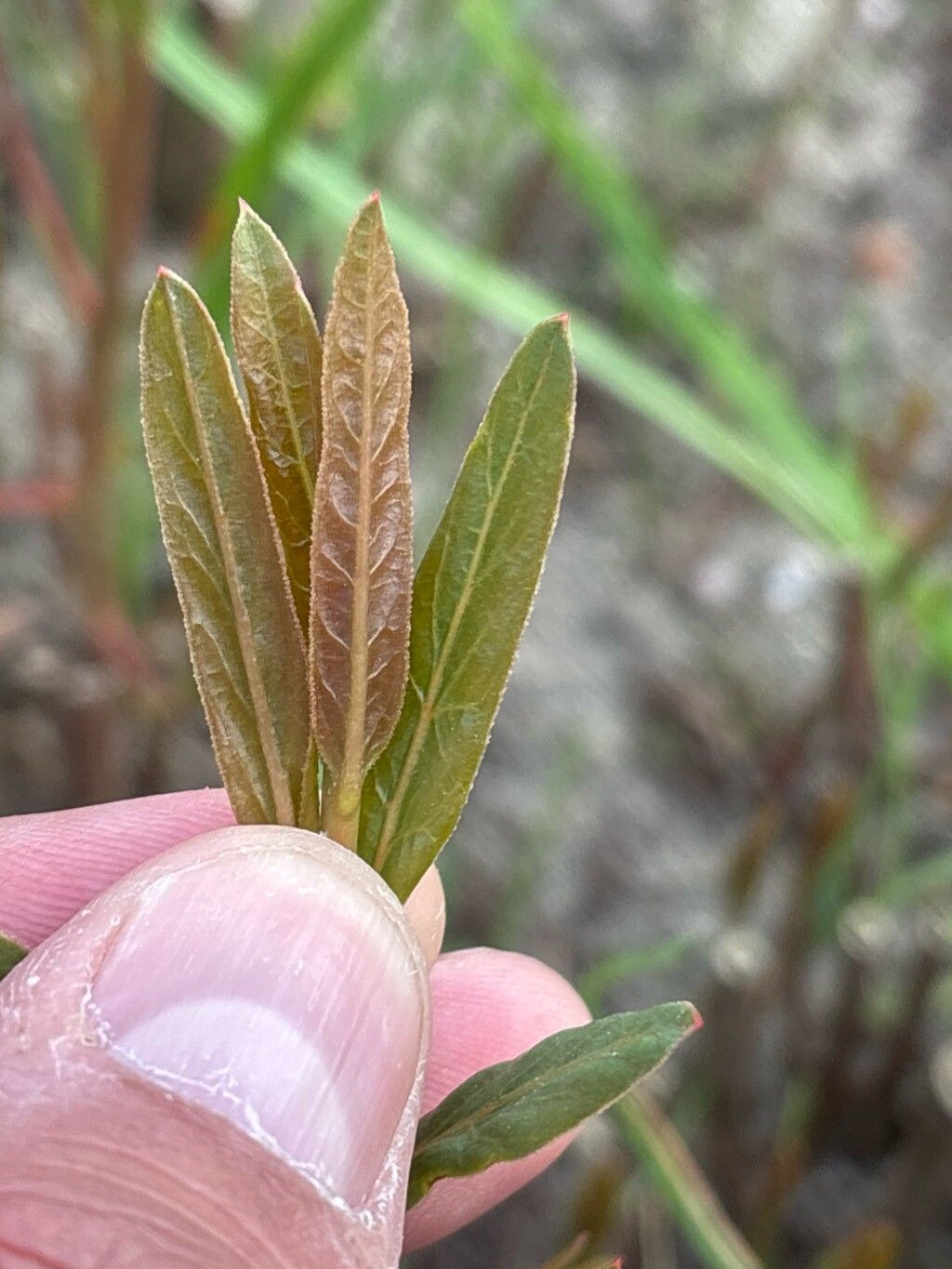
Hey there, fellow plant lovers! Today, I want to chat about a beauty that’s truly captured my heart over the years: Apocynum venetum, often called Chinese Dogbane or just Apocynum. Its delicate, bell-shaped flowers and lovely foliage bring such a gentle charm to the garden. And let me tell you, propagating it yourself is incredibly rewarding. You get to multiply that beauty, share it with friends, or simply expand your own green haven. If you’re new to the plant world, don’t you worry – while it requires a little attention, it’s absolutely achievable. Think of it as a fun challenge that teaches you a lot.
The Best Time to Start
For the highest success rates with Apocynum venetum, I always aim for late spring to early summer. This is when the plant is actively growing, its energy is high, and the stems are typically more pliable. You’re looking for semi-hardwood cuttings, which means the stems are no longer completely soft and green but haven’t fully woody yet. This sweet spot makes them ideal for rooting.
Supplies You’ll Need
Gathering your supplies beforehand makes the whole process much smoother. Here’s what I usually have on hand:
- Sharp pruning shears or a clean, sharp knife: For making clean cuts.
- Rooting hormone powder or gel: This isn’t strictly required, but it gives your cuttings a significant boost and increases your success rate.
- Well-draining potting mix: A good quality peat-based mix with added perlite or vermiculite works wonders. I often make my own by blending equal parts potting soil and perlite.
- Small pots or trays: Clean pots are essential to prevent disease.
- Plastic bags or a propagator: To create a humid environment for your cuttings.
- Labels and a permanent marker: Don’t forget to label your babies!
- Watering can or spray bottle: For gentle watering.
Propagation Methods
The most reliable way I’ve found to propagate Apocynum venetum is through stem cuttings. It’s straightforward and generally yields great results.
Stem Cuttings:
- Select your parent plant: Choose a healthy, vigorous Apocynum venetum that’s free from pests or diseases.
- Take your cuttings: Using your clean pruning shears or knife, take cuttings from the current season’s growth. Aim for pieces about 4-6 inches long. Make your cut just below a leaf node (where a leaf attaches to the stem). This is where the magic rooting hormones are concentrated.
- Prepare the cuttings: Gently remove the lower leaves from the bottom half of your cutting. You want to expose at least one or two leaf nodes. If the remaining leaves are very large, you can trim them in half to reduce water loss through transpiration.
- Apply rooting hormone: Dip the cut end of the stem into your rooting hormone powder or gel. Tap off any excess.
- Plant the cuttings: Fill your clean pots with your well-draining potting mix. Make a small hole in the center of the soil with a pencil or your finger. Gently insert the cut end of the cutting into the hole, making sure at least one leaf node is below the soil surface. Firm the soil gently around the stem.
- Water gently: Water thoroughly but gently, to settle the soil around the cuttings.
- Create humidity: Cover the pots with a clear plastic bag, making sure not to let the leaves touch the bag. Alternatively, place them in a propagator. This creates that much-needed humid environment.
The “Secret Sauce” (Pro Tips)
Here are a few things I’ve learned over the years that really make a difference:
- The “Cleanliness is Next to Godliness” Rule: This is crucial. Always use sterilized tools and clean pots. Any lingering bacteria or fungus on your equipment can quickly take down your precious cuttings. A quick soak in bleach solution for pots or a wipe-down with rubbing alcohol for shears works wonders.
- Don’t Drown Your Hopes: When watering, aim for moist but not waterlogged soil. The cuttings need consistent moisture, but soggy roots are a recipe for disaster (rot!). You’ll learn to gauge this with experience, but err on the side of slightly drier than consistently wet.
- Bottom Heat is Your Friend: If you can, providing gentle bottom heat can significantly speed up root development. A seedling heat mat placed under your pots can make a world of difference, especially if your indoor temperatures are a bit cooler.
Aftercare & Troubleshooting
Once your cuttings are planted, patience is your greatest virtue! Keep them in a bright spot, but out of direct, intense sunlight, which can scorch those young leaves. Maintain that humidity.
You’ll know your cuttings have rooted when you see new leaf growth or gently tug on the stem and feel a bit of resistance. This can take anywhere from 4 to 8 weeks.
Troubleshooting:
- Wilting: This could be due to a few things. If the soil is dry, water gently. If the soil is wet and they’re wilting, they might be suffering from rot, which is harder to come back from. This is why good drainage and avoiding overwatering are so key.
- Rotting at the base: This is usually a sign of too much moisture and not enough air circulation. Ensure your soil is well-draining and you aren’t overwatering.
- No signs of rooting: Don’t despair! Sometimes it just takes longer. Ensure they are in a consistently warm and bright (but not sun-scorched) environment.
Wrap Up
Propagating Apocynum venetum is a journey, and like any good garden endeavor, it’s about learning and enjoying the process. Don’t be discouraged if a few cuttings don’t make it – it happens to all of us! Just keep trying, pay attention to what your cuttings are telling you, and soon you’ll be rewarded with new life to fill your garden. Happy propagating!
Resource:
https://identify.plantnet.org/k-world-flora/species/Apocynum%20venetum%20L./data