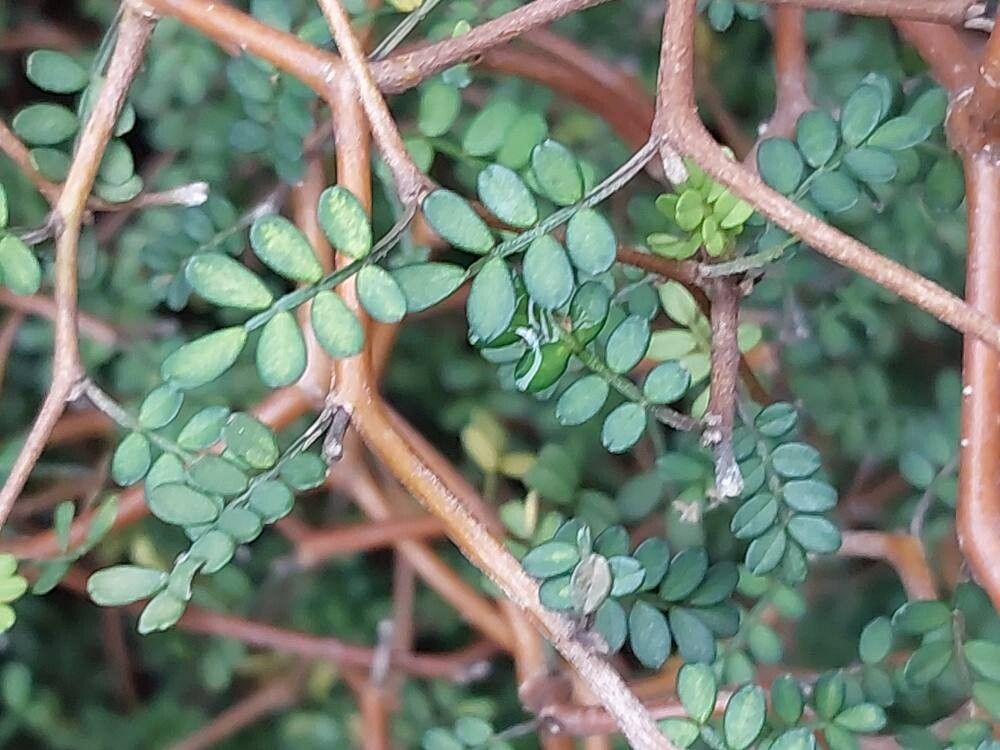
Oh, hello there! Pull up a chair and let’s chat about Coprosma propinqua. I’ve been growing these beauties for years, and honestly, they’re such a joy. You know those little shrubs with their wonderfully glossy, often distinctly colored leaves? That’s Coprosma propinqua for you. They can add such fantastic texture and structure to a garden, especially in coastal areas or rockeries.
Propagating them is a wonderfully rewarding endeavor. You get to essentially double, triple, or even more your plant collection for the price of a few cuttings! And the best part? You can absolutely do this, even if you’re just starting out. I’d say Coprosma propinqua is a pretty forgiving plant to propagate, making it a great one to get your hands dirty with.
The Best Time to Start
For the highest success rate, I always aim to take cuttings in the late spring or early summer. This is when the plant is actively growing, sending out plenty of new, semi-hardy shoots that are just perfect for taking. You’ll find they root much more readily when the weather is warming up and the days are getting longer.
Supplies You’ll Need
To set yourself up for success, gather these essentials:
- Sharp Pruning Shears or a Craft Knife: Clean cuts are crucial for healthy rooting.
- Rooting Hormone Powder or Gel: This is a real confidence booster, especially for trickier plants.
- Seed Starting Mix or a Well-Draining Potting Mix: I like a mix that’s light and airy, often with added perlite or vermiculite.
- Small Pots or Trays: Clean pots are a must to prevent disease.
- Plastic Bags or a Propagator Lid: To create a humid environment.
- Water: For misting and sometimes, for the cuttings themselves.
Propagation Methods
Let’s dive into how we’ll get these little guys going!
1. Stem Cuttings (My Go-To Method!)
This is by far my favorite way to propagate Coprosma propinqua. It’s reliable and gives you lots of options.
- Select Your Cuttings: Look for healthy, current season’s growth. You want stems that are a bit “firm” but not woody. Aim for pieces about 4-6 inches long. Gently snap a stem – if it bends rather than snaps cleanly, it’s probably too soft.
- Prepare the Cuttings: Using your sharp shears, make a clean cut just below a leaf node. A leaf node is where a leaf joins the stem. This is where the magic of root development happens.
- Strip the Leaves: Remove all but the top two or three leaves. This reduces water loss through transpiration. If you have any flowers or flower buds, pinch those off too; we want the plant’s energy going into roots, not flowers.
- Apply Rooting Hormone: Lightly moisten the cut end of the stem and dip it into your rooting hormone powder or gel. Tap off any excess.
- Plant Your Cuttings: Fill your pots with your chosen mix. Make a small hole with a pencil or your finger, then insert the cutting, ensuring the leaf nodes are buried. Gently firm the soil around it.
- Water and Cover: Water the soil thoroughly but gently. You want it moist, not waterlogged. Then, cover the pot with a clear plastic bag or pop on a propagator lid. This creates that essential humid microclimate. You can prop the bag up with a few sticks so it doesn’t touch the leaves.
2. Water Propagation (A Visual Treat!)
While I prefer soil for Coprosma, you can absolutely start them in water, especially if you like to see the roots form.
- Prepare Cuttings: Follow the same steps as for stem cuttings above, but you don’t need to strip quite as many leaves since they’ll be submerged. You can leave a few more to help with photosynthesis.
- Place in Water: Put your cuttings in a clean glass or jar of water. Make sure no leaves are submerged below the waterline. This is super important, as submerged leaves will rot and can take down the whole cutting.
- Change Water Regularly: Change the water every few days to keep it fresh and oxygenated.
- Wait for Roots: You’ll start to see tiny white roots emerge from the leaf nodes.
- Potting Up: Once the roots are about an inch long, it’s time to carefully transfer them to pots with your well-draining potting mix. Be gentle with those new roots!
The “Secret Sauce” (Pro Tips)
Here are a couple of little tricks that have served me well over the years:
- Bottom Heat is Your Friend: If you can, place your pots or propagator on a heat mat. This warmth from below encourages faster and more robust root development. It’s like giving them a cozy, warm blanket to grow their roots under.
- Don’t Rush the Transplant: When you think your cuttings might be rooted, give them a gentle tug. If you feel resistance, that’s a good sign. Don’t pull them out to check too early, as you can damage those delicate new roots. Let them establish a good little root system before disturbing them.
Aftercare & Troubleshooting
Once your cuttings have developed a good root system – you’ll see new leaf growth and feel a good tug when gently pulled – it’s time to move them up.
- Acclimatize: Gradually remove the plastic bag or propagator lid over a few days to allow the new plants to adjust to normal humidity.
- Watering: Water them as you would a mature plant, allowing the surface of the soil to dry out slightly between waterings.
- Light: Give them bright, indirect light. Direct, scorching sun can be too much for young cuttings.
Now, what if things go wrong? The most common culprit is rot. You’ll notice the stem turning mushy and black, or the leaves wilting dramatically without any apparent cause. This is usually due to overwatering and poor drainage. Ensure your mix is well-draining and you’re not letting the pots sit in standing water. If a cutting rots, unfortunately, it’s best to discard it to prevent any spread of disease.
A Encouraging Closing
Don’t be discouraged if not every single cutting takes. Gardening is all about learning and experimenting! Be patient with your little Coprosma babies. Watch them, care for them, and soon you’ll have a whole new collection of these lovely plants to enjoy, or share with fellow garden lovers. Happy propagating!
Resource:
https://identify.plantnet.org/k-world-flora/species/Coprosma%20propinqua%20A.Cunn./data