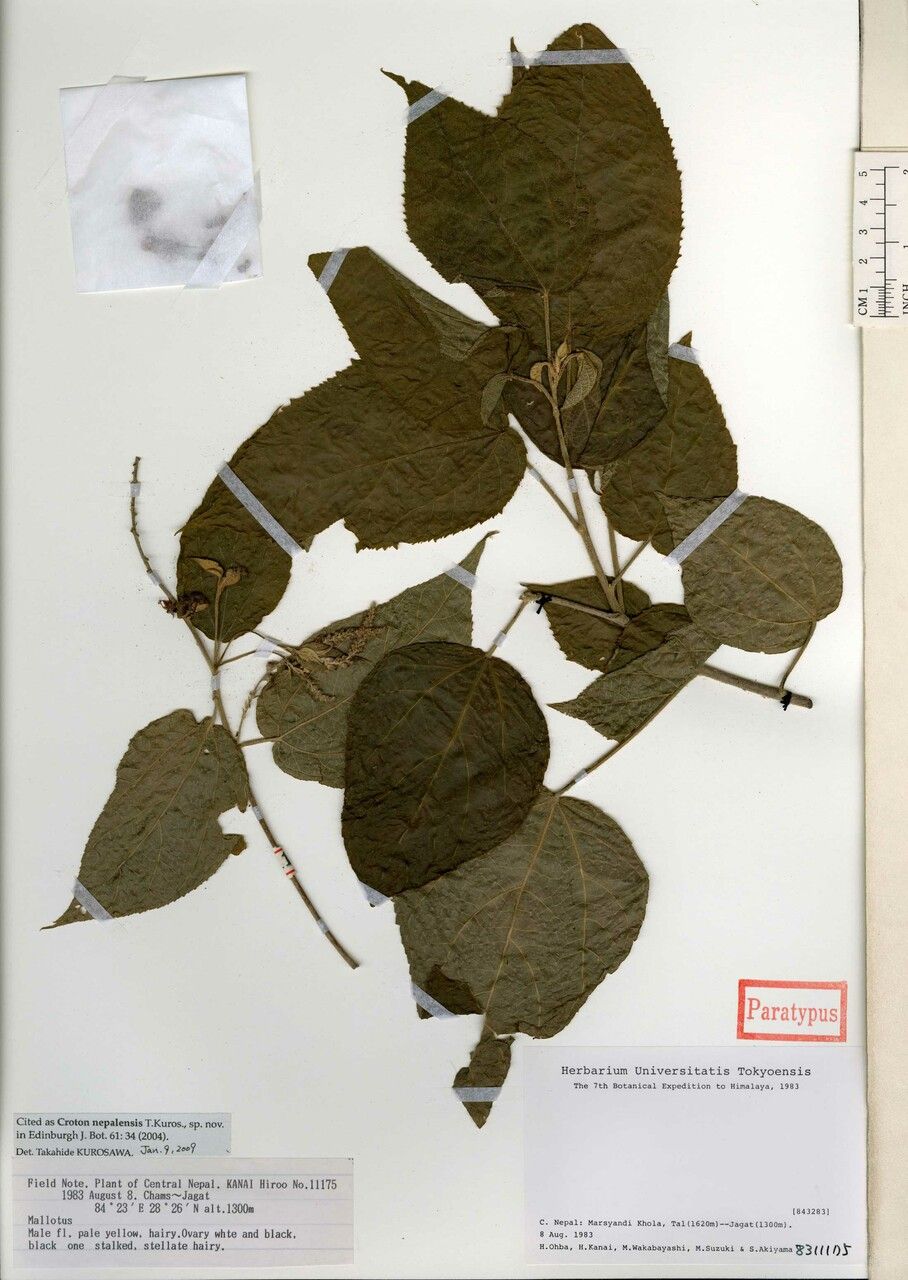
Hello fellow plant enthusiasts! Today, I want to chat about a gem that often gets overlooked: Croton nepalensis. If you love a splash of vibrant color and interesting foliage in your home, this one’s for you. Its unique leaf shapes and often striking patterns make it a real conversation starter. And the best part? You can easily multiply this beauty yourself! Propagating your own plants is incredibly rewarding. It connects you deeper to your green companions, and frankly, it’s budget-friendly! For Croton nepalensis, I’d say it’s moderately easy. Definitely achievable for beginners with a little patience and the right guidance.
The Best Time to Start
When’s the sweet spot for coaxing new life from your Croton nepalensis? I find late spring through summer to be your best bet. This is when the plant is in its most vigorous growth phase. You’ll see more activity in the stems and leaves, meaning more energy available for rooting. Think of it as the plant’s prime time, and you’re just tagging along to help it spread its wings… or rather, its roots!
Supplies You’ll Need
Gathering your tools beforehand makes the whole process so much smoother. Here’s what you’ll want on hand:
- Sharp, clean pruning shears or a knife: Sterilize them with rubbing alcohol to prevent disease.
- Potting mix: A well-draining mix is crucial. I often use a blend of equal parts peat moss, perlite, and a little bit of coarse sand. You can also find pre-made cactus or succulent mixes that work well.
- Small pots or propagation trays: Make sure they have drainage holes!
- Rooting hormone (optional but recommended): This can significantly speed up the rooting process and improve success rates. Look for one specifically for stem cuttings.
- A clear plastic bag or propagation dome: To create a humid environment.
- Water: For watering your cuttings.
- Gloves (optional): Some people find the sap of Crotons a bit sticky.
Propagation Methods
Let’s get our hands dirty! The most reliable way I’ve found to propagate Croton nepalensis is through stem cuttings.
- Take Your Cuttings: Look for a healthy, vigorous stem on your mature plant. Using your sterilized shears, make a clean cut at about a 45-degree angle, just below a leaf node. You want cuttings that are at least 4-6 inches long. Remove the lower leaves, leaving just a few at the top. This helps prevent them from rotting in the soil.
- Prepare the Cutting: If you’re using rooting hormone, dip the cut end of the stem into it, tapping off any excess. This is where the magic happens, giving your cutting a helpful boost.
- Potting Up: Fill your small pots with your prepared well-draining potting mix. Gently insert the cut end of the stem into the soil, about an inch or two deep. Make sure the soil is firm around the stem. Water thoroughly.
- Create Humidity: Cover the pot with a clear plastic bag (use stakes to keep the bag from touching the leaves) or place it inside a propagation dome. This creates a humid microclimate, which is essential for new roots to form. Place the pot in a warm spot with bright, indirect light.
The “Secret Sauce” (Pro Tips)
After years of tinkering, I’ve learned a few things that can really make a difference.
- Don’t let the leaves touch the water (if you opt for water propagation later): While some plants root beautifully in water, Croton nepalensis can sometimes rot if too much of the foliage is submerged. If you do start a cutting in water, ensure the leaves are well above the water line.
- Bottom Heat is Your Friend: Crotons absolutely love warmth. If you have a seedling heating mat, placing your pots on it can significantly speed up rooting. It mimics the warmth of the soil in their natural habitat and encourages root development.
- Be Patient with Leaf Drop: Don’t panic if a few of the lower leaves on your cutting turn yellow and drop. This is normal as the plant diverts its energy to root formation. As long as the stem looks healthy and green, it’s likely working hard underground.
Aftercare & Troubleshooting
Once you see new growth or feel resistance when gently tugging the cutting, you know roots have formed! Congratulations!
- Acclimatize Gradually: Slowly begin to remove the plastic bag over a few days to let the new plant adjust to normal humidity levels. Continue to water when the top inch of soil feels dry.
- Transplanting: Once your new plant has a good root system and is showing consistent growth, you can transplant it into a slightly larger pot with fresh potting mix.
- Watch for Rot: The biggest enemy is overwatering. If your cutting looks mushy, has a foul smell, or the stem is clearly rotting, sadly, it’s likely a goner. This usually happens when the soil stays too wet for too long. Ensure good drainage and water only when necessary. Another sign of failure can be the cutting completely wilting and showing no signs of life after several weeks.
A Little Encouragement
Growing new plants from cuttings is a bit like gardening magic. It takes a little observation, a touch of patience, and the willingness to try. Don’t get discouraged if your first attempt isn’t a roaring success. Each cutting is a learning experience. Keep trying, observe your plants, and enjoy the wonderful journey of bringing more green life into your world. Happy propagating!
Resource:
https://identify.plantnet.org/k-world-flora/species/Croton%20nepalensis%20T.Kuros./data