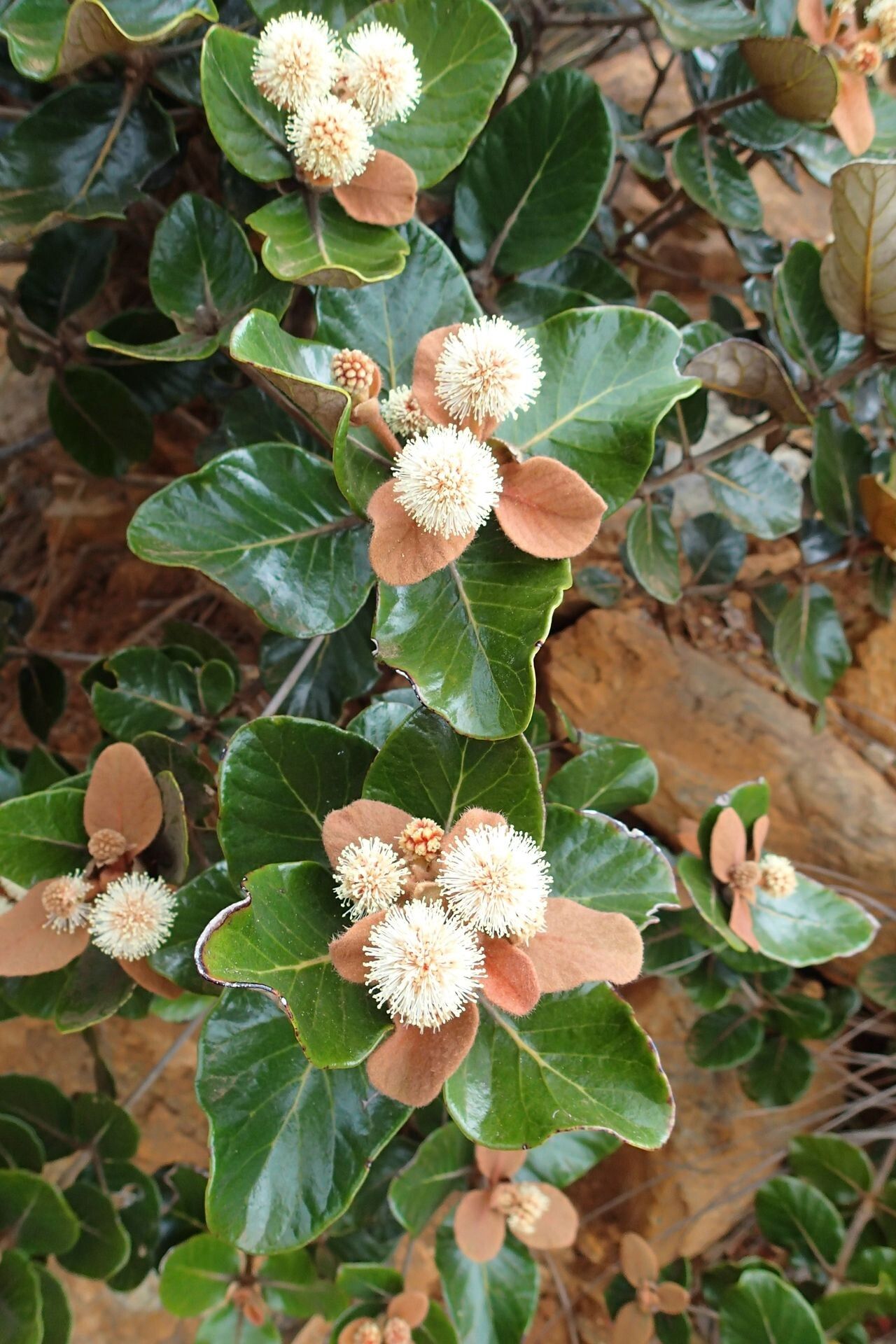
Oh, Codia triverticillata! What a stunner. If you’ve ever admired its architectural beauty and those wonderful, whorled leaves, you’re not alone. It’s a plant that brings a touch of the exotic to any space, and honestly, coaxing a new one into life from a piece of an existing one is incredibly satisfying. Good news for you: it’s generally pretty straightforward, making it a fantastic plant for those dipping their toes into propagation!
When is the Magic Time to Start?
We want to catch our Codia triverticillata at its most vigorous. For this beauty, late spring to early summer is usually your sweet spot. This is when the plant is actively growing and has plenty of energy to put into putting out new roots. You’ll want to look for healthy, mature stems that aren’t too woody or too soft.
Getting Your Toolkit Ready
Before we dive in, let’s make sure you have everything you need. This will make the whole process smoother and increase your chances of success.
- Sharp Pruning Shears or a Clean Knife: For making clean cuts.
- Rooting Hormone (Optional but Recommended): A little boost can really help things along. Look for one that contains IBA.
- Well-Draining Potting Mix: A good blend of peat moss, perlite, and a bit of compost works wonders. You want it to hold moisture but not get waterlogged.
- Small Pots or Seed Trays: With drainage holes, of course!
- Clear Plastic Bag or Humidity Dome: To keep things nice and humid around your cuttings.
- Watering Can or Spray Bottle: For gentle watering.
Let’s Get Our Hands Dirty: Propagation Methods
Codia triverticillata is wonderfully cooperative when it comes to propagation, and stem cuttings are your best bet.
Stem Cuttings: Your Adventure Begins
- Take Your Cutting: Using your sharp shears or knife, select a healthy stem from your mature plant. Make a clean cut just below a leaf node (that’s the spot where a leaf attaches to the stem). You’re looking for cuttings that are about 4-6 inches long.
- Prepare the Cutting: Gently remove the lower leaves from the cutting, leaving just a few at the top. This helps prevent energy loss and discourages rot. If your cutting has any flowers or developing buds, snip those off too.
- Dip in Rooting Hormone (If Using): Lightly moisten the cut end of your stem. Then, dip it into your rooting hormone, tapping off any excess.
- Plant Your Cutting: Fill your small pot with your prepared potting mix. Make a hole in the center with your finger or a pencil. Gently insert the cut end of the stem into the hole, ensuring it’s snug. Water lightly to settle the soil.
- Create a Humid Environment: Place the potted cutting inside a clear plastic bag, creating a mini-greenhouse. You can also use a humidity dome. Make sure the leaves aren’t touching the plastic, as this can encourage rot.
The “Secret Sauce” to Success
After years of this, you learn a few tricks!
- Don’t Drown It: When you water your cuttings, be gentle. We’re aiming for consistently moist, not soggy, soil. Overwatering is the quickest way to invite fungal issues and rot. A good rule of thumb is to water when the top inch of soil feels dry to the touch.
- Warmth Encourages Roots: Codia triverticillata loves a bit of warmth from below. If you have a heat mat designed for propagation, popping your pots onto it can significantly speed up root development. If not, just placing them in a warm spot in your home will do.
Nurturing Your New Sprouts: Aftercare and What to Watch For
Once your cuttings have rooted (this can take anywhere from 4-8 weeks, so be patient!), you’ll notice new growth.
- Gradual Acclimation: Slowly start to acclimate your new plant to the lower humidity of your home. This means gradually opening up that plastic bag over a week or two. Once it’s out of the bag, continue to keep the soil consistently moist.
- Signs of Trouble: The most common issue you’ll encounter is rot. If your cutting turns mushy or black, it’s likely gone too far. This is usually a sign of too much moisture or insufficient airflow. If you see the leaves wilting and the stem looking healthy, it might just need a drink, but always check the soil moisture first. If a cutting just seems to do nothing, it may not have rooted. Don’t give up too quickly; some take their time!
Happy Growing!
Propagating Codia triverticillata is a wonderful way to expand your plant family. It’s a journey that rewards patience and a little bit of care. Enjoy the process of watching those tiny roots form and new leaves unfurl. Happy gardening!
Resource: