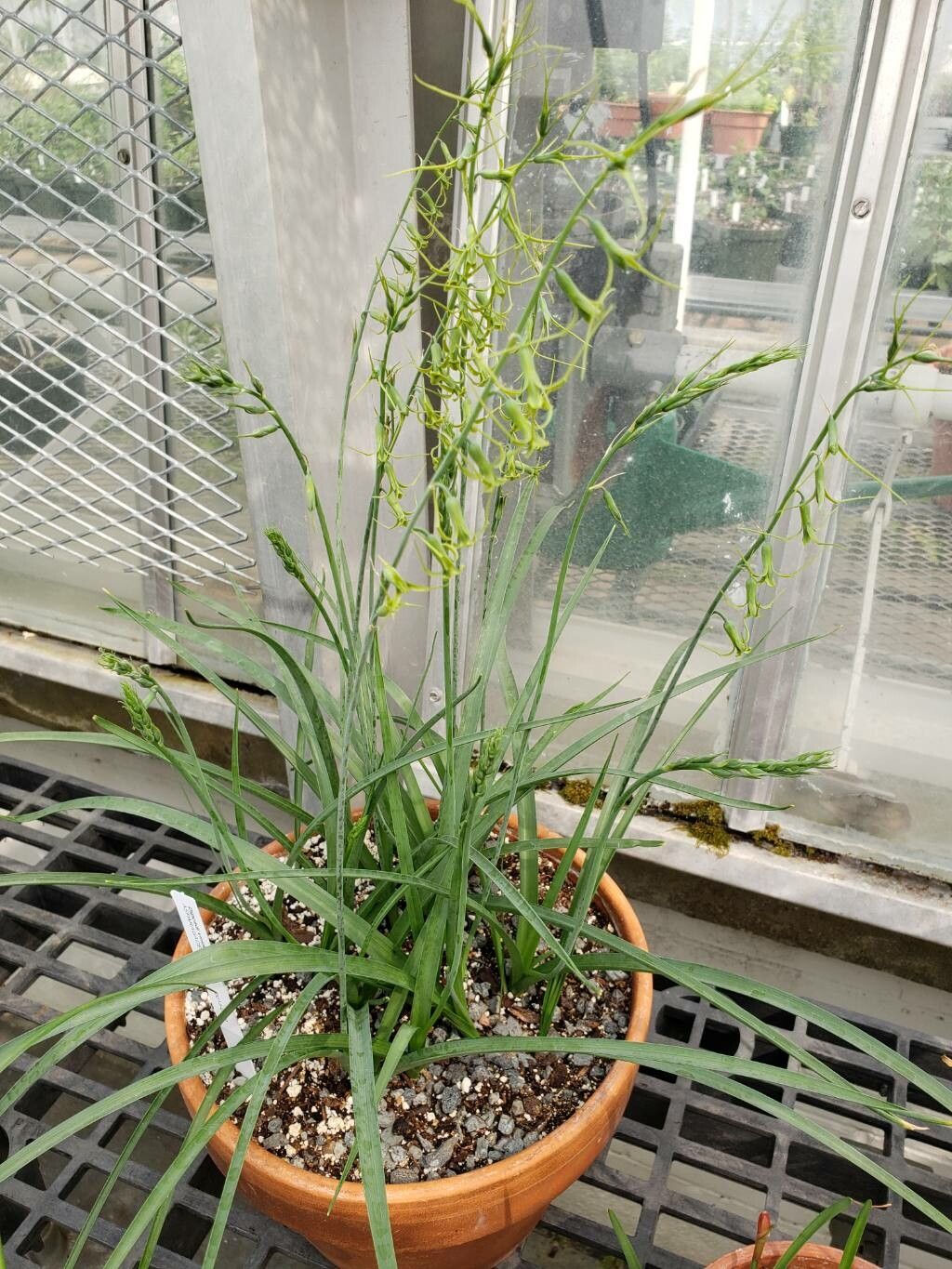
Ah, Dipcadi viride! Is there anything quite like the understated charm of a cluster of these little green bells nodding in the breeze? I’ve always found their delicate beauty so captivating. They bring a touch of wild elegance to any garden corner, and honestly, there’s a special kind of joy in coaxing new life from these pretty blooms. If you’re looking for a slightly different propagation project, you’re in for a treat. For many gardeners, I’d say Dipcadi viride is moderately easy to propagate, especially once you get the hang of it. It’s less fussy than some of its more delicate cousins.
The Best Time to Start
The absolute sweet spot for propagating Dipcadi viride is after flowering but before the foliage completely dies back. Think late spring to early summer for most regions. This is when the bulbs have stored up plenty of energy from the growing season and are ready to divide or produce offsets. Starting too early or too late can mean the plant doesn’t have enough reserves to dedicate to new growth.
Supplies You’ll Need
Before we dive in, let’s gather our tools. A little preparation goes a long way!
- Trowel or small gardening spade: For carefully excavating the bulbs.
- Sharp, clean knife or pruning shears: To separate bulbs or trim roots if necessary. Sterilize them with rubbing alcohol to prevent disease.
- Well-draining potting mix: A mix designed for bulbs or succulents is ideal. You can also create your own with compost, perlite, and a bit of sand.
- Small pots or trays: For your new babies to establish in. Make sure they have drainage holes!
- Labels and a permanent marker: To keep track of what you’ve planted and when.
- Optional: Rooting hormone powder: While not strictly necessary for Dipcadi viride, it can give a little boost to any sleepy bulbs.
Propagation Methods
The most rewarding and straightforward way to propagate Dipcadi viride is through division of the bulbs. These charming plants tend to form clumps as they mature, and separating them is like sharing a gift with your future self!
- Gently Excavate: With your trowel, carefully dig around the base of the Dipcadi viride clump. Try to get as much of the root ball as possible without damaging the bulbs. You want to lift the entire cluster out of the ground.
- Clean the Bulbs: Gently brush away excess soil from the bulbs. You’ll likely see the main bulb with several smaller offsets or “daughter” bulbs attached.
- Separate the Bulbs: This is the key step. Take your clean knife or shears and carefully separate the offsets from the parent bulb. You’re looking for bulbs that have their own roots attached. If a bulb doesn’t have roots yet, it can still grow, but it might take a little longer.
- Inspect and Trim: While you’re at it, inspect the bulbs for any signs of rot or damage. Trim away any brown, mushy bits with your sterile knife. If there are any very long, straggly roots, you can trim them back slightly to encourage new root growth.
- Pot Them Up: Fill your chosen pots with your well-draining potting mix. Plant each separated bulb about 2-3 inches deep, with the pointed end facing upwards. Give them a little space to grow.
- Water Lightly: Water the soil gently to settle it around the bulbs. Don’t drench them – just a good, thorough watering.
The “Secret Sauce” (Pro Tips)
Here are a couple of things I’ve learned over the years that can make a real difference:
- Let the Separated Bulbs “Cure”: Before you pot them up, I like to let the separated bulbs sit out for a day or two in a dry, shaded spot. This allows any cuts to callus over, which helps prevent rot. It might sound counter-intuitive, but it really does help!
- Don’t Overcrowd: When potting, resist the urge to cram too many bulbs into one pot. Give them room. If you’re planting them back into the garden, ensure they have adequate spacing so they have room to multiply naturally over time.
Aftercare & Troubleshooting
Once your bulbs are nestled into their new homes, keep them in a bright spot, but avoid harsh direct sun for the first few weeks. Water them sparingly, allowing the soil to dry out slightly between waterings. You’re aiming for consistently moist, not soggy, soil.
The most common issue you might encounter is bulb rot. If you see signs of wilting, yellowing leaves, or a mushy base on your new bulbs, it’s usually a sign of overwatering. Unfortunately, rot is tough to come back from. Make sure your potting mix is as free-draining as possible, and err on the side of underwatering if you’re unsure. Another sign of failure can be simply no new growth after a reasonable period – this might mean the bulb wasn’t strong enough to begin with or didn’t get enough energy reserves. Don’t get discouraged!
A Encouraging Closing
Propagating Dipcadi viride is a wonderful way to expand your collection and share these delightful plants. Be patient with them – they have their own rhythm. Some may sprout quickly, while others take their sweet time. Enjoy the process of nurturing these new little bulbs, and soon you’ll have even more of those charming green bells gracing your garden. Happy planting!
Resource:
https://identify.plantnet.org/k-world-flora/species/Dipcadi%20viride%20(L.)%20Moench/data