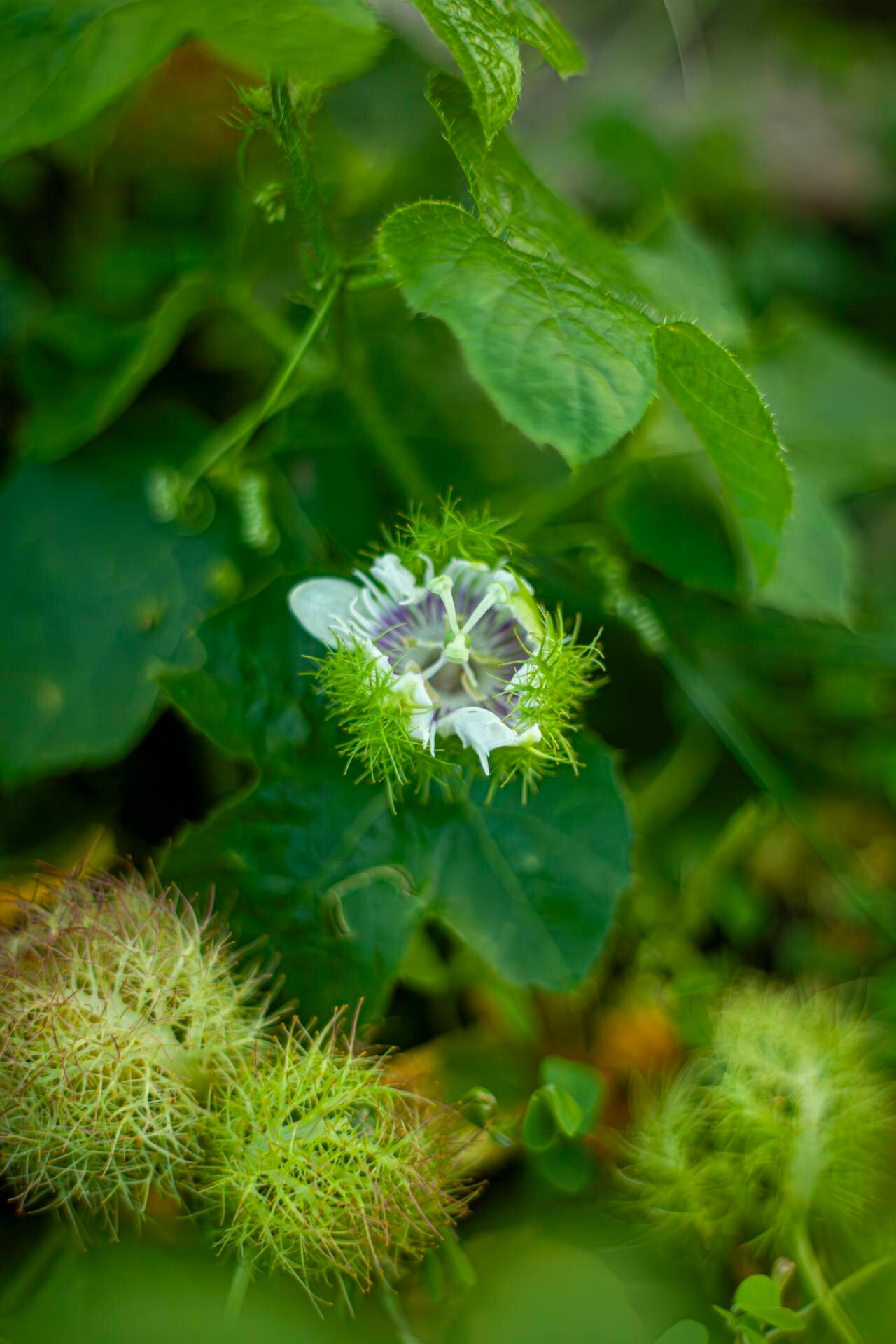
Hello fellow plant lovers! I’m so excited to chat with you today about a truly captivating vine: Passiflora foetida. You might know it by its common names, like Stinking Passionflower or Love-in-a-Mist. Don’t let that “stinking” moniker fool you completely – its real charm lies in its delicate, intricate flowers that unfurl in a mesmerizing dance of white and purple, followed by little orange fruits (though watch out, they aren’t very tasty for us humans!).
For me, propagating Passiflora foetida is one of those deeply satisfying gardening tasks. It’s a way to multiply that beauty, share it with friends, or simply fill more of your garden space with its unique appeal. I wouldn’t call it a completely novice-level plant to get started with, but with a little guidance, even beginners can find success. It just requires a touch of patience and attention to detail.
The Best Time to Start
When it comes to getting Passiflora foetida to root, spring is your golden ticket. This is when the plant is actively growing and has plenty of energy to put into developing new roots. You’re looking for actively growing stems that aren’t flowering or producing fruit, as these have the best chance of taking off. Think of it as catching the plant at its most vigorous!
Supplies You’ll Need
Before we get our hands dirty, let’s gather our tools. Having everything ready makes the process so much smoother.
- Sharp, clean pruning shears or secateurs: We want clean cuts to prevent disease.
- A good quality propagation mix: I find a blend of equal parts perlite and peat moss works wonderfully. It offers great drainage and a bit of moisture retention. You can also buy ready-made propagation mixes.
- Small pots or trays with drainage holes: Plenty of holes are key to preventing waterlogged roots.
- Rooting hormone (optional but recommended): This isn’t strictly essential for Passiflora, but it can give your cuttings a real boost and speed up the rooting process. I prefer a powder form.
- A small watering can or spray bottle: For gentle watering.
- Plastic bags or a propagation dome: To create a humid environment for your cuttings.
- Labels: Because trust me, you’ll forget what you planted where!
Propagation Methods
Let’s dive into the most common and effective ways to multiply your Passiflora foetida.
Stem Cuttings
This is my go-to method for Passiflora foetida, and it’s usually the most successful.
- Take your cuttings: On a healthy, non-flowering stem, make a clean cut just below a leaf node (that little bump where a leaf attaches to the stem). You want cuttings that are about 4-6 inches long. Remove the lower leaves, leaving just one or two at the very top.
- Prepare the cutting: If you’re using rooting hormone, dip the cut end of the stem into the powder, tapping off any excess.
- Plant your cuttings: Fill your small pots with the propagation mix. Make a hole in the center of the soil with your finger or a pencil.
- Insert the cutting: Gently push the prepared cutting into the hole, ensuring the leaf nodes from which you removed leaves are buried in the soil. You want at least one node underground to encourage root growth.
- Water gently: Water the soil thoroughly but without disturbing the cutting.
- Create humidity: Cover the pot with a plastic bag or place it under a propagation dome. Make sure the leaves do not touch the sides of the bag – this can lead to rot.
Water Propagation
While I tend to favor soil for Passiflora, water propagation can work, especially if you’re just experimenting or want to see the roots develop.
- Prepare your cuttings: Take cuttings as described above, but remove all the leaves except for one or two at the very tip. This prevents leaves from rotting in the water.
- Place in water: Put the cuttings into a clean glass or jar of lukewarm water. Make sure the leaf nodes are submerged, as this is where roots will emerge.
- Location, location, location: Place your jar in a bright spot, but out of direct sunlight.
- Change the water: Change the water every 2-3 days to keep it fresh and prevent bacterial growth. You’ll start to see tiny white root nubs appear in a few weeks.
- Potting up: Once the roots are about an inch long, it’s time to carefully transplant them into your propagation mix.
The “Secret Sauce” (Pro Tips)
Here are a couple of tricks I’ve learned over the years that really make a difference:
- Bottom Heat is Your Friend: Passiflora foetida loves a bit of warmth from below. Placing your pots on a heat mat designed for seedlings can significantly speed up root development. It mimics the cozy conditions of soil in the spring.
- Don’t Rush the Cut: When taking cuttings, make sure your pruning shears are super sharp and clean. A dull, dirty tool can crush the stem, making it harder to heal and root. Wipe them down with rubbing alcohol between cuts if you’re taking a lot of them.
- The Humidity Tent is Crucial: That plastic bag or dome isn’t just for show. Those delicate cuttings lose moisture through their leaves very quickly. Maintaining high humidity is absolutely vital to keep them from wilting and dying before roots have a chance to form.
Aftercare & Troubleshooting
Once you see little white roots peeking out of the drainage holes or notice your cutting looks a bit perkier and stronger, congratulations! You’re on your way.
- Transitioning: Gradually acclimate your rooted cuttings to normal air by removing the plastic bag or dome for longer periods each day.
- Potting Up: Once the roots are well-established and have filled their small pot, you can pot them up into larger containers using a good quality potting mix, and eventually move them to their permanent garden spot.
- Signs of Trouble: The most common issue is rot. If your cutting looks mushy or slimy, it’s likely rotted. This usually happens due to overwatering, poor drainage, or lack of air circulation. If you see rot, it’s best to discard the affected cutting and learn from what might have gone wrong. Yellowing leaves can sometimes indicate too much direct sun or not enough water, but with cuttings, it often just means they haven’t rooted yet.
A Encouraging Closing
Propagating Passiflora foetida is a delightful journey. There might be a few bumps along the way, and not every cutting will take, but that’s part of the learning process. Be patient with your little plants, give them the right conditions, and celebrate every tiny root that forms. Before you know it, you’ll have a whole troop of these beautiful vines to enjoy! Happy gardening!
Resource:
https://identify.plantnet.org/k-world-flora/species/Passiflora%20foetida%20L./data