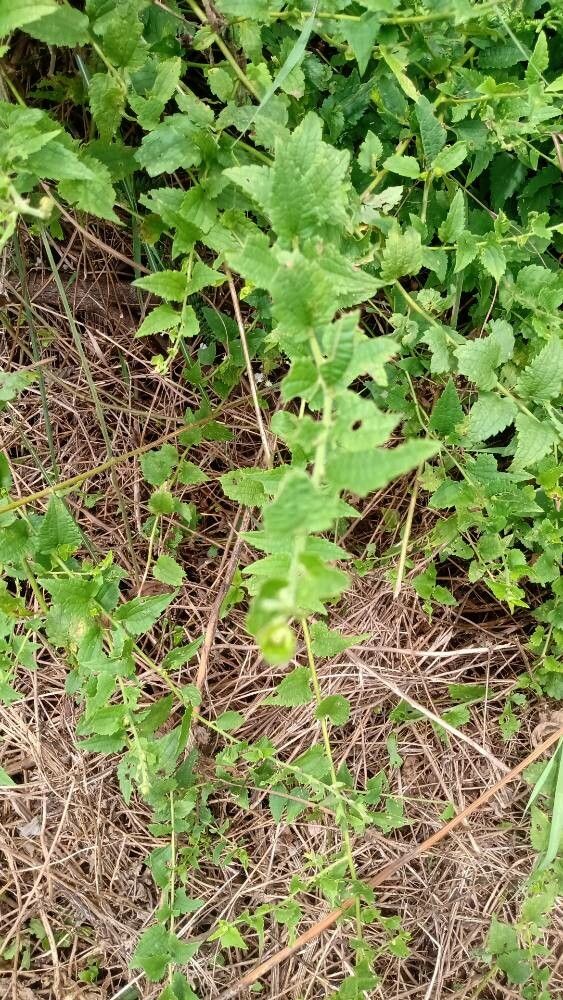
Hello fellow garden enthusiasts! Today, we’re diving into the wonderful world of propagating Baccharis anomala. If you’re looking for a resilient, charming shrub that brings a touch of wild beauty to your garden, this one’s for you. Its delicate, often fuzzy foliage and charming little blooms are a delight. And the best part? Growing more of these beauties from an existing plant is incredibly satisfying. Honestly, for most home gardeners, Baccharis anomala is a pretty forgiving plant to propagate. You’ll likely find success with a bit of patience and these simple steps.
The Best Time to Start
When it comes to getting the best results for propagating Baccharis anomala, timing is key. Late spring into early summer is your sweet spot. This is when the plant is actively growing, producing new, semi-hardy stems. These are the perfect candidates for cuttings because they’ve moved past the tender, brand-new growth stage but haven’t become woody and old. Waiting until then gives your cuttings the best chance to root.
Supplies You’ll Need
Before we get our hands dirty, let’s gather our tools. Having everything at the ready makes the process so much smoother.
- Sharp pruning shears or a clean knife: For taking clean, precise cuts from your parent plant.
- Rooting hormone (optional but recommended): A powdered or liquid hormone can give your cuttings a helpful boost.
- Small pots or seed trays: Clean containers with drainage holes are a must.
- Well-draining potting mix: I like to use a mix of equal parts perlite and peat moss, or a good quality seed-starting mix.
- Plastic bags or a propagation dome: To create a humid environment for your cuttings.
- Watering can with a fine rose: For gentle watering without disturbing tiny roots.
- Labels: To keep track of your different varieties or dates.
Propagation Methods
We’ll focus on the most reliable method for Baccharis anomala: stem cuttings. It’s straightforward and generally yields great results.
Stem Cuttings:
- Select your cuttings: Find a healthy, vigorous stem on your Baccharis anomala. Look for growth that’s about pencil thickness and has started to firm up, but isn’t woody yet. Aim for cuttings that are 4-6 inches long.
- Make the cut: Using your sharp shears, make a clean, angled cut just below a leaf node (where a leaf attaches to the stem). This is where hormones that encourage rooting are typically concentrated.
- Prepare the cutting: Carefully remove the lower leaves from the cutting, leaving only a few at the very top. This prevents them from rotting in the soil and reduces water loss.
- Apply rooting hormone (optional): If you’re using rooting hormone, dip the cut end of the stem into the powder or liquid, tapping off any excess.
- Plant your cuttings: Fill your pots or trays with your well-draining potting mix. Make a small hole in the center of the soil with your finger or a pencil. Insert the prepared cutting into the hole, ensuring the leaf nodes are buried in the soil. Gently firm the soil around the base of the cutting.
- Water gently: Water the soil thoroughly but gently, making sure it’s moist but not waterlogged.
- Create humidity: This is crucial! Cover the pots with a clear plastic bag (like a clean produce bag) or place them under a propagation dome. Make sure the bag doesn’t touch the leaves too much.
- Provide light: Place the pots in a bright spot with indirect light. Avoid direct sunlight, which can scorch the young cuttings.
The “Secret Sauce” (Pro Tips)
Over the years, I’ve picked up a few tricks that seem to make all the difference.
- Bottom heat is your friend: If you have a heat mat you use for seed starting, place your pots on it. This gentle warmth from below encourages root development, especially if your greenhouse or indoor space is a bit cooler. It’s like giving your cuttings a cozy little spa!
- Don’t drown your delights: While humidity is necessary, avoid letting the leaves sit in standing water. If you see condensation building up excessively inside your plastic bag, open it up for a few hours to let things air out. Too much moisture on the foliage can lead to fungal issues.
- Think like the plant: When you take your cuttings, imagine where and how this plant would naturally grow and root. Baccharis anomala likes good drainage, so mimicking that in your propagation setup is key.
Aftercare & Troubleshooting
Once your cuttings have been planted, the real waiting game begins. Be patient! It can take anywhere from 4 to 8 weeks, sometimes longer, for you to see visible signs of rooting. You’ll know they’re ready when you gently tug on a cutting and feel resistance, or when new growth starts to appear.
After rooting (when you feel that gentle tug of resistance or see new leaves):
- Gradually acclimate: Begin by removing the plastic bag for short periods each day, increasing the time until they are completely used to the ambient humidity.
- Careful watering: Continue to water them when the top inch of soil feels dry. Use a watering can with a fine rose to avoid disturbing any delicate new roots.
- Move to larger pots: Once they have a decent root system and are strong enough to handle, you can transplant them into slightly larger pots with your regular potting mix.
Troubleshooting:
The most common issue you’ll encounter is rot. If a cutting turns black and mushy, it’s usually a sign of too much moisture or not enough air circulation, combined with a potential fungal infection. Unfortunately, a rotted cutting is a goner. Don’t get discouraged, though! Just pitch it and try again, perhaps adjusting your watering or ventilation. Another sign of failure might be a cutting that simply wilts and never bounces back – this could be due to insufficient humidity or being planted too deeply.
A Encouraging Closing
Propagating plants is a rewarding journey. It’s a way to connect deeply with the plants you love and to share them with others. Be patient with your Baccharis anomala cuttings. It takes time for nature to work its magic. Enjoy the process of nurturing these little beginnings, and soon you’ll have a whole garden full of these charming shrubs. Happy propagating!
Resource:
https://identify.plantnet.org/k-world-flora/species/Baccharis%20anomala%20DC./data