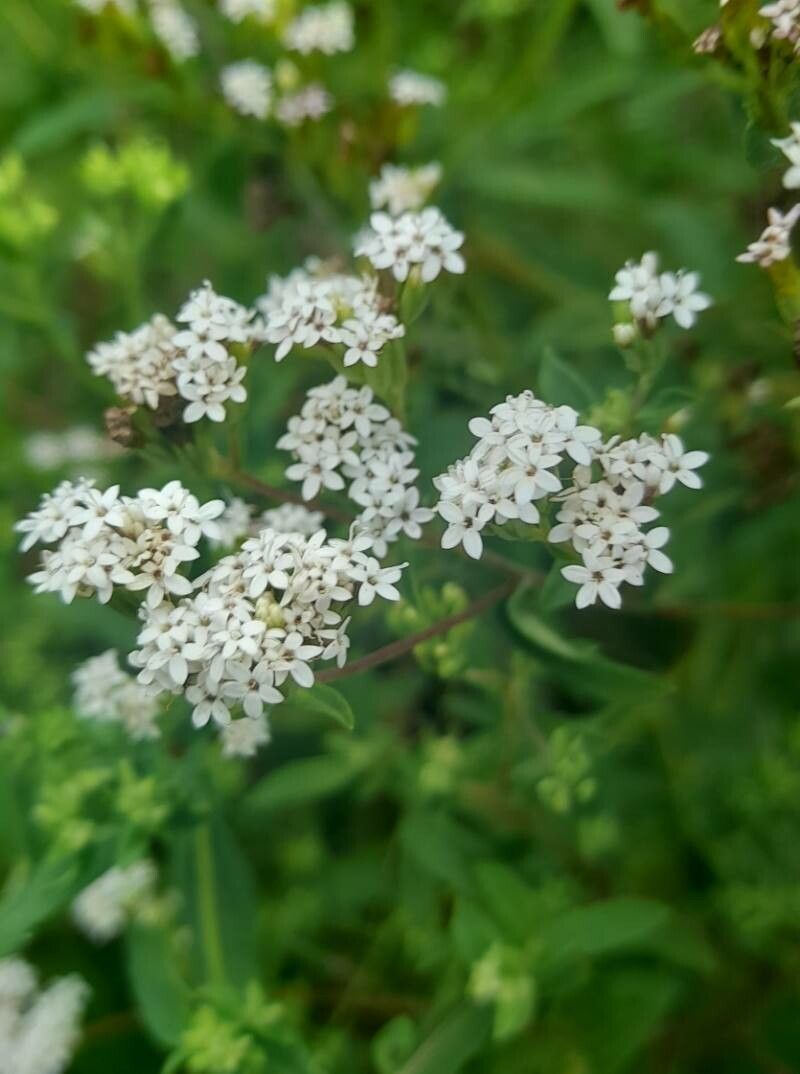
Hello fellow garden enthusiasts! Let’s talk about a plant that’s become a real treasure in my edible garden: Stevia jujuyensis. If you’re looking for a natural, calorie-free sweetener straight from your own backyard, this is it. Its delicate leaves hold a remarkable sweetness, and the satisfaction of nurturing a new plant from a little piece of another is just wonderful. For those of you just starting out with propagation, I’ll be honest, Stevia jujuyensis can be a tad fussy, but with a little patience and these tips, you’ll be well on your way.
The Best Time to Start
For the highest success rate, I always recommend starting your cuttings in late spring or early summer. This is when the plant is actively growing and has plenty of energy to put into developing new roots. You’re looking for stems that are neither brand new, soft growth nor woody and old. Think of a stem that’s firm but still flexible – a bit like a pencil eraser.
Supplies You’ll Need
Gathering your supplies beforehand makes the whole process so much smoother. Here’s what you’ll want to have on hand:
- Sharp pruning shears or a clean knife: For taking precise cuts.
- Rooting hormone powder or gel: This is a good idea for Stevia, as it can sometimes be slow to root.
- Small pots or seed trays: About 4-inch pots are usually perfect.
- A good, well-draining potting mix: I like a blend of peat moss or coco coir, perlite, and a little bit of compost. This ensures the roots don’t sit in soggy soil.
- A clear plastic bag or a propagation dome: To create a humid environment.
- Watering can with a fine rose: For gentle watering.
- Optional: A heat mat: This can really speed up rooting.
Propagation Methods
The most reliable way I’ve found to propagate Stevia jujuyensis is through stem cuttings. Let’s walk through it.
- Take Your Cuttings: In the morning, when the plant is nicely hydrated, select healthy stems. Make a clean cut just below a leaf node (that little bump where a leaf attaches to the stem). Aim for cuttings that are roughly 4-6 inches long.
- Prepare the Cuttings: Gently remove the lower leaves, leaving just a couple at the very top. This prevents them from rotting when they’re in the soil. If you’re using rooting hormone, dip the cut end into the powder or gel following the product’s instructions.
- Plant Your Cuttings: Fill your small pots with your prepared potting mix, moisten it thoroughly, and then give it a good drain. Using a pencil or your finger, make a small hole in the center of each pot. Carefully insert the cut end of your stevia cutting into the hole, making sure at least one leaf node is buried in the soil. Gently firm the soil around the stem.
- Create Humidity: Water the soil gently again. Now, cover the pot with a clear plastic bag or propagation dome. This is crucial for keeping the humidity high, which helps the cuttings prevent wilting. If you’re using a bag, you might need a few small sticks to prop it up so it doesn’t touch the leaves.
The “Secret Sauce” (Pro Tips)
Here are a few things I’ve learned over the years that make a real difference with Stevia:
- Bottom Heat is Your Friend: If you have a heat mat, place your pots on it. Stevia absolutely loves a little warmth from below, and it significantly speeds up root development. You’ll see roots forming much faster.
- Don’t Drown Them: While humidity is vital, you don’t want the soil to be waterlogged. Water when the top inch of soil feels dry, and always ensure good drainage. Overwatering is the quickest way to rot your cuttings before they even have a chance to root.
- Air Them Out: Even with a propagation dome, it’s a good idea to remove the cover for a few minutes each day to allow for some air circulation. This helps prevent fungal issues.
Aftercare & Troubleshooting
Once your cuttings have been planted, place them in a bright spot, but out of direct, scorching sunlight. Be patient! It can take anywhere from 3 to 6 weeks for roots to develop. You can gently tug on a cutting – if you feel resistance, you’ve got roots.
The first sign of success will be seeing new leaf growth from the top of the cutting. Once you see this, you can gradually start to acclimatize the new plant by removing the humidity cover for longer periods each day over a week or so. Keep watering as needed, ensuring the soil stays consistently moist but not soggy.
If your cuttings turn yellow, droop significantly, and seem to be losing their leaves, it’s often a sign of too much moisture or not enough humidity. If you see blackening at the base of the stem, that’s rot, usually caused by overwatering and poor drainage. Don’t be discouraged if some don’t make it; it happens to all of us! Just try again.
A Little Bit of Patience Goes a Long Way
Growing new plants is a journey, and Stevia jujuyensis definitely teaches you the value of patience. Don’t give up if your first attempt isn’t a resounding success. Observe your cuttings, make small adjustments, and most importantly, enjoy the process of nurturing life. Happy propagating!
Resource:
https://identify.plantnet.org/k-world-flora/species/Stevia%20jujuyensis%20Cabrera/data