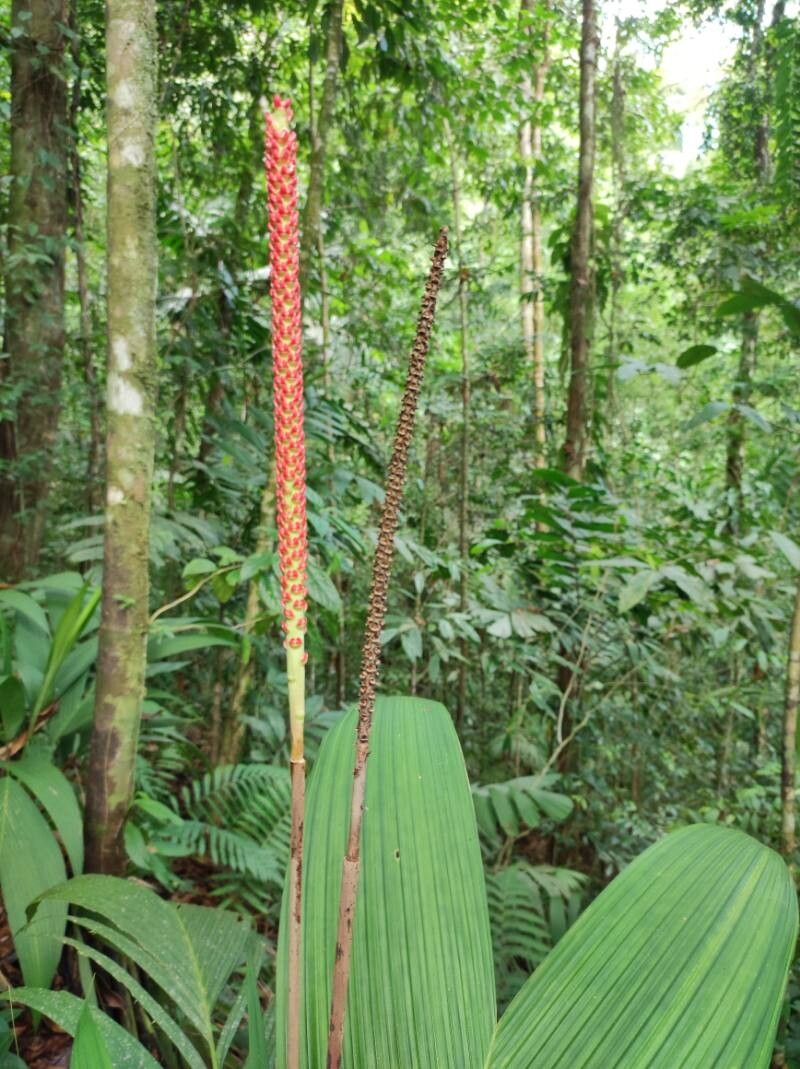
Oh, the majesty of Calyptrogyne ghiesbreghtiana! If you’ve ever seen this palm gracing an interior space or gracing a lush, tropical garden corner, you know its charm. With its elegant, arching fronds and delicate appearance, it’s truly a showstopper. And the joy of bringing more of these beauties into your life? Utterly rewarding! Now, before you get too excited, I’ll be honest: Calyptrogyne ghiesbreghtiana isn’t the absolute easiest plant to propagate and can be a bit finicky for absolute beginners. But with a little patience and the right approach, you can absolutely succeed.
The Best Time to Start
For a better chance at success with your Calyptrogyne ghiesbreghtiana, I find that spring and early summer are your best friends. This is when the plant is naturally gearing up for active growth. You’ll want to propagate from a healthy, mature plant that’s showing good vigor. Trying to do it when the plant is stressed or hasn’t been getting ideal conditions will just make things harder.
Supplies You’ll Need
Gathering your tools before you begin is always smart. Here’s what I typically have on hand:
- Sharp, clean pruning shears or a sharp knife: For making clean cuts.
- Potting mix: A well-draining, airy mix is crucial. I often use a blend of perlite, orchid bark, and coco coir, or a good quality peat-free potting mix amended with extra perlite.
- Small pots or propagation trays: With drainage holes, of course.
- Rooting hormone (optional but recommended): A powder or gel can give cuttings a helpful boost.
- Plastic bags or a propagation dome: To create a humid environment.
- Watering can with a fine rose: For gentle watering.
- Spray bottle: For misting.
- Small pebbles or grit: For drainage in the bottom of pots.
Propagation Methods
Calyptrogyne ghiesbreghtiana is most commonly propagated through division or by taking offsets. While stem cuttings are possible for some palms, it’s less reliable and more challenging with this particular species.
Division
This is my preferred method, as it’s generally the most successful for this palm.
- Gently remove the plant from its pot. You might need to ease it out by running a knife around the edge of the pot if it’s really snug.
- Inspect the root ball. Look for naturally separated sections or “pups” that are growing from the base of the main plant and have their own roots. These are your targets.
- Carefully tease apart the root systems. This is the delicate part. If the roots are very intertwined, you might need to use your pruning shears or knife to cleanly separate a section. The goal is to ensure each division has a good amount of its own roots and at least one or two healthy stems or fronds.
- If needed, use a clean tool to make a cut through any dense root mass to separate a division.
- Pot up each division. Use your well-draining mix. Place the division in the pot so the top of the roots is about an inch below the rim.
- Water thoroughly after potting.
Taking Offsets (Pups)
Sometimes, Calyptrogyne ghiesbreghtiana will produce smaller, baby plants, called offsets or pups, at its base.
- Gently excavate around the base of the offset. You want to see if it has its own roots.
- If it has roots, carefully sever the connection to the mother plant with a clean, sharp knife or shears.
- Pot up the offset in its own small pot with well-draining mix.
- Water well.
The “Secret Sauce” (Insider Tips)
Here are a few things I’ve learned over the years that make a real difference:
- Don’t overwater, EVER! This is probably the most common killer of young palms. They need consistently moist soil, not soggy. Use your finger to check moisture levels about an inch down before watering again.
- Humidity is your friend. These palms are tropical babies and love a steamy environment, especially when they’re trying to root. Once potted, I’ll often place the pot inside a clear plastic bag (loosely tied) or use a propagation dome. This creates a mini-greenhouse. Just be sure to open it daily for a few minutes to allow for air circulation and prevent fungal issues.
- Bottom heat helps. While not strictly necessary, placing your newly potted divisions or offsets on a heat mat (specifically designed for plants) can significantly speed up root development. It mimics the warmth of tropical soil and encourages those roots to get going.
Aftercare & Troubleshooting
Once your Calyptrogyne ghiesbreghtiana is potted, it needs some TLC.
- Light: Keep them in bright, indirect light. Direct sun, especially through a window, can scorch delicate leaves.
- Watering: As I mentioned, keep the soil consistently moist but not waterlogged. Check the soil moisture regularly.
- Fertilizing: Wait until you see new growth before you even think about fertilizing. Then, use a diluted, balanced liquid fertilizer every 4-6 weeks during the growing season.
- Signs of Trouble: The most common issue is rot, signaled by yellowing leaves that turn mushy and brown, often starting from the base. This is almost always due to overwatering and poor drainage. If you suspect rot, try to remove the affected parts and let the soil dry out more thoroughly. Another sign of stress is wilting or browning leaf tips, which can be caused by too little humidity, inconsistent watering, or sometimes transplant shock.
A Little Patience Goes a Long Way
Propagating Calyptrogyne ghiesbreghtiana is a journey. There might be setbacks, and it can take time for roots to establish. Don’t get discouraged if you don’t see immediate results. Keep providing good conditions, be observant, and enjoy the process of nurturing these new plants. Soon enough, you’ll have more of these stunning palms to admire! Happy growing!
Resource: