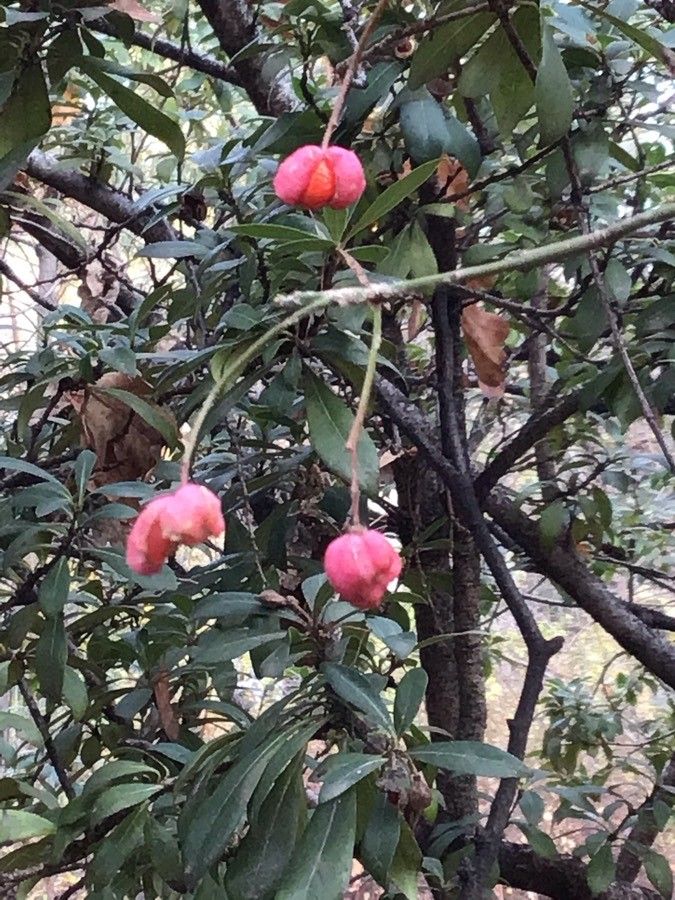
Hello, fellow garden enthusiasts!
Today, we’re diving into the wonderful world of propagating Euonymus oxyphyllus. You know, those gorgeous shrubs that light up the garden with their vibrant fall colors and, in some varieties, delightful winged stems? They’re truly a gem, and the satisfaction of growing your own from cuttings is immense. Good news for you: Euonymus oxyphyllus is generally a pretty forgiving plant to propagate, making it a great choice for those just starting their propagation journey.
The Best Time to Start
My favorite time to get my hands dirty with Euonymus oxyphyllus is during the late spring to early summer. This is when the plant is actively growing, and you’ll be taking softwood cuttings. These are the new, flexible shoots that haven’t yet hardened off, and they root most readily. You can also try semi-hardwood cuttings in mid-to-late summer, which are a bit more mature but still have some flexibility.
Supplies You’ll Need
Before we get snipping, let’s gather our tools:
- Sharp pruning shears or a clean knife: For making clean cuts.
- Rooting hormone powder or gel: This is a lifesaver for encouraging root development.
- Small pots or trays: With drainage holes, of course!
- A well-draining potting mix: I like a blend of equal parts peat moss or coco coir, perlite, and a little sand. You can also buy a specific seed starting or propagation mix.
- A plastic bag or propagation dome: To create humidity.
- Water: For misting.
- Labels: You’ll thank me later for these!
Propagation Methods: Stem Cuttings
This is my go-to method for Euonymus oxyphyllus. It’s straightforward and really effective.
- Take Your Cuttings: On a mild day, select healthy, vigorous stems. Look for shoots that are about 4-6 inches long and have started to lignify (toughen up) slightly, but are still bendy. Using your sharp shears, make a clean cut just below a leaf node (where a leaf attaches to the stem). Remove any leaves from the bottom half of the cutting, leaving just a couple at the top. If the leaves are large, I like to trim them in half to reduce water loss.
- Apply Rooting Hormone: Dip the cut end of the stem into water, then into your rooting hormone powder or gel. Tap off any excess. This step is optional, but it really speeds things up and increases your success rate.
- Plant Your Cuttings: Fill your pots with your prepared potting mix, making sure it’s moist but not waterlogged. Use your finger or a pencil to create a small hole in the center of the pot. Gently insert the cutting, ensuring the rooting hormone-coated end is in contact with the soil. Firm the soil gently around the base of the cutting.
- Create a Humid Environment: Water the soil lightly. Then, cover the pot with a clear plastic bag or place it inside a propagation dome. This traps moisture and keeps the humidity high, which is crucial for cuttings. If using a bag, you can thread a couple of twigs into the soil to keep the bag from touching the leaves.
- Find a Good Spot: Place the pots in a bright location out of direct sunlight. A warm spot is also beneficial.
The “Secret Sauce” (Pro Tips)
Here are a couple of tricks I’ve picked up over the years that make a big difference:
- Bottom Heat is Your Friend: If you have it, placing your pots on a seedling heat mat can significantly speed up root formation. It provides consistent warmth from below, encouraging those roots to get growing.
- Don’t Drench, Mist: Once your cuttings are planted and covered, resist the urge to water them heavily. Instead, lightly mist the leaves and the inside of the plastic bag with water every few days. You want the soil to stay consistently moist, not soggy, and you want to keep that humidity up. Overwatering at this stage can lead to rot.
- Cleanliness is Key: Always use sterilized tools and pots. This prevents any nasty diseases from taking hold and attacking your precious cuttings.
Aftercare & Troubleshooting
Once your cuttings have been in their humid little homes for a few weeks, you can start to check for success. You’ll know they’re rooting when you see new growth emerging from the top or gently tug on a cutting and feel resistance. This is your sign that roots have developed!
Once roots are established (usually after 4-8 weeks), you can carefully remove the plastic bag or dome. Gradually acclimate your new plants to normal room humidity. Continue to water them when the top inch of soil feels dry. As they grow, you can transplant them into slightly larger pots.
The most common sign of failure is wilting and browning, which often points to rot due to overwatering or poor drainage. If you see this, sadly, the cutting has likely not made it. Another sign is if the stems turn mushy and black. Don’t despair if some don’t make it; that’s a normal part of the process! Just toss the failed ones and try again.
Happy Propagating!
Propagating Euonymus oxyphyllus is a truly rewarding experience. It connects you deeper with your garden and provides you with new plants to enjoy and share. Be patient, keep those cuttings moist and humid, and have fun with it. Before you know it, you’ll have a whole little shrub nursery ready to go! Happy gardening!
Resource:
https://identify.plantnet.org/k-world-flora/species/Euonymus%20oxyphyllus%20Miq./data