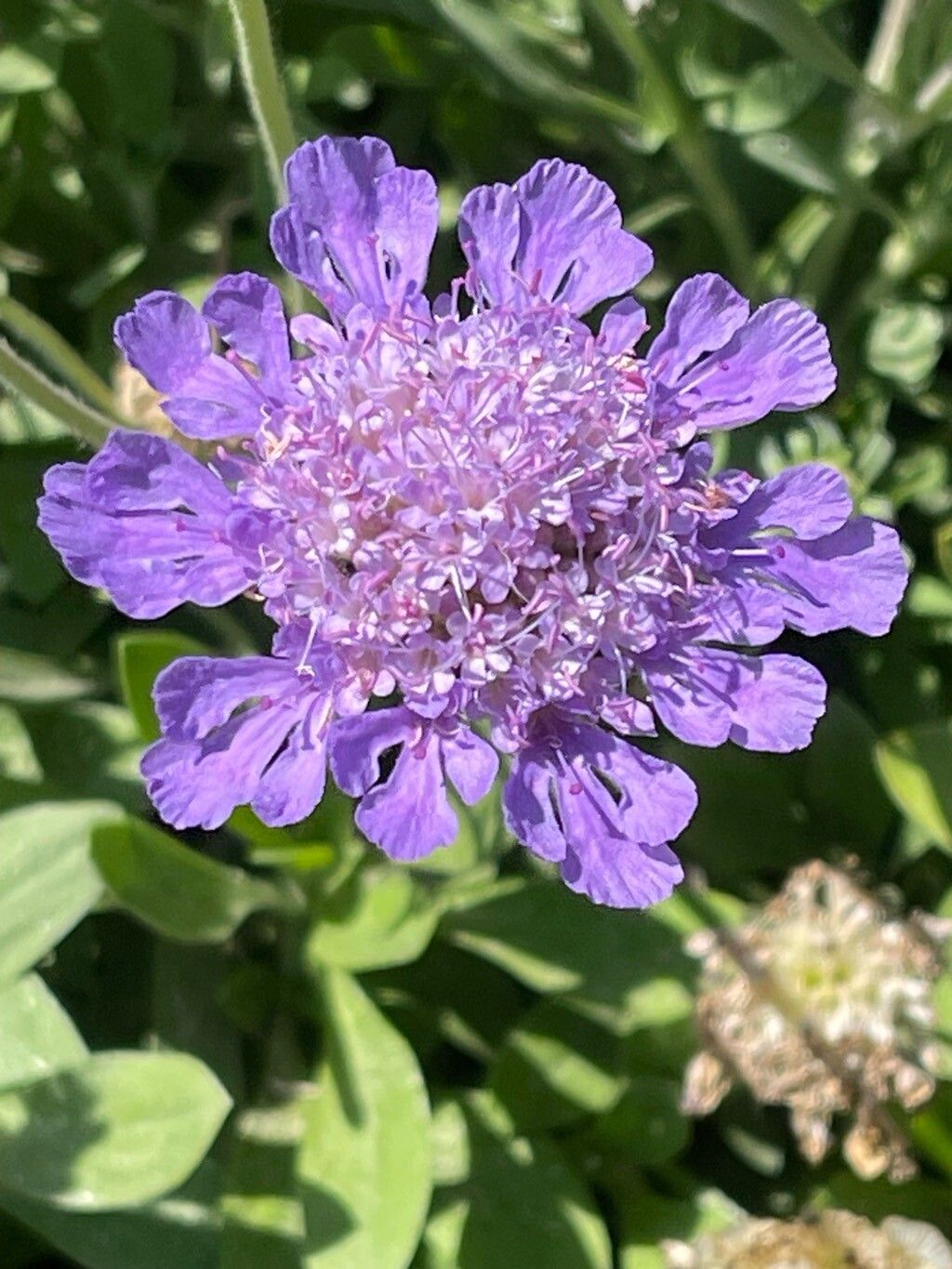
Oh, hello there! Grab a mug of your favorite brew, and let’s chat about a truly delightful plant: Lomelosia cretica. If you haven’t met her yet, imagine delicate, pincushion-like flowers in soft shades of creamy white, often with a hint of yellow or blush pink. She brings this wonderfully airy, almost ethereal quality to the garden, performing beautifully in sunny spots and rockeries. And the best part? She’s not a finicky diva at all. In fact, propagating Lomelosia cretica is a wonderfully rewarding endeavor, and I’ve found it to be quite approachable – even for those just getting their green thumb truly dusted.
The Best Time to Start
For the highest success rate with Lomelosia cretica, I find late spring to early summer is your sweet spot. This is when the plant is actively growing, bursting with energy. You want to take cuttings from new, but not overly soft, growth. Think of it as pinching off a healthy shoot that’s just finished its initial enthusiastic burst. Waiting until the plant has settled into its strong growth phase really makes a difference.
Supplies You’ll Need
You don’t need a whole arsenal of fancy gadgets. Here’s what I typically gather:
- Sharp pruning shears or a clean, sharp knife: Sterilize them with rubbing alcohol to prevent disease.
- Well-draining potting mix: I usually go for a 50/50 blend of seed starting mix and perlite or coarse sand. You want good aeration.
- Small pots or trays: Anything that can hold your cuttings securely.
- Rooting hormone (optional but recommended): A little bit of this can give your cuttings a helpful boost.
- Plastic bags or a humidity dome: To keep those cuttings moist while they’re trying to establish themselves.
- Watering can with a fine rose: For gentle watering.
Propagation Methods
My go-to for Lomelosia cretica is stem cuttings. It’s straightforward and very effective.
- Take your cuttings: On a bright, but not scorching hot, morning, select healthy stems. You’re looking for pieces about 4-6 inches long. Make a clean cut just below a leaf node. The leaf node is where roots love to emerge from.
- Prepare the cuttings: Gently remove the lower leaves from the bottom half of your cutting. You want a clean stem to insert into the soil. If you’re using rooting hormone, dip the cut end into it now.
- Planting up: Fill your pots or trays with your prepared potting mix. Make a small hole with your finger or a pencil. Carefully insert the stem of your cutting into the hole, ensuring that at least one leaf node is buried in the soil. Gently firm the soil around the base.
- Water and cover: Water the cuttings gently to settle the soil. Then, cover the pots or trays loosely with a plastic bag or pop on a humidity dome. This creates a mini-greenhouse effect, keeping the humidity high, which is crucial for cuttings to root.
The “Secret Sauce” (Pro Tips)
Here are a couple of things I’ve learned over the years that seem to make a real difference:
- Don’t let the leaves touch the water in a water propagation scenario (if you choose that route, though I prefer soil for Lomelosia): If you try rooting in water, make sure the removed leaves aren’t submerged. They’ll just rot and can take the whole cutting down with them. For soil cuttings, ensure no leaves are buried in the soil when planting; those lower ones should be stripped off.
- Bottom heat is your friend: If you have a heated propagator or even can place your pots on a shelf above a radiator (carefully!), the gentle bottom warmth really encourages root development. It mimics the soil temperature later in the season and gives those roots a kickstart.
Aftercare & Troubleshooting
Once your cuttings are planted and covered, place them in a bright spot, but out of direct, harsh sunlight. Keep the soil consistently moist but not soggy. What you’re looking for is for new growth to emerge. This is a sign that roots are forming! It can take anywhere from 4-8 weeks, so be patient.
The most common issue you might encounter is rot. If you see your cutting turning mushy and black, it’s usually a sign of too much moisture or poor air circulation. If this happens, you might need to start again with fresh cuttings in fresh, drier mix and ensure good drainage. If the leaves start to look wilted but not mushy, it might just need a bit more humidity or a gentler watering.
A Little Patience Goes a Long Way
So there you have it! Propagating Lomelosia cretica is a charming way to multiply your garden beauty. Don’t be discouraged if your first attempt isn’t perfect. Gardening is a journey of learning and observation. Enjoy the process, celebrate each tiny success, and soon you’ll have a whole flurry of these lovely plants to share. Happy growing!
Resource: